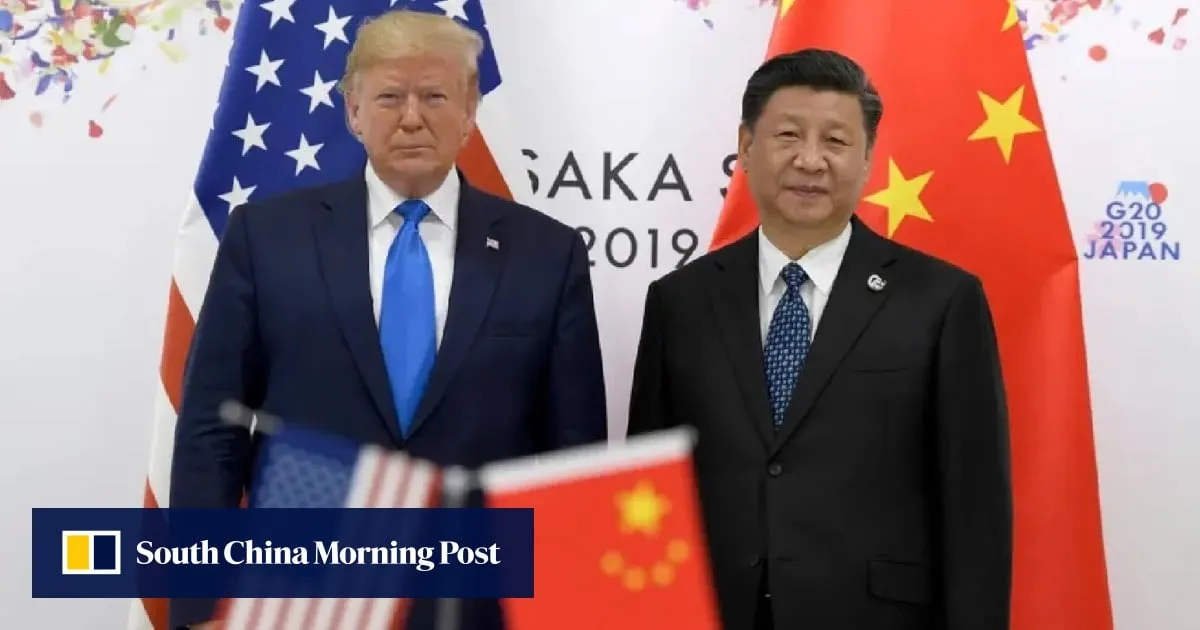
As US President Donald Trump prepares for a high-stakes summit with Chinese leader Xi Jinping in Beijing from March 31 to April 2, analysts say recent US policy reversals, including a Supreme Court of the United States ruling striking down broad tariffs, have shifted trade tensions into a phase of cautious stability rather than escalation.The legal setback has strengthened China’s negotiating position, bolstered by lowered effective tariffs, its leverage over critical minerals like rare earths, and a more emboldened approach to countermeasures.With both sides expressing long-term confidence in their economic models and the US pivoting towards maintaining stability, including reliable shipments of key materials, the summit is widely expected to yield tame outcomes focused on extending a fragile truce rather than major concessions.Sara Schuman, former senior trade representative for China at the Office of the US Trade Representative under Presidents Biden and Trump, pointed to the tariff levelling as a core issue.China’s effective rate has fallen to around 15 per cent from about 20 per cent following last year’s Busan meeting, putting it on par with other partners.08:58What are rare earths, and why is China’s dominance facing global pushbackWhat are rare earths, and why is China’s dominance facing global pushback“Now basically China’s on a more level playing field with other trading partners. That’s going to create concern among the administration, so I would not be surprised to see if they try to find a way to get China back up to a higher level so that it differentiates from some of the other major trading partners,” Schuman said at the annual Washington International Trade Association conference on Monday.
SRCSouth China Morning Post
LANGEN
LEANCenter-Right
WORDS268
ENT9
MON · 2026-02-23 · 22:49 GMTBRIEF NSR-2026-0223-18652
NSR-2026-0223-18652News Report·EN·Diplomatic
US tariff ruling points to steadier US–China ties ahead of April summit: analysts
Ahead of the US-China summit in Beijing from March 31 to April 2, analysts suggest recent US policy shifts, including a Supreme Court ruling against broad tariffs, indicate a move towards trade stability. This legal setback, combined with China's leverage over resources like rare earths and lowered effective tariffs, strengthens China's negotiating position.
Khushboo Razdan,Xinmei ShenSouth China Morning PostFiled 2026-02-23 · 22:49 GMTLean · Center-RightRead · 2 min
South China Morning PostFIG 01
Reading time
2min
Word count
268words
Sources cited
1cited
Entities identified
9entities
Quality score
75%
§ 01
Briefing Summary
AI-generatedNEWSAR · AI
Ahead of the US-China summit in Beijing from March 31 to April 2, analysts suggest recent US policy shifts, including a Supreme Court ruling against broad tariffs, indicate a move towards trade stability. This legal setback, combined with China's leverage over resources like rare earths and lowered effective tariffs, strengthens China's negotiating position. China's effective tariff rate has fallen to around 15%, leveling the playing field with other US trading partners. Experts anticipate the summit will focus on maintaining the existing truce rather than securing major concessions, as both countries express confidence in their economic models and the US prioritizes stability in key material shipments. The US administration may seek ways to increase China's tariff level to differentiate it from other major trading partners.
Confidence 0.90Sources 1Claims 5Entities 9
§ 02
Article analysis
Model · rule-basedFraming
Diplomatic
Economic Impact
Tone
Measured
AI-assessed
CalmNeutralAlarmist
Factuality
0.70 / 1.00
Factual
LowHigh
Sources cited
1
Limited
FewMany
§ 03
Key claims
5 extracted01
The US and China are expected to hold a high-stakes summit in Beijing from March 31 to April 2.
factualArticle
Confidence
1.00
02
A US Supreme Court ruling struck down broad tariffs.
factualArticle
Confidence
1.00
03
China's effective tariff rate has fallen to around 15 per cent from about 20 per cent following last year’s Busan meeting.
statisticSara Schuman
Confidence
0.90
04
China’s on a more level playing field with other trading partners.
quoteSara Schuman
Confidence
0.80
05
The summit is widely expected to yield tame outcomes focused on extending a fragile truce rather than major concessions.
predictionArticle
Confidence
0.70
§ 04
Full report
2 min read · 268 words§ 05
Entities
9 identifiedKey playerOppositionContextPositiveNeutralNegative
People3
Organizations2