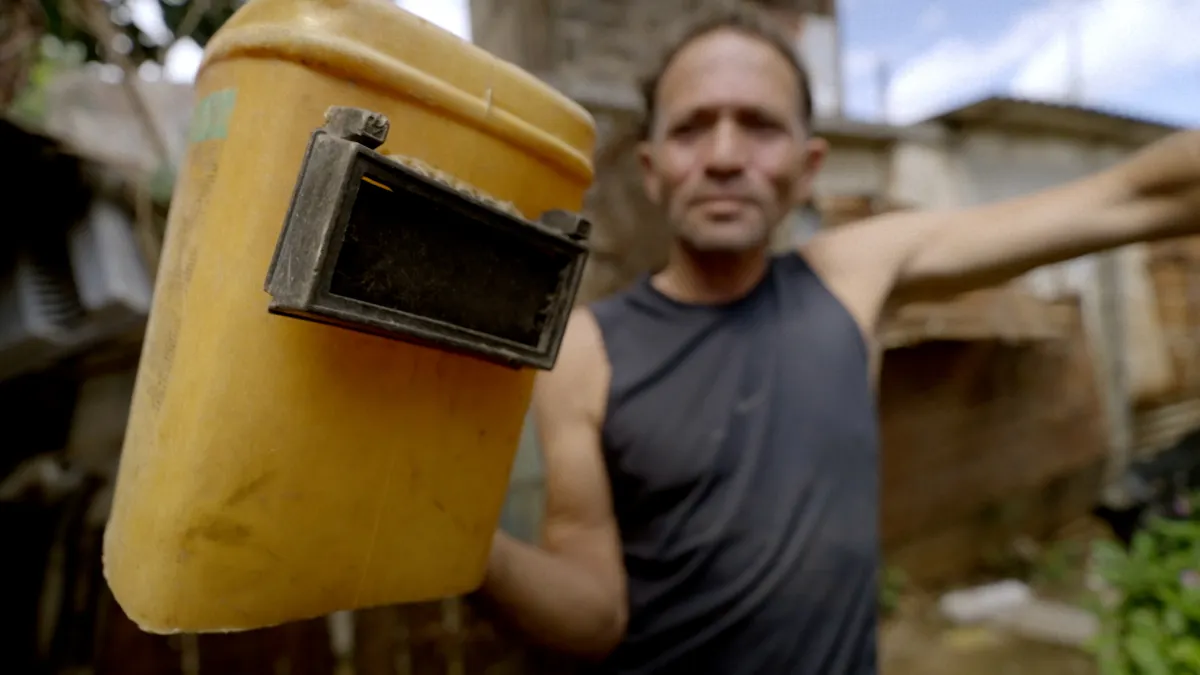
Al Jazeera WorldIn US-blockaded Cuba, ingenious mechanics and inventors revive old machines in order to survive during a time of scarcity.When the Soviet Union collapsed in 1991, Cuba was plunged into crisis. Fuel, food and spare parts vanished almost overnight. This character-led documentary shows how common Cubans refused to give up – and instead built a new culture of radical repair. From Havana’s Malecon to small-town back yards, it follows mechanics, street vendors and a teacher-turned-inventor who live by one rule: “invent and resolve”.A pristine US Plymouth Fury convertible of the 1950s hides a Soviet engine, Japanese gearbox and handmade parts; washing machines become coconut graters, solar dryers and tools for urban farms. Cuban historians and designer Ernesto Oroza reveal the philosophy behind this “technical disobedience”, treating every object as raw material to hack and extend. Far from nostalgia, the film offers a stark snapshot of a future in which resources are scarce and the power to repair may be our most important tool.Published On 25 Feb 2026
SRCAl Jazeera
LANGEN
LEANCenter
WORDS168
ENT5
WED · 2026-02-25 · 19:00 GMTBRIEF NSR-2026-0225-19257
NSR-2026-0225-19257News Report·EN·Technology
Cuba: Technological Disobedience
In US-blockaded Cuba, ingenious mechanics and inventors revive old machines to survive during a time of scarcity.
Al JazeeraFiled 2026-02-25 · 19:00 GMTLean · CenterRead · 1 min
Al JazeeraFIG 01
Reading time
1min
Word count
168words
Sources cited
1cited
Entities identified
5entities
Quality score
50%
§ 02
Article analysis
Model · rule-basedFraming
Technology
Economic Impact
Tone
Measured
AI-assessed
CalmNeutralAlarmist
Factuality
0.70 / 1.00
Factual
LowHigh
Sources cited
1
Limited
FewMany
§ 03
Key claims
5 extracted01
Cuban historians and designer Ernesto Oroza reveal the philosophy behind this “technical disobedience”.
factual
Confidence
1.00
02
Fuel, food and spare parts vanished almost overnight in Cuba after the Soviet Union collapsed.
factual
Confidence
1.00
03
Cuba was plunged into crisis when the Soviet Union collapsed in 1991.
factual
Confidence
1.00
04
Common Cubans built a new culture of radical repair after the collapse of the Soviet Union.
factual
Confidence
0.90
05
The film offers a stark snapshot of a future in which resources are scarce.
prediction
Confidence
0.70
§ 04
Full report
1 min read · 168 words§ 05
Entities
5 identifiedKey playerOppositionContextPositiveNeutralNegative
Organizations1