Elon Musk has said the aggressive federal job-cutting program he headed early in Donald Trump’s second term, known as the “department of government efficiency” (Doge), was only “a little bit successful” and he would not lead the project again.Musk said he wouldn’t want to repeat the exercise, talking on the podcast hosted by Katie Miller, a rightwing personality with a rising profile who was a Doge adviser and who is married to Stephen Miller, Donald Trump’s hardline anti-immigration deputy chief of staff.Asked whether Doge had achieved what he’d hoped, Musk said: “We were a little bit successful. We were somewhat successful.”Doge created chaos and distress in the government machine in Washington DC, and by May more than 200,000 federal workers had been laid off and roughly 75,000 had accepted buyouts as a result of purges by Musk’s external team of often-young zealots.The group said it had saved billions of dollars in public expenditure, but it was impossible for experts to authenticate these claims because of the lack of public accounting. It was estimated to have saved far less public money than Musk and Trump boasted it would. Musk eventually stepped back from Doge and later the team appeared quietly to have been wound down.Musk, the CEO of electric vehicle company Tesla, who also controls social media platform X and runs aerospace company SpaceX, said to Miller that he would “have been better off running his companies” than Doge.In a series of circumspect responses to Miller’s questions, the Tesla founder pondered the outcome if he had not taken on the Doge role or expressed as much political rhetoric.Musk was widely criticized by voices on left for taking a wrecking-ball to government institutions as part of the Trump agenda to allow for greater bureaucratic efficiency, working off a script provided by the Heritage Foundation’s controversial Project 2025. He indicated the Doge taskforce was ideologically opposed to liberal initiatives such as refugee services and transgender rights.However on Tuesday’s podcast he told Miller: “I think instead of doing Doge, I would have basically worked on my companies. And they wouldn’t have been burning the cars,” Musk said, referring to outbreaks of vandalism after Musk took on the role.After an incident in Oregon in March when shots were fired at a Tesla dealership, police said they were aware that dealerships had been “targeted across Oregon and the nation for political reasons”.Tesla’s shares lost close to half their value between January, when Doge was initiated, and March, but have since recovered.The billionaire’s SpaceX company is expected to raise more than $25bn through an initial public offering next year, a move that could boost the rocket-maker’s valuation to over $1tn.During the podcast, Musk said was unbowed by his time as a special government employee, despite the falling out and online flame-war with Trump after he exited the role in late May. “I wouldn’t say I was super illusioned to begin with,” he said.Last month, Doge was formally disbanded with eight months left to its mandate.In February, Musk held a chainsaw aloft at a conservative conference to symbolize efforts to cut billions from the $7tn federal budget.Musk told Miller: “We stopped a lot of funding that really just made no sense, that was just entirely wasteful.”But asked if he would go back and do it again, however, he said: “No, I don’t think so. Knowing what I know now.”
SRCThe Guardian - World News
LANGEN
LeanCenter-Left
WORDS561
ENT5
WED · 2025-12-10 · 16:12 GMTBRIEF NSR-2025-1210-1944
NSR-2025-1210-1944News Report·EN·Political Strategy
Musk calls Doge only ‘somewhat successful’ and says he would not do it again
Elon Musk stated that the "department of government efficiency" (Doge), a federal job-cutting program he led during Donald Trump's presidency, was only "somewhat successful" and he wouldn't repeat the experience. Doge resulted in over 200,000 federal worker layoffs and 75,000 buyouts, with claims of billions saved that were difficult to verify.
Edward HelmoreThe Guardian - World NewsFiled 2025-12-10 · 16:12 GMTLean · Center-LeftRead · 3 min
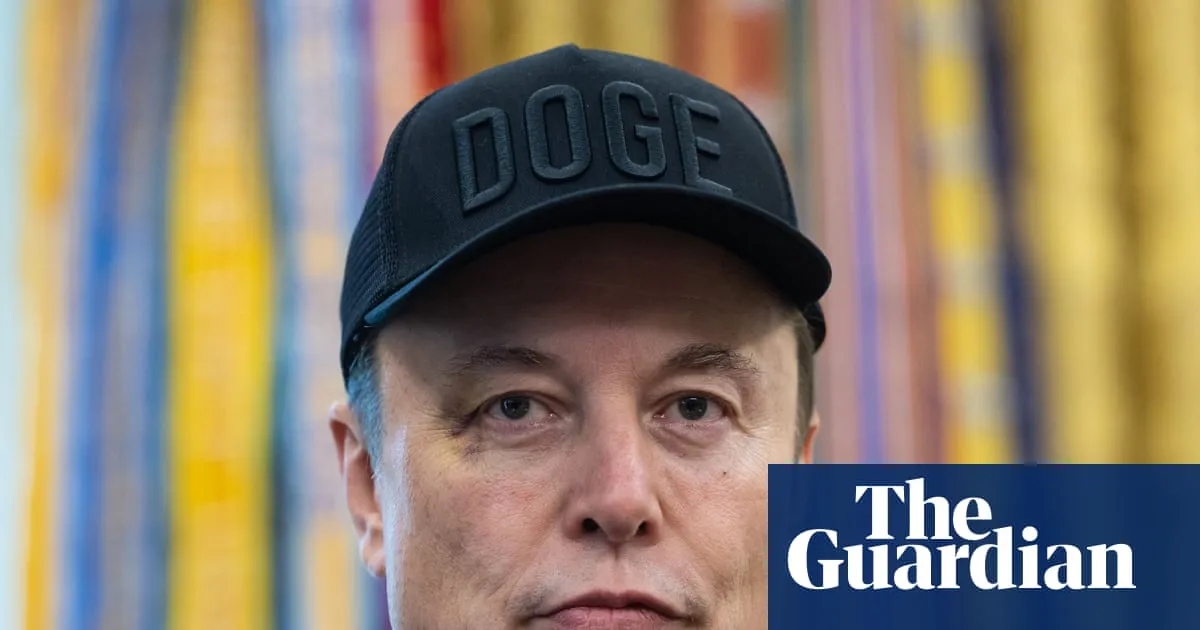
The Guardian - World NewsFIG 01
Reading time
3min
Word count
561words
Sources cited
3cited
Entities identified
5entities
NEWSAR · AI
Elon Musk stated that the "department of government efficiency" (Doge), a federal job-cutting program he led during Donald Trump's presidency, was only "somewhat successful" and he wouldn't repeat the experience. Doge resulted in over 200,000 federal worker layoffs and 75,000 buyouts, with claims of billions saved that were difficult to verify. Critics accused Musk of dismantling government institutions to advance the Trump agenda, while Musk now suggests he would have been better off focusing on his companies. He also alluded to ideological opposition to liberal initiatives within the Doge taskforce. Musk's involvement led to vandalism against Tesla, and the company's shares declined significantly during that period.
Confidence 0.90Sources 3Claims 5Entities 5
Framing
Political Strategy
Economic Impact
Tone
Mixed Tone
AI-assessed
CalmNeutralAlarmist
Factuality
0.70 / 1.00
Factual
LowHigh
Sources cited
3
Well sourced
FewMany
01
Musk says the 'department of government efficiency' (Doge) was only “a little bit successful” and he would not lead the project again.
quoteElon Musk
Confidence
1.00
02
Tesla’s shares lost close to half their value between January, when Doge was initiated, and March, but have since recovered.
statisticArticle's own claim
Confidence
0.90
03
More than 200,000 federal workers had been laid off and roughly 75,000 had accepted buyouts as a result of purges by Musk’s team.
factualArticle's own claim
Confidence
0.90
04
Doge was estimated to have saved far less public money than Musk and Trump boasted it would.
factualArticle's own claim
Confidence
0.80
05
SpaceX is expected to raise more than $25bn through an initial public offering next year.
predictionArticle's own claim
Confidence
0.70
§ 04
Full report
3 min read · 561 wordsKey playerOppositionContextPositiveNeutralNegative
People4
Organizations1
elon musk
1.00
doge
1.00
government efficiency
0.90
job-cutting program
0.80
donald trump
0.70
federal workers
0.70
tesla
0.60
public expenditure
0.60
bureaucratic efficiency
0.50
political rhetoric
0.50
§ 07
Connections
Who appears together in the newsIn this articleWider coverageLine weight = articles in common
Laying out network…
Strongest ties articles in common
- 201
- 147
- 64
- 60
- 10
- 9
Recurring context not named in this article
- OSpaceXlinks 5
- LUnited Stateslinks 5
- LChinalinks 4
- LRussialinks 4
- LVenezuelalinks 4
- LWashingtonlinks 4
- LIranlinks 4
- LWhite Houselinks 4