A direct ancestor of modern humans may have arrived in China much earlier than previously thought, according to a study that may rewrite our understanding of how early hominid species spread around the world.An analysis of Homo erectus fossils found in modern-day Hubei province using new techniques concluded that the remains were almost 1.8 million years old – pushing back their arrival date by around 600,000 years and suggesting the species may have spread across continents earlier and more successfully than scientists previously thought.While the species is believed to have originated in Africa before travelling across Eurasia, scientists are still trying to work out the precise timeline for its arrival in eastern Asia.In the latest study, researchers used a dating technique capable of accurately dating materials up to 5 million years old, far longer than the 50,000-year timespan for traditional carbon 14 dating techniques.The team from Shantou University, Nanjing Normal University and Shanxi University in China, as well as Purdue University and University of Hawaii in the US, published their findings in the peer-reviewed journal Science Advances on February 18.Animal fossils were first found at the Yunxian archaeological site on the Han River in the 1960s and 70s, with three hominid skulls being unearthed over the subsequent decades.
SRCSouth China Morning Post
LANGEN
LEANCenter-Right
WORDS208
ENT5
FRI · 2026-02-27 · 06:00 GMTBRIEF NSR-2026-0227-19733
NSR-2026-0227-19733News Report·EN·Technology
When did our ancient ancestor Homo erectus first arrive in China out of Africa?
A new study suggests Homo erectus, a direct ancestor of modern humans, arrived in China nearly 1.8 million years ago, significantly earlier than previously believed. The research, published in Science Advances, analyzed fossils found in Hubei province using advanced dating techniques.
Holly ChikSouth China Morning PostFiled 2026-02-27 · 06:00 GMTLean · Center-RightRead · 1 min
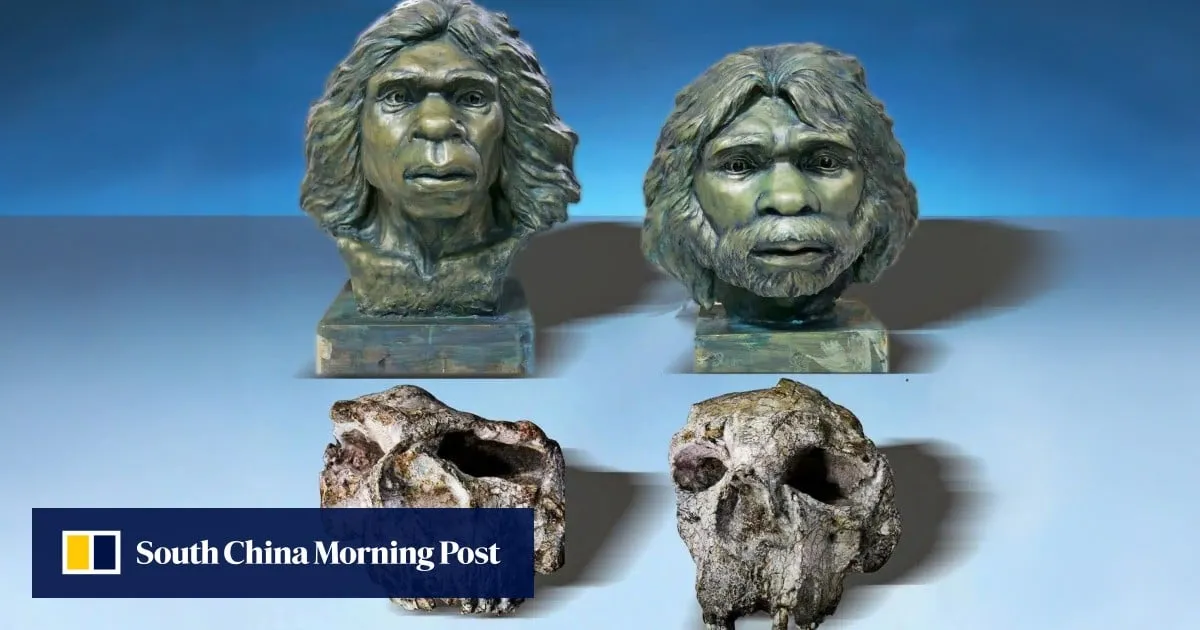
South China Morning PostFIG 01
Reading time
1min
Word count
208words
Sources cited
0cited
Entities identified
5entities
Quality score
100%
§ 01
Briefing Summary
AI-generatedNEWSAR · AI
A new study suggests Homo erectus, a direct ancestor of modern humans, arrived in China nearly 1.8 million years ago, significantly earlier than previously believed. The research, published in Science Advances, analyzed fossils found in Hubei province using advanced dating techniques. This discovery pushes back the estimated arrival date of Homo erectus in East Asia by approximately 600,000 years. The findings imply that this early hominid species may have migrated out of Africa and spread across Eurasia more rapidly and successfully than previously understood. The research team consisted of scientists from universities in China and the United States, who re-examined fossils initially discovered at the Yunxian archaeological site decades ago.
Confidence 0.90Claims 5Entities 5
§ 02
Article analysis
Model · rule-basedFraming
Technology
Human Interest
Tone
Measured
AI-assessed
CalmNeutralAlarmist
Factuality
0.80 / 1.00
Factual
LowHigh
Sources cited
0
No named sources
FewMany
§ 03
Key claims
5 extracted01
Animal fossils were first found at the Yunxian archaeological site in the 1960s and 70s.
factualarticle
Confidence
1.00
02
The study was published in the peer-reviewed journal Science Advances on February 18.
factualarticle
Confidence
1.00
03
Researchers used a dating technique capable of accurately dating materials up to 5 million years old.
factualarticle
Confidence
1.00
04
The fossils' age pushes back the arrival date of Homo erectus in China by around 600,000 years.
factualstudy
Confidence
0.90
05
Homo erectus fossils found in Hubei province are almost 1.8 million years old.
factualstudy
Confidence
0.90
§ 04
Full report
1 min read · 208 words§ 05
Entities
5 identifiedKey playerOppositionContextPositiveNeutralNegative
§ 06
Keywords & salience
9 termshomo erectus
1.00
human evolution
0.80
china
0.70
africa
0.60
dating techniques
0.60
fossil analysis
0.50
early hominids
0.50
archaeological site
0.40
eurasia
0.40
§ 07
Topic connections
Interactive graph Network visualization showing 51 related topics
View Full Graph Person Organization Location Event|Click node to navigate|Edge numbers = shared articles