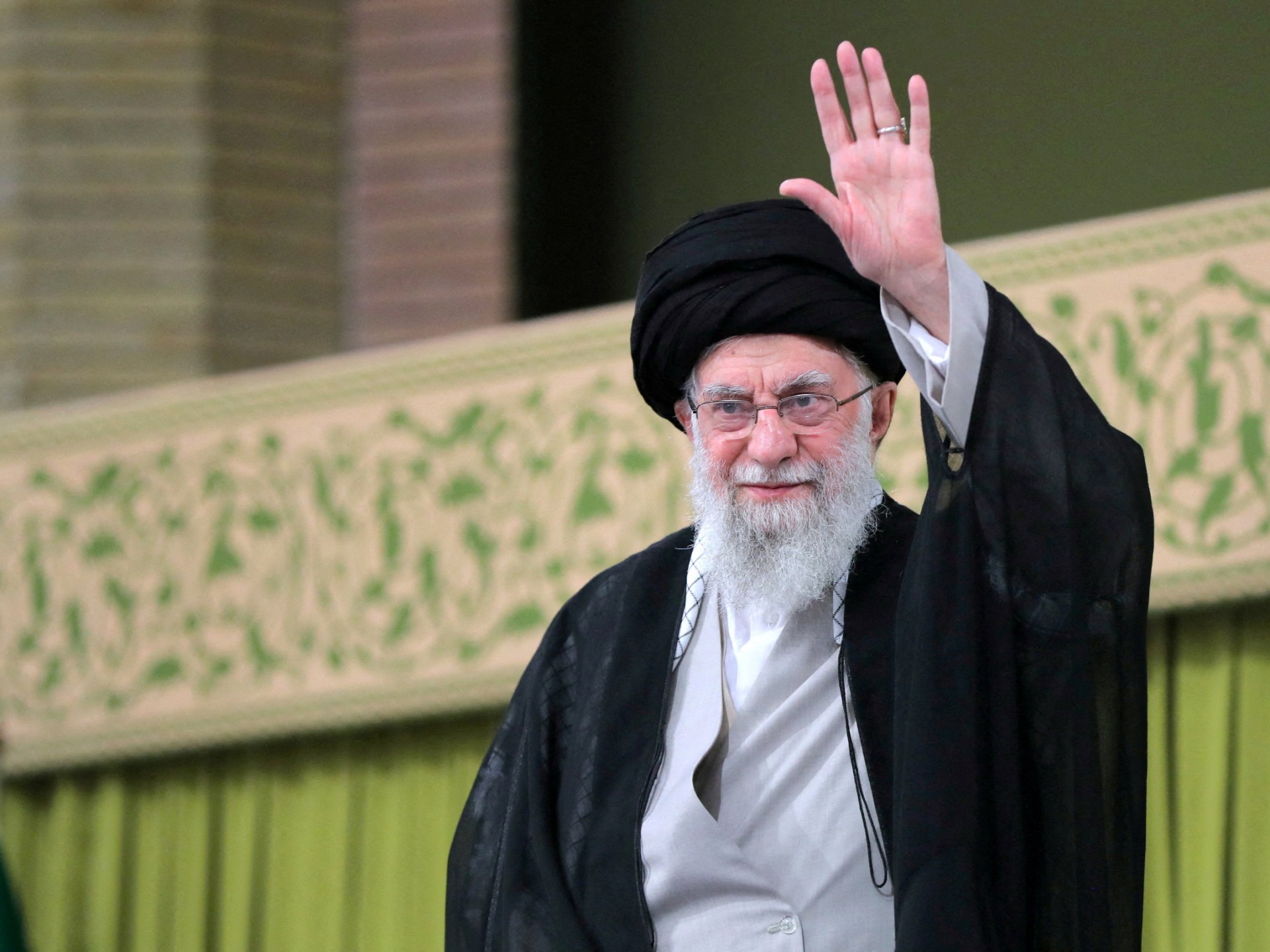
Iran after Ayatollah Ali Khamenei
Displaced Lebanese shelter in schools, stadiums amid Israeli attacks
AI Summary
Following the assassinations of Ayatollah Ali Khamenei and other Iranian officials in early 2026, some Western powers hoped for a swift regime change in Iran. However, this article, published on March 1, 2026, argues that foreign intervention is unlikely to produce the desired outcome. Referencing Afghanistan, Iraq, and Libya, the author suggests that external military operations often lead to chaos and instability rather than a smooth transition. These countries experienced prolonged conflict, civil war, and governmental division after interventions. The article implies that Iran, after Khamenei, may not experience the quick and decisive rupture that intervention proponents anticipate.
Article Analysis
Key Claims (5)
AI-ExtractedAfghanistan experienced regime change in 2001 following the US invasion; that triggered two decades of fighting and attacks on civilians.
The US-Israeli intervention came soon after, with both United States President Donald Trump and Israeli Prime Minister Benjamin Netanyahu urging Iranians to “rise up”.
Interventionists in the West argued that the costs of the political order in Iran outweighed the risks of regime change.
Afghanistan, Iraq and Libya demonstrate that external military operations are followed not by rapid stabilisation, but by chaos.
The assassination of leader Ayatollah Khamenei may have a profound impact that does not result in state collapse.
Key Entities & Roles
Keywords
Sentiment Analysis
Source Transparency
This article was automatically classified using rule-based analysis.
Topic Connections
Explore how the topics in this article connect to other news stories
Related Coverage (5)
Find Similar Articles
AI-PoweredDiscover articles with similar content using semantic similarity analysis.