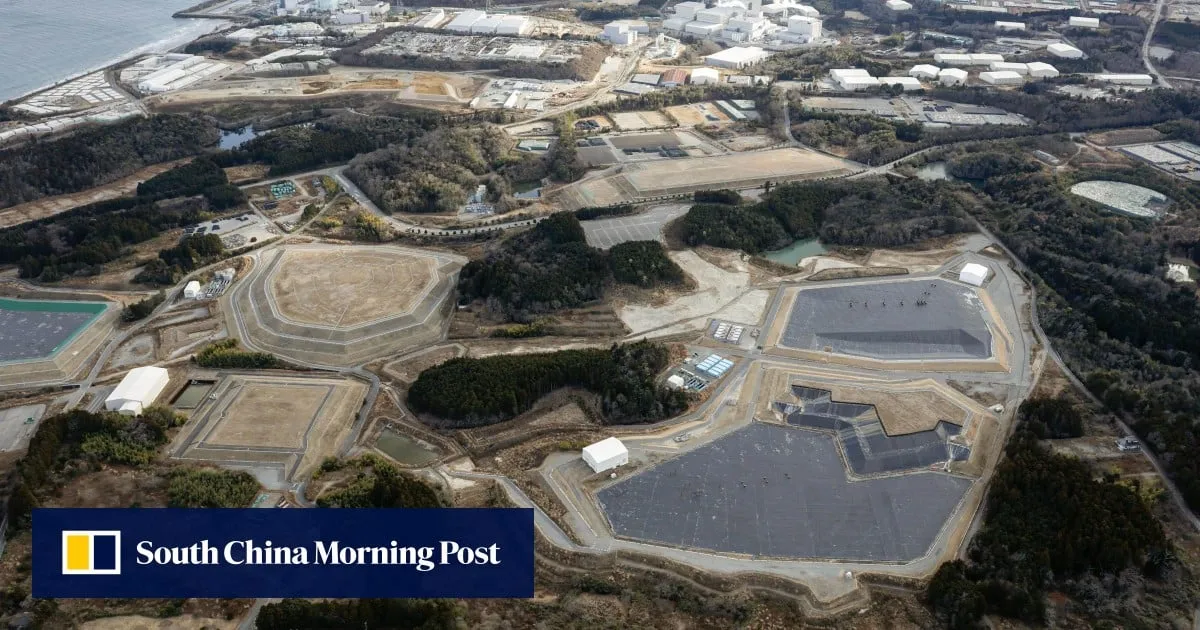
None of Japan’s prefectural governors are willing to accept soil collected in decontamination work near the disaster-stricken Fukushima Daiichi nuclear complex without further safety information and support from the central government, according to a Kyodo News survey.A search for final disposal sites for 14 million cubic metres (500 million cubic feet) of removed soil and other waste in Fukushima after the March 2011 nuclear disaster is a key part of the government’s reconstruction efforts in the eastern Japan prefecture.The Fukushima-daiichi-nuclear-power-plant" class="entity-link entity-organization" data-entity-id="17078" data-entity-type="organization">Fukushima Daiichi Nuclear Power Plant, hit by a powerful earthquake and tsunami, suffered fuel meltdowns at three of its nuclear reactors, releasing radiation into the atmosphere. Clean-up work in nearby areas led to the accumulation of contaminated soil.The government plans to start selecting candidates for soil disposal sites around 2030. The soil waste currently at an interim storage facility near the crippled Fukushima nuclear plant must be moved outside the prefecture by March 2045, by law.A robotic arm shows the removal of melted nuclear fuel debris during a simulation at the Fukushima-daiichi-nuclear-power-plant" class="entity-link entity-organization" data-entity-id="17078" data-entity-type="organization">Fukushima Daiichi Nuclear Power Plant on Wednesday. Photo: Kiki Press/AFPIn the survey conducted from January to February among all 47 prefectural governors except Fukushima’s, 24 said they were not prepared to consider hosting disposal sites due to insufficient information from the central government.
SRCSouth China Morning Post
LANGEN
LEANCenter-Right
WORDS213
ENT4
MON · 2026-03-02 · 06:27 GMTBRIEF NSR-2026-0302-20538
NSR-2026-0302-20538News Report·EN·Environmental
Where will Fukushima’s nuclear waste go? Japanese governors reject tainted soil
A recent survey reveals that none of Japan's prefectural governors, excluding Fukushima's, are willing to accept contaminated soil from the Fukushima Daiichi nuclear disaster cleanup without more safety information and government support. The Japanese government aims to find final disposal sites for 14 million cubic meters of contaminated soil and waste removed following the 2011 nuclear disaster.
KyodoSouth China Morning PostFiled 2026-03-02 · 06:27 GMTLean · Center-RightRead · 1 min
South China Morning PostFIG 01
Reading time
1min
Word count
213words
Sources cited
1cited
Entities identified
4entities
Quality score
100%
§ 01
Briefing Summary
AI-generatedNEWSAR · AI
A recent survey reveals that none of Japan's prefectural governors, excluding Fukushima's, are willing to accept contaminated soil from the Fukushima Daiichi nuclear disaster cleanup without more safety information and government support. The Japanese government aims to find final disposal sites for 14 million cubic meters of contaminated soil and waste removed following the 2011 nuclear disaster. The government plans to begin selecting potential disposal sites around 2030, with a legal deadline of March 2045 to move the waste from an interim storage facility near the Fukushima plant. Governors cite insufficient information from the central government as the primary reason for their reluctance to consider hosting the disposal sites.
Confidence 0.90Sources 1Claims 5Entities 4
§ 02
Article analysis
Model · rule-basedFraming
Environmental
Political Strategy
Tone
Measured
AI-assessed
CalmNeutralAlarmist
Factuality
0.80 / 1.00
Factual
LowHigh
Sources cited
1
Limited
FewMany
§ 03
Key claims
5 extracted01
24 governors said they were not prepared to consider hosting disposal sites due to insufficient information.
statisticnull
Confidence
1.00
02
A search for final disposal sites for 14 million cubic metres of removed soil is a key part of reconstruction efforts.
factualnull
Confidence
1.00
03
Soil waste at an interim storage facility must be moved outside Fukushima prefecture by March 2045.
factualnull
Confidence
1.00
04
The government plans to start selecting candidates for soil disposal sites around 2030.
factualnull
Confidence
1.00
05
None of Japan’s prefectural governors are willing to accept soil collected in decontamination work near Fukushima without further safety information.
factualKyodo News survey
Confidence
1.00
§ 04
Full report
1 min read · 213 words§ 05
Entities
4 identifiedKey playerOppositionContextPositiveNeutralNegative
§ 06
Keywords & salience
8 termsfukushima daiichi
1.00
nuclear waste
0.90
contaminated soil
0.80
disposal sites
0.70
prefectural governors
0.60
nuclear disaster
0.50
decontamination work
0.50
radiation
0.40
§ 07
Topic connections
Interactive graph No topic relationship data available yet. This graph will appear once topic relationships have been computed.