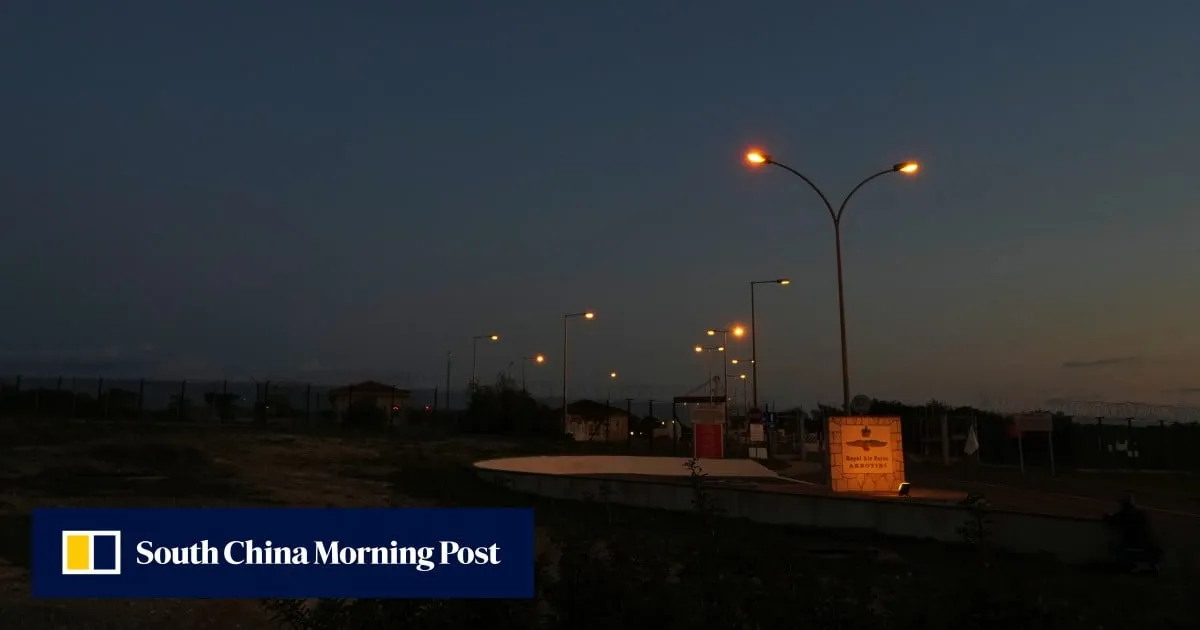
The simmering war in the Middle East fractured Europe on Monday, as allies clashed, tempers flared and the shock waves from the US and Israeli bombing of Iran threatened to reverberate through the continent.The crisis exposed a familiar European fault line: while leaders insist they are the last guardians of the rules-based international order, they remain split over how to respond when allies bend or break those rules.With oil price spikes threatening to compound the European economic malaise, EU member state Cyprus was attacked by a retaliatory Iranian drone strike, with British military bases on the island thought to be the target, underscoring how directly exposed Europe is to the fallout.A cacophony of voices responded – some calling for restraint, others for regime change, while more still squabbled over who should actually be speaking on behalf of the EU, showing how European micro-politics can eclipse even the most seismic global crises.At a spiky press conference in Brussels on Monday, EU spokespeople were unable or unwilling to clarify whether the strikes – conducted without consulting the UN Security Council or the US Congress – were legal under international law, even as they urged all parties to play by the rules.Nor could they clarify whether European Commission President Ursula von der Leyen – who has no strict authority on foreign policy – was calling for regime change, and under whose authority, when she said the attacks showed “why a credible transition in Iran is urgently needed”.
SRCSouth China Morning Post
LANGEN
OutletPrivately owned · Hong Kong
WORDS244
ENT9
MON · 2026-03-02 · 19:10 GMTBRIEF NSR-2026-0302-20736
NSR-2026-0302-20736News Report·EN·Conflict
Europe divided and on edge as US-Israeli attacks on Iran ripple across the continent
Following US and Israeli attacks on Iran, Europe is experiencing division and heightened tensions. The strikes have exposed existing fault lines among European nations regarding how to respond when allies potentially violate international rules.
Finbarr Bermingham,Xiaofei XuSouth China Morning PostFiled 2026-03-02 · 19:10 GMTOutlet · Privately owned · Hong KongRead · 1 min
South China Morning PostFIG 01
Reading time
1min
Word count
244words
Sources cited
0cited
Entities identified
9entities
NEWSAR · AI
Following US and Israeli attacks on Iran, Europe is experiencing division and heightened tensions. The strikes have exposed existing fault lines among European nations regarding how to respond when allies potentially violate international rules. The crisis intensified when Cyprus, an EU member, was targeted by an Iranian drone strike, highlighting Europe's vulnerability to the conflict's repercussions. European leaders are divided in their responses, ranging from calls for restraint to advocating for regime change in Iran. EU officials struggled to clarify the legality of the strikes, which were conducted without UN Security Council consultation, and to reconcile conflicting statements from European leaders regarding Iran's future. The situation underscores how internal European politics can overshadow significant global crises.
Confidence 0.90Claims 5Entities 9
Framing
Conflict
Diplomatic
Tone
Mixed Tone
AI-assessed
CalmNeutralAlarmist
Factuality
0.60 / 1.00
Mixed
LowHigh
Sources cited
0
No named sources
FewMany
01
Ursula von der Leyen said the attacks showed “why a credible transition in Iran is urgently needed”.
quoteUrsula von der Leyen
Confidence
1.00
02
EU member state Cyprus was attacked by a retaliatory Iranian drone strike.
factual
Confidence
1.00
03
EU spokespeople were unable or unwilling to clarify whether the strikes were legal under international law.
factual
Confidence
0.90
04
British military bases on the island thought to be the target.
factual
Confidence
0.80
05
US and Israeli bombing of Iran threatened to reverberate through the continent.
factual
Confidence
0.70
§ 04
Full report
1 min read · 244 wordsKey playerOppositionContextPositiveNeutralNegative
Organizations2
us-israeli attacks
0.90
iran
0.80
europe
0.70
regime change
0.60
eu foreign policy
0.50
un security council
0.50
oil price spikes
0.40
§ 07
Connections
Who appears together in the newsIn this articleWider coverageLine weight = articles in common
Laying out network…
Strongest ties articles in common
- 12,267
- 6,988
- 6,840
- 1,175
- 1,171
- 1,065
Recurring context not named in this article
- LTehranlinks 9
- PDonald Trumplinks 9
- LStrait of Hormuzlinks 9
- LRussialinks 9
- LMiddle Eastlinks 9
- LLebanonlinks 9
- LChinalinks 9
- LUkrainelinks 9