Iran’s supreme leader Ali Khamenei’s death is “historically significant” but will not “automatically” lead to the fall of the Iranian system, the widow of the country’s last shah said in an interview on Tuesday.“The passing of a man – however central he may be to the architecture of power – does not automatically mean the end of a system,” said Farah Pahlavi, three days after US-Israeli strikes on Iran killed Khamenei.The attacks on Iran have thrown the Middle East into turmoil and raised enormous questions about the fate of the Islamic Republic following the death of the supreme leader and other senior figures.Pahlavi, 87, urged the international community to respect Iranian sovereignty and assist the people in following their own “destiny”.“What will be decisive,” she said, was “the ability of the Iranian people to unite around a peaceful, orderly and sovereign transition to a state governed by the rule of law”.Mohammad Reza Pahlavi and his wife, Farah, are seen in exile in Marrakech in January 1979, a few days after leaving Iran during the revolution. Photo: AFPShe added that her son Reza Pahlavi, who has positioned himself as an alternative if the republic falls, “is in the process of preparing” such a transition.
SRCSouth China Morning Post
LANGEN
LEANCenter-Right
WORDS203
ENT8
TUE · 2026-03-03 · 18:07 GMTBRIEF NSR-2026-0303-21042
NSR-2026-0303-21042News Report·EN·Political Strategy
Iran will not ‘automatically’ fall after Khamenei’s death, shah’s widow says
Following US-Israeli strikes on Iran that resulted in the death of Supreme Leader Ali Khamenei, Farah Pahlavi, the widow of the last Shah, stated that Khamenei's death, while historically significant, will not automatically lead to the collapse of the Iranian system. Pahlavi, speaking in an interview, emphasized the importance of the Iranian people uniting for a peaceful transition to a law-based state.
Agence France-PresseSouth China Morning PostFiled 2026-03-03 · 18:07 GMTLean · Center-RightRead · 1 min
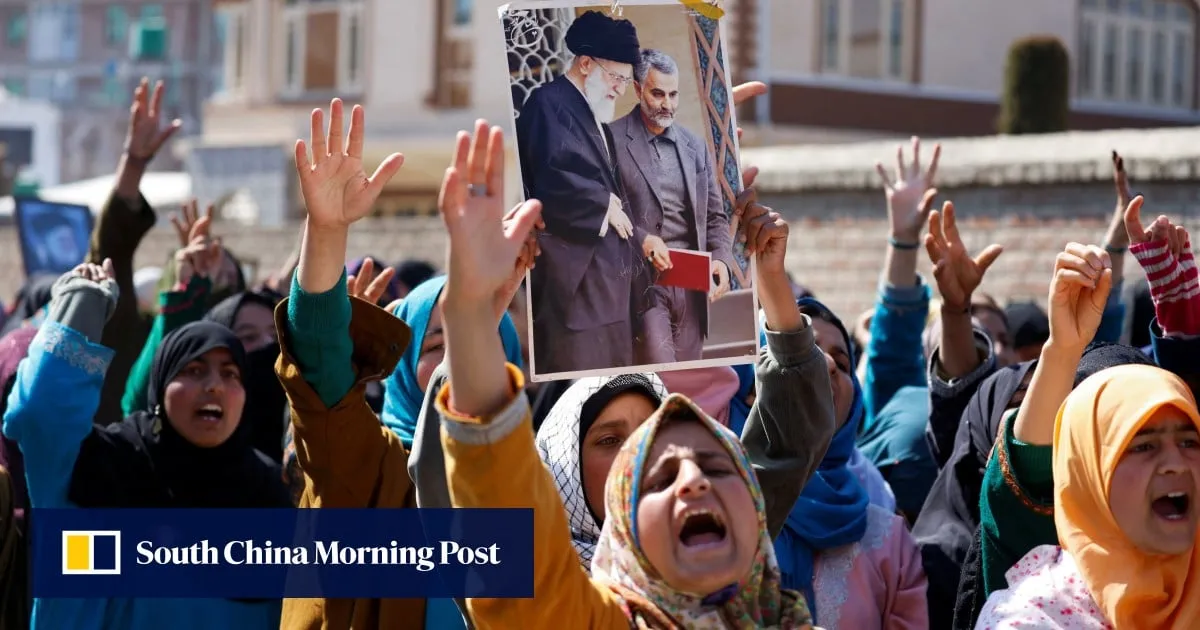
South China Morning PostFIG 01
Reading time
1min
Word count
203words
Sources cited
1cited
Entities identified
8entities
Quality score
100%
§ 01
Briefing Summary
AI-generatedNEWSAR · AI
Following US-Israeli strikes on Iran that resulted in the death of Supreme Leader Ali Khamenei, Farah Pahlavi, the widow of the last Shah, stated that Khamenei's death, while historically significant, will not automatically lead to the collapse of the Iranian system. Pahlavi, speaking in an interview, emphasized the importance of the Iranian people uniting for a peaceful transition to a law-based state. She urged the international community to respect Iranian sovereignty and support the people's self-determination. Pahlavi also noted that her son, Reza Pahlavi, is preparing for a potential transition should the current republic fall. The attacks and Khamenei's death have created turmoil in the Middle East and raised questions about Iran's future.
Confidence 0.90Sources 1Claims 5Entities 8
§ 02
Article analysis
Model · rule-basedFraming
Political Strategy
Conflict
Tone
Mixed Tone
AI-assessed
CalmNeutralAlarmist
Factuality
0.70 / 1.00
Factual
LowHigh
Sources cited
1
Limited
FewMany
§ 03
Key claims
5 extracted01
US-Israeli strikes on Iran killed Khamenei.
factual
Confidence
0.90
02
Khamenei's death will not “automatically” lead to the fall of the Iranian system.
quoteFarah Pahlavi
Confidence
0.90
03
Iran’s supreme leader Ali Khamenei’s death is “historically significant”.
quoteFarah Pahlavi
Confidence
0.90
04
Reza Pahlavi is in the process of preparing a transition if the republic falls.
quoteFarah Pahlavi
Confidence
0.80
05
Attacks on Iran have thrown the Middle East into turmoil.
factual
Confidence
0.80
§ 04
Full report
1 min read · 203 words§ 05
Entities
8 identifiedKey playerOppositionContextPositiveNeutralNegative
People3
Organizations1
§ 06
Keywords & salience
10 termsiran
1.00
ali khamenei
0.90
death
0.80
iranian system
0.70
farah pahlavi
0.70
transition
0.60
middle east
0.50
islamic republic
0.50
sovereignty
0.50
reza pahlavi
0.40
§ 07
Topic connections
Interactive graph Network visualization showing 51 related topics
View Full Graph Person Organization Location Event|Click node to navigate|Edge numbers = shared articles