The BBC is to call for an end to political appointments to its board as part of sweeping changes designed to protect its independence.The corporation will also demand that its royal charter be put on a permanent footing in an attempt to end the existential threat posed by having to negotiate with ministers over its future every 10 years.The proposals form part of its official response to current charter renewal talks, to be published on Thursday.It follows concern within the BBC that political pressure from its board led to the resignations of the director general, Tim Davie, and the head of BBC News, Deborah Turness, in November last year.MPs and BBC staff members have called for the board member Robbie Gibb to be removed after claims of a “coup” against the pair. Gibb, Theresa May’s former communications chief, was appointed during Boris Johnson’s time as prime minister.The BBC has always said Gibb’s voice was one of many on its board, and the corporation’s chair, Samir Shah, has ridiculed claims of a rightwing coup.It is nevertheless to press for an end to political appointments and the perception of interference they create.A source pointed to the results of the biggest audience engagement exercise ever carried out by the broadcaster, in which licence-fee payers saw the BBC’s independence as non-negotiable.“When it comes to independence, perceptions matter as much as reality, and the audience has spoken,” said a BBC source. “This charter must find ways to reassert the BBC’s editorial, creative and operational independence, so the BBC can continue to be a universally supported, trusted, unifying force.“At the same time, we want to keep modernising the BBC and find new ways to open up our thinking, plans and decision-making to our audience, so they are more involved.”The proposals form part of what is expected to be a set of significant changes proposed by the BBC, which faces hostility from its political detractors and commercial rivals over its funding model. Its current charter expires at the end of 2027.Insiders have said non-payment of the licence fee is increasing faster than predicted. Significant cuts have already been announced as its funding base erodes.The BBC also has to come up with plans to deal with a rapidly changing media world, with the rise of wealthy streamers such as Netflix and the growing role played by YouTube and other digital platforms.BBC executives continue to oppose any shift to an ad-funded or subscription-based system, but there is acknowledgment that radical ideas need to be considered to ensure public service broadcasting continues to have a future – and that the BBC’s universal funding model can be justified.The idea of a permanent charter was raised last year by the former BBC News chief James Harding. He said protecting the BBC was crucial with the prospect of Nigel Farage entering government at the next election.He used a keynote speech last year to say it would be “recklessly complacent” to believe that Reform would not pursue attempts to defund publicly backed media, as Donald Trump has done in the US.BBC insiders say the current 10-year charter creates a “recurring threat to the BBC’s existence, uncertainty and the potential for political interference”. They point to other institutions, such as the Bank of England, that have a permanent charter.It would mean that while the BBC would continue to have to negotiate over what it does and how it is funded, its existence would no longer be questioned.The BBC is having to publish its proposals while it continues to search for a new leader to replace Davie. Many fancied names are no longer in the frame, with the former Google executive Matt Brittin now seen as the favourite.
SRCThe Guardian - World News
LANGEN
LEANCenter-Left
WORDS612
ENT8
THU · 2026-03-05 · 00:01 GMTBRIEF NSR-2026-0305-21540
NSR-2026-0305-21540News Report·EN·Political Strategy
BBC to call for permanent charter and end of political appointments to board
The BBC will propose significant changes to its charter, including ending political appointments to its board and establishing a permanent charter, to ensure its independence. This move follows concerns that political pressure from board members contributed to the resignations of key executives last year.
Michael Savage Media editorThe Guardian - World NewsFiled 2026-03-05 · 00:01 GMTLean · Center-LeftRead · 3 min
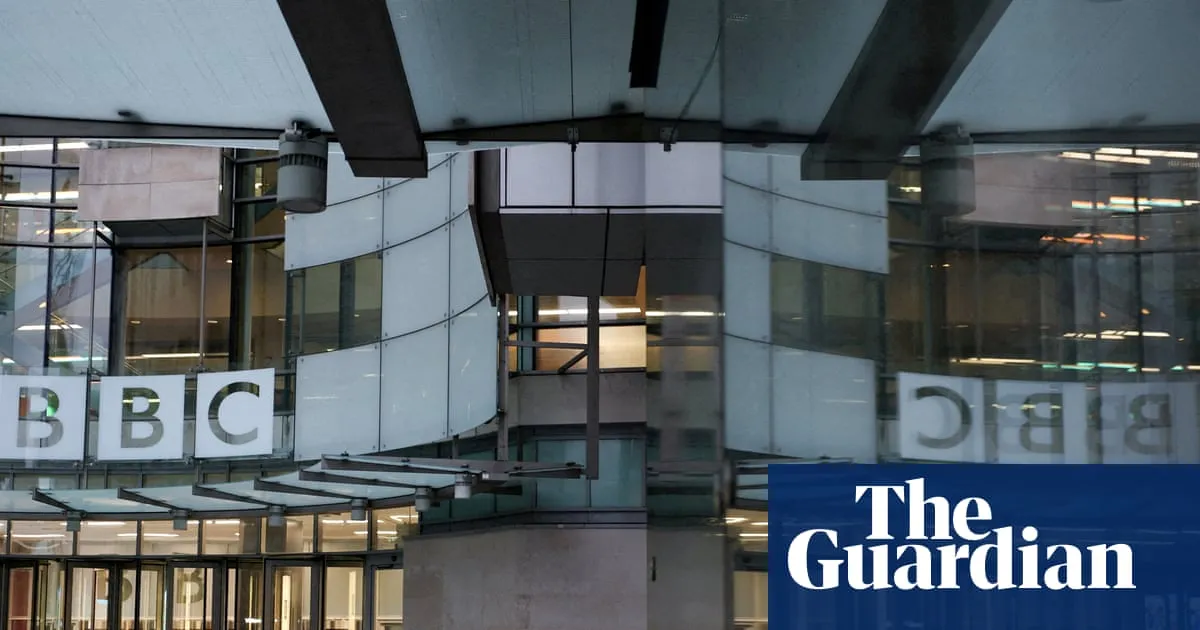
The Guardian - World NewsFIG 01
Reading time
3min
Word count
612words
Sources cited
4cited
Entities identified
8entities
Quality score
100%
§ 01
Briefing Summary
AI-generatedNEWSAR · AI
The BBC will propose significant changes to its charter, including ending political appointments to its board and establishing a permanent charter, to ensure its independence. This move follows concerns that political pressure from board members contributed to the resignations of key executives last year. The BBC's proposals are a response to audience feedback emphasizing the importance of its independence. The current charter expires in 2027, and the BBC faces challenges including declining license fee payments and competition from streaming services. The BBC aims to modernize while maintaining its role as a trusted and unifying force, opposing a shift to advertising or subscription-based funding.
Confidence 0.90Sources 4Claims 5Entities 8
§ 02
Article analysis
Model · rule-basedFraming
Political Strategy
Economic Impact
Tone
Measured
AI-assessed
CalmNeutralAlarmist
Factuality
0.70 / 1.00
Factual
LowHigh
Sources cited
4
Well sourced
FewMany
§ 03
Key claims
5 extracted01
The BBC's current charter expires at the end of 2027.
factual
Confidence
1.00
02
The BBC will demand its royal charter be put on a permanent footing.
factualBBC
Confidence
1.00
03
The BBC will call for an end to political appointments to its board.
factualBBC
Confidence
1.00
04
Non-payment of the licence fee is increasing faster than predicted.
factualInsiders
Confidence
0.90
05
Political pressure from its board led to the resignations of Tim Davie and Deborah Turness.
quoteMPs and BBC staff members
Confidence
0.80
§ 04
Full report
3 min read · 612 words§ 05
Entities
8 identifiedKey playerOppositionContextPositiveNeutralNegative
People5
§ 06
Keywords & salience
9 termsbbc
1.00
political appointments
0.90
charter renewal
0.80
independence
0.80
board
0.70
licence fee
0.60
funding model
0.50
tim davie
0.40
robbie gibb
0.40
§ 07
Topic connections
Interactive graph Network visualization showing 51 related topics
View Full Graph Person Organization Location Event|Click node to navigate|Edge numbers = shared articles