Counting the CostEnergy supplies in the Middle East are being chocked off as the conflict between the US, Israel and Iran escalates.Iran is retaliating against Israeli and US attacks where it hurts the most: Energy.And the world is already feeling it at the pump.Tehran has disrupted shipping through the Strait of Hormuz – a narrow waterway through which a fifth of all global oil flows.It has also launched a series of counterstrikes across the Gulf, against oil and gas facilities.Any further disruption to that flow would cripple the world’s largest importing economies – from East Asia to Europe.Oil and gas prices are climbing.That means higher fuel costs for cars, power plants and industry – rippling through the global economy.Published On 5 Mar 2026
SRCAl Jazeera
LANGEN
OutletState media · Qatar
WORDS123
ENT9
THU · 2026-03-05 · 11:22 GMTBRIEF NSR-2026-0305-21675
NSR-2026-0305-21675News Report·EN·Economic Impact
How will the Middle East conflict affect global energy prices?
In March 2026, escalating conflict in the Middle East between the US, Israel, and Iran is disrupting global energy supplies. Iran is retaliating against attacks by targeting energy infrastructure and shipping routes, specifically disrupting traffic through the Strait of Hormuz, a critical waterway for oil transport.
Al JazeeraFiled 2026-03-05 · 11:22 GMTOutlet · State media · QatarRead · 1 min
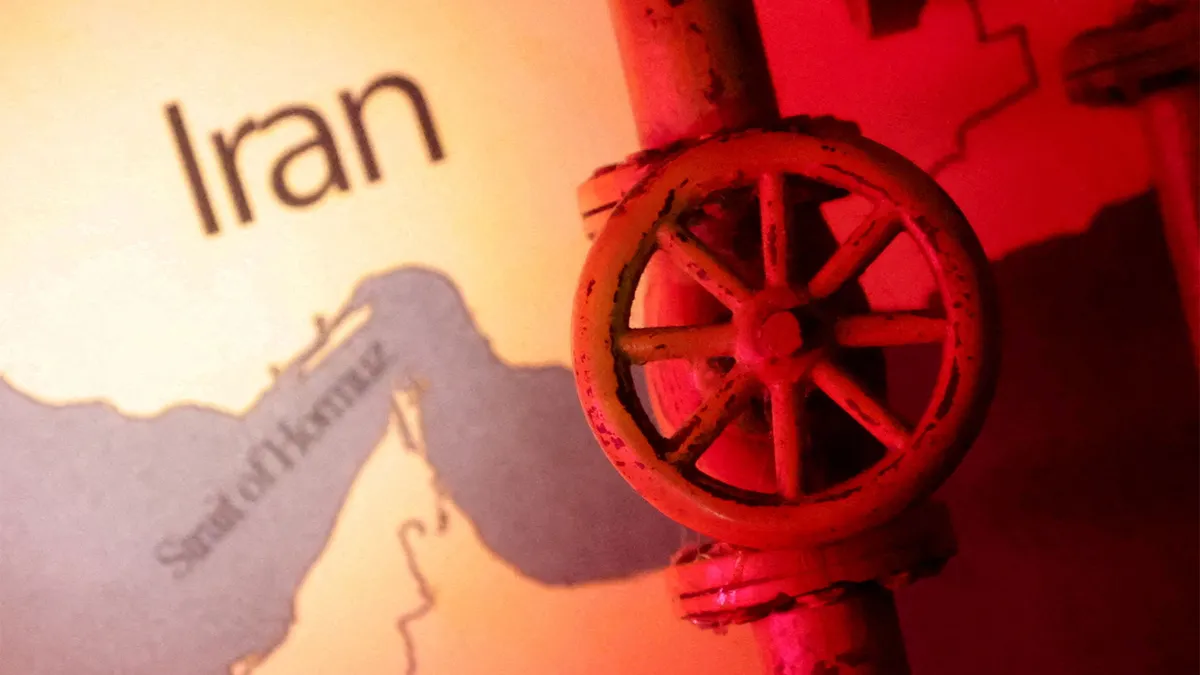
Al JazeeraFIG 01
Reading time
1min
Word count
123words
Sources cited
0cited
Entities identified
9entities
NEWSAR · AI
In March 2026, escalating conflict in the Middle East between the US, Israel, and Iran is disrupting global energy supplies. Iran is retaliating against attacks by targeting energy infrastructure and shipping routes, specifically disrupting traffic through the Strait of Hormuz, a critical waterway for oil transport. This disruption is impacting major importing economies in East Asia and Europe. Consequently, oil and gas prices are rising globally, leading to increased fuel costs for various sectors, including transportation, power generation, and industry. The conflict's impact on energy supplies is expected to have widespread economic repercussions.
Confidence 0.85Claims 5Entities 9
Framing
Economic Impact
Conflict
Tone
Mixed Tone
AI-assessed
CalmNeutralAlarmist
Factuality
0.60 / 1.00
Mixed
LowHigh
Sources cited
0
No named sources
FewMany
01
A fifth of all global oil flows through the Strait of Hormuz.
statistic
Confidence
0.90
02
Tehran has disrupted shipping through the Strait of Hormuz.
factual
Confidence
0.90
03
Energy supplies in the Middle East are being chocked off as the conflict between the US, Israel and Iran escalates.
factual
Confidence
0.80
04
Iran is retaliating against Israeli and US attacks where it hurts the most: Energy.
factual
Confidence
0.70
05
Any further disruption to that flow would cripple the world’s largest importing economies.
prediction
Confidence
0.60
§ 04
Full report
1 min read · 123 wordsKey playerOppositionContextPositiveNeutralNegative
global energy prices
1.00
middle east conflict
0.90
oil prices
0.80
strait of hormuz
0.70
gas prices
0.70
energy supplies
0.70
shipping disruption
0.60
fuel costs
0.60
global economy
0.50
§ 07
Connections
Who appears together in the newsIn this articleWider coverageLine weight = articles in common
Laying out network…
Strongest ties articles in common
- 12,267
- 6,988
- 6,840
- 3,992
- 3,563
- 2,643
Recurring context not named in this article
- LAustralialinks 9
- LBeijinglinks 9
- LRussialinks 9
- LSouth Korealinks 9
- LIndialinks 9
- LJapanlinks 9
- OUnited Nationslinks 9
- LChinalinks 9