Halifax has warned that the US-Israel war on Iran could slow mortgage rate decreases this year, as it said that house price growth eased dramatically in February.Halifax, which is part of Lloyds – Britain’s biggest mortgage lender – said the conflict in the Middle East was likely to affect global economies, stoke inflation and reduce the likely rate of interest rate cuts that influence borrowing costs for homebuyers.The lender said the value of a typical UK home rose 0.3% in February to £301,151.However, this is a significant dip in the rate of growth compared with the 0.8% recorded in January that fuelled average house prices passing the £300,000 mark for the first time.“Looking ahead, geopolitical uncertainties seem set to influence the outlook for inflation and the wider economy,” said Amanda Bryden, the head of mortgages at Halifax. “Against that backdrop, markets are now anticipating a more gradual path for interest rate reductions. If realised, the speed at which borrowing costs ease may be tempered.”Analysts have significantly cut the chances that the Bank of England’s monetary policy committee will vote in favour of another downward move in the 3.75% base rate when it meets later this month.“The conflict in the Middle East has lifted energy prices and shrunk central bank rate cut expectations,” said Mark Harris, the chief executive of the mortgage broker SPF Private Clients. “Swap rates, which underpin the pricing of fixed-rate mortgages, have edged higher amid fears that rising prices will fuel inflation.“A number of lenders have already increased their mortgage rates to reflect higher swap rates. Expectations of a near-term base rate cut, perhaps as early as this month, have substantially reduced.”On Thursday, HSBC, Nationwide and Coventry building societies became the first big UK lenders to announce an increase in rates on their fixed mortgage deals as a result of the Middle East crisis, with brokers predicting others are likely to follow.Jeremy Leaf, a north London estate agent and a former chair of the Royal Institution of Chartered Surveyors, said: “There is no question some buyers and sellers have been pressing the pause button since war in the Middle East began. We expect that button will be pushed a little harder if it seems likely uncertainties over interest rates and inflation persist for much more than a few weeks.“Until the end of February, activity had picked up steadily, as seen in these and other housing market figures, although inevitably some of that improvement may now begin to slowly unwind.”Halifax said the annual rate of house price growth rose to 1.3% in February, the strongest rate for four months.However, it said that while the housing market had gained some momentum after a slowdown at the end of last year, first-time buyers were still finding it difficult to get on the housing ladder.“There’s no doubt that affordability remains stretched, supply is constrained, and regional disparities persist,” Bryden said. “For those without family support, the path to home ownership feels particularly challenging.”Northern Ireland continues to show the strongest rate of house price growth in the UK, up 6.3% over the past year, with an average home costing £218,608.Scotland recorded annual growth of 4.7%, with a typical property valued at £222,286. The average price of a property in Wales has increased by 2.4% on an annual basis to £231,637.By contrast, property prices in the south of the UK have dipped. Across the south-east the average price of a home has fallen 2.2% annually to £383,834. While in London there has been a 1% annual dip to £538,200.
SRCThe Guardian - World News
LANGEN
LEANCenter-Left
WORDS586
ENT12
FRI · 2026-03-06 · 08:19 GMTBRIEF NSR-2026-0306-21986
NSR-2026-0306-21986News Report·EN·Economic Impact
‘Geopolitical uncertainties’ amid Iran war could slow fall in mortgage rates, says Halifax
Halifax, a major UK mortgage lender, warns that geopolitical uncertainties stemming from the conflict involving Iran could slow the anticipated decrease in mortgage rates. While UK house price growth saw a slight increase in February, the rate of growth has slowed compared to January.
Mark SweneyThe Guardian - World NewsFiled 2026-03-06 · 08:19 GMTLean · Center-LeftRead · 3 min
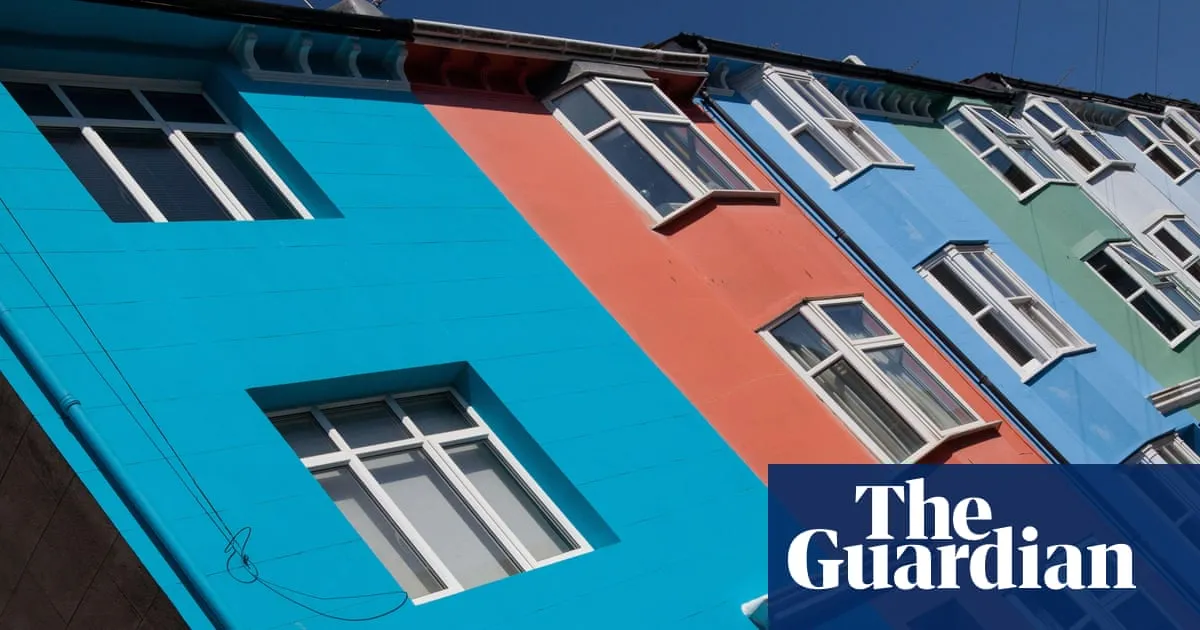
The Guardian - World NewsFIG 01
Reading time
3min
Word count
586words
Sources cited
5cited
Entities identified
12entities
Quality score
100%
§ 01
Briefing Summary
AI-generatedNEWSAR · AI
Halifax, a major UK mortgage lender, warns that geopolitical uncertainties stemming from the conflict involving Iran could slow the anticipated decrease in mortgage rates. While UK house price growth saw a slight increase in February, the rate of growth has slowed compared to January. The lender attributes this to the Middle East crisis potentially impacting global economies, fueling inflation, and tempering interest rate cuts by the Bank of England. Several UK lenders, including HSBC and Nationwide, have already begun increasing fixed mortgage rates in response to rising swap rates. Experts suggest that ongoing uncertainties regarding interest rates and inflation may cause buyers and sellers to delay housing market activity.
Confidence 0.90Sources 5Claims 5Entities 12
§ 02
Article analysis
Model · rule-basedFraming
Economic Impact
Conflict
Tone
Measured
AI-assessed
CalmNeutralAlarmist
Factuality
0.70 / 1.00
Factual
LowHigh
Sources cited
5
Well sourced
FewMany
§ 03
Key claims
5 extracted01
Annual rate of house price growth rose to 1.3% in February, the strongest rate for four months.
statisticHalifax
Confidence
1.00
02
Value of a typical UK home rose 0.3% in February to £301,151.
statisticHalifax
Confidence
1.00
03
A number of lenders have already increased their mortgage rates to reflect higher swap rates.
factual
Confidence
0.90
04
Markets are now anticipating a more gradual path for interest rate reductions.
quoteAmanda Bryden, Halifax
Confidence
0.80
05
US-Israel war on Iran could slow mortgage rate decreases this year.
predictionHalifax
Confidence
0.70
§ 04
Full report
3 min read · 586 words§ 05
Entities
12 identifiedKey playerOppositionContextPositiveNeutralNegative
Organizations7
§ 06
Keywords & salience
9 termsmortgage rates
1.00
geopolitical uncertainties
0.90
inflation
0.80
interest rate cuts
0.70
house prices
0.70
middle east conflict
0.60
swap rates
0.50
bank of england
0.50
borrowing costs
0.40
§ 07
Topic connections
Interactive graph No topic relationship data available yet. This graph will appear once topic relationships have been computed.