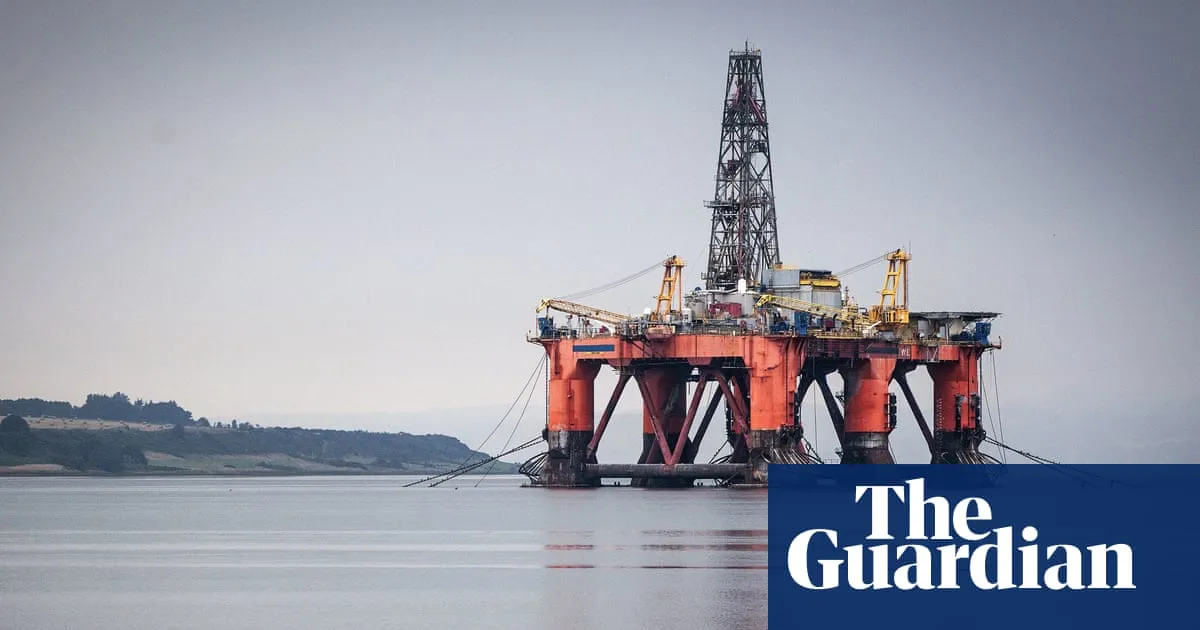
Easing the windfall tax on the North Sea would do nothing for hard-pressed consumers, and merely fatten the profits of oil and gas companies, economists and experts have told the Guardian.Rachel Reeves, the UK chancellor, is understood to be considering reductions to the energy profits levy, or potentially scrapping it and replacing it with a lower duty. Oil prices rose to $100 a barrel on Monday, as the US-Israel offensive on Iran showed little sign of halting.The tax was brought in during the last oil crisis, in 2022, after Russia’s invasion of Ukraine sent oil and gas prices soaring. Producers made windfall profits, because the cost of production was unchanged but the price they could get for their oil and gas rose by more than 50% within weeks.Companies are set for a bonanza again, as oil production in the Middle East has faltered and tankers have been stuck in the strait of Hormuz.The Conservative party has called for the windfall tax to be scrapped, claiming this would help the North Sea oil and gas industry. But experts told the Guardian this was not the case.Simon Cran-McGreehin, the head of analysis at the Energy and Climate Intelligence Unit thinktank, pointed out that the tax operated on the profits of producers, not on their output. The price producers get per barrel is determined by international markets, so UK producers subject to the tax cannot pass it on to their customers.“It’s an upstream tax, so it does not impact the end consumer,” he said.Some have argued that scrapping the windfall tax would allow more investment in the North Sea, to increase production. But Alex Chapman, a senior economist at the New Economics Foundation, said that if North Sea producers wanted to invest in their industry, they could do so with the bumper profits they were making from soaring prices, rather than needing tax breaks. “The Treasury should look to real opportunities for growth, not this,” he said.Proponents of easing the tax have argued it puts the UK at an international disadvantage. But Bob Ward, the policy director at the Grantham Research Institute at the London School of Economics, pointed out that the 78% tax Britain’s North Sea companies paid on their profits was roughly equivalent to the tax paid by Norwegian producers.The windfall tax has raised about £12bn, but that is dwarfed by the £56bn spent by the government helping consumers with high energy prices during the 2022-23 price spike.He said: “It seems a bit premature for the government to consider removal of the energy profits levy now, with energy companies again set to make windfall profits and the possibility that the government may yet again have to spend taxpayers’ money to protect consumers.”New drilling in the North Sea, which some have also called for, would take more than a decade to come onstream, so would have no impact on the current crisis, whereas building out renewables and switching to electric vehicles will have a much bigger impact, much sooner.In the longer term, more drilling also makes little sense, as the UK’s share of the basin is vastly depleted, leaving only pockets of oil and gas that are harder and more expensive to extract. New licences in the North Sea would extend the life of the basin by only about three to five years, according to estimates.Robert Palmer, the deputy director of the campaigning group Uplift, said the idea that the North Sea could deliver economic growth to the UK was “a fantasy, a pipe dream by a declining industry – because this is about geology, not politics”, and the government should invest instead in clean energy.He added: “All of us are about to get poorer – except the oil and gas companies and their shareholders. It’s pretty incredible that these companies are lobbying now for even less tax.”The best advice for consumers, according to experts, would be for those who can to switch away from the large petrol and diesel-driven SUVs that have become normalised in the UK in recent years, in favour of public transport or electric vehicles, and for households to install heat pumps, insulation and solar panels.
SRCThe Guardian - World News
LANGEN
LEANCenter-Left
WORDS688
ENT12
TUE · 2026-03-10 · 09:39 GMTBRIEF NSR-2026-0310-23131
NSR-2026-0310-23131News Report·EN·Economic Impact
Scrapping North Sea windfall tax would not reduce UK energy bills, say experts
Experts argue that eliminating the UK's windfall tax on North Sea oil and gas companies would not lower energy bills for consumers. The tax, implemented in 2022 after Russia's invasion of Ukraine caused energy prices to surge, targets producer profits, not output.
Fiona Harvey Environment editorThe Guardian - World NewsFiled 2026-03-10 · 09:39 GMTLean · Center-LeftRead · 3 min
The Guardian - World NewsFIG 01
Reading time
3min
Word count
688words
Sources cited
4cited
Entities identified
12entities
Quality score
100%
§ 01
Briefing Summary
AI-generatedNEWSAR · AI
Experts argue that eliminating the UK's windfall tax on North Sea oil and gas companies would not lower energy bills for consumers. The tax, implemented in 2022 after Russia's invasion of Ukraine caused energy prices to surge, targets producer profits, not output. While proponents claim scrapping the tax would boost North Sea investment and competitiveness, economists contend that companies already have ample profits for investment due to rising oil prices, now around $100 a barrel amid Middle East tensions. They also note that the UK's tax rate is comparable to Norway's. The windfall tax has generated £12 billion, but this is less than the £56 billion spent by the government to help consumers during the 2022-23 energy crisis.
Confidence 0.90Sources 4Claims 5Entities 12
§ 02
Article analysis
Model · rule-basedFraming
Economic Impact
Political Strategy
Tone
Measured
AI-assessed
CalmNeutralAlarmist
Factuality
0.70 / 1.00
Factual
LowHigh
Sources cited
4
Well sourced
FewMany
§ 03
Key claims
5 extracted01
The price producers get per barrel is determined by international markets.
factualSimon Cran-McGreehin
Confidence
1.00
02
The tax was brought in during the last oil crisis, in 2022, after Russia’s invasion of Ukraine.
factual
Confidence
1.00
03
New drilling in the North Sea would take more than a decade to come onstream.
factual
Confidence
0.90
04
The 78% tax Britain’s North Sea companies paid on their profits was roughly equivalent to the tax paid by Norwegian producers.
factualBob Ward
Confidence
0.90
05
Easing the windfall tax on the North Sea would do nothing for hard-pressed consumers.
factualeconomists and experts
Confidence
0.90
§ 04
Full report
3 min read · 688 words§ 05
Entities
12 identifiedKey playerOppositionContextPositiveNeutralNegative
People4
Organizations4
§ 06
Keywords & salience
9 termswindfall tax
1.00
energy bills
0.80
north sea
0.70
oil and gas companies
0.70
oil prices
0.60
energy profits levy
0.60
profits
0.50
investment
0.50
uk economy
0.40
§ 07
Topic connections
Interactive graph No topic relationship data available yet. This graph will appear once topic relationships have been computed.