Spain is to formally pardon a group of 53 women who are among thousands who were incarcerated by the Franco regime on the grounds that they were supposedly “fallen or in danger of falling”.The women were locked up as adolescents by the Board for the Protection of Women, a collection of institutions run by religious orders. The board, which had echoes of Ireland’s notorious Magdalene laundries, was overseen by Carmen Polo, the wife of the dictator Gen Francisco Franco.Originally founded in 1902 to stamp out sex work, in 1941, two years after the end of the Spanish Civil War, its role was extended to clamp down on female behaviour that deviated from norms laid down by the Catholic Church. The board was not closed down until 1985, 10 years after Franco’s death.In a ceremony next week, the government will pardon the 53 survivors and recognise them as victims of Francoist repression. A statement from the ministry of democratic memory said that any punishment, whether legal or administrative, they had suffered was null and void as it resulted from “the repression and violence exercised by the Board for the Protection of Women for political, ideological reasons or because of their gender”.Young women in a Board for the Protection of Women centre in Spain. Photograph: Luca Gaetano Pira/The GuardianThe government department set up last year to investigate the board has so far received 1,600 declarations from women who passed through the institutions.One woman was locked up on suspicion of being a lesbian – simply because she had written a letter discussing sexuality. Eva García de la Torre, who went on to become the mayor of a small town in Galicia after her release in 1985, was the first woman to be officially recognised as a victim of the board. She died in 2022.Eva García de la Torre, went on to become a mayor in O Porriño, Pontevedra, Galicia. Photograph: Europa Press News/Europa Press/Getty ImagesAnother was detained because she was considered by authorities to be “too fond of the street”.Until now the work of the board has been little discussed, perhaps because of the stigma attached to those who passed through its doors but also because of the complicity of ordinary people who denounced young women to the authorities.“The board could rely on broad public support and people became its ally and accomplice,” said the historian Carmen Guillén, who earlier this year published a book on the institution.“People had assimilated the ideas of what made a ‘good’ or a ‘bad’ woman and what was seen as a deviation from the feminine. It was a form of panoptic control exercised by their families and neighbours as well as the authorities.”Last year a group representing the religious orders that ran the board offered a public apology “to all those women whose rights and dignity were not recognised”.Victims’ representatives rejected the pardon and demanded “truth, justice and reparations”.
SRCThe Guardian - World News
LANGEN
LEANCenter-Left
WORDS482
ENT9
TUE · 2026-03-10 · 13:46 GMTBRIEF NSR-2026-0310-23194
NSR-2026-0310-23194News Report·EN·Human Rights
Spain to formally pardon 53 women incarcerated by Franco regime
Spain will formally pardon 53 women incarcerated by the Franco regime through the Board for the Protection of Women. This board, overseen by Franco's wife, imprisoned women deemed "fallen" or at risk of deviating from Catholic norms, starting in 1941 and lasting until 1985.
Stephen Burgen in BarcelonaThe Guardian - World NewsFiled 2026-03-10 · 13:46 GMTLean · Center-LeftRead · 2 min
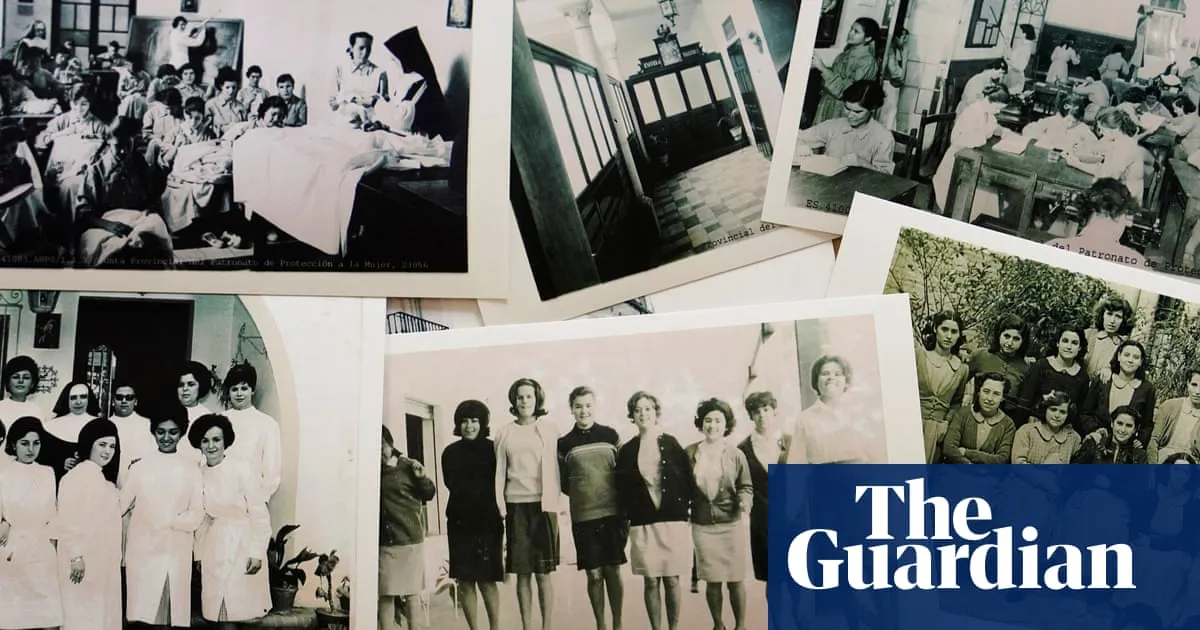
The Guardian - World NewsFIG 01
Reading time
2min
Word count
482words
Sources cited
2cited
Entities identified
9entities
Quality score
100%
§ 01
Briefing Summary
AI-generatedNEWSAR · AI
Spain will formally pardon 53 women incarcerated by the Franco regime through the Board for the Protection of Women. This board, overseen by Franco's wife, imprisoned women deemed "fallen" or at risk of deviating from Catholic norms, starting in 1941 and lasting until 1985. The women were often detained as adolescents in institutions run by religious orders. The government will recognize the 53 survivors as victims of Francoist repression, nullifying any punishments they suffered. The Ministry of Democratic Memory has received 1,600 declarations from women who were in these institutions, with reasons for detention including suspicion of lesbianism or being "too fond of the street." The board's actions were supported by public complicity, with people denouncing young women to the authorities.
Confidence 0.90Sources 2Claims 5Entities 9
§ 02
Article analysis
Model · rule-basedFraming
Human Rights
Social Justice
Tone
Measured
AI-assessed
CalmNeutralAlarmist
Factuality
0.80 / 1.00
Factual
LowHigh
Sources cited
2
Limited
FewMany
§ 03
Key claims
5 extracted01
People had assimilated the ideas of what made a ‘good’ or a ‘bad’ woman.
quoteCarmen Guillén
Confidence
1.00
02
The government department has so far received 1,600 declarations from women who passed through the institutions.
statistic
Confidence
1.00
03
The board was not closed down until 1985, 10 years after Franco’s death.
factual
Confidence
1.00
04
The women were locked up as adolescents by the Board for the Protection of Women.
factual
Confidence
1.00
05
Spain is to formally pardon 53 women incarcerated by the Franco regime.
factual
Confidence
1.00
§ 04
Full report
2 min read · 482 words§ 05
Entities
9 identifiedKey playerOppositionContextPositiveNeutralNegative
People4
Organizations2
§ 06
Keywords & salience
10 termsfranco regime
1.00
board for the protection of women
0.90
pardon
0.80
women
0.80
repression
0.70
francoist repression
0.70
spain
0.60
gender norms
0.60
victims
0.50
catholic church
0.50
§ 07
Topic connections
Interactive graph No topic relationship data available yet. This graph will appear once topic relationships have been computed.