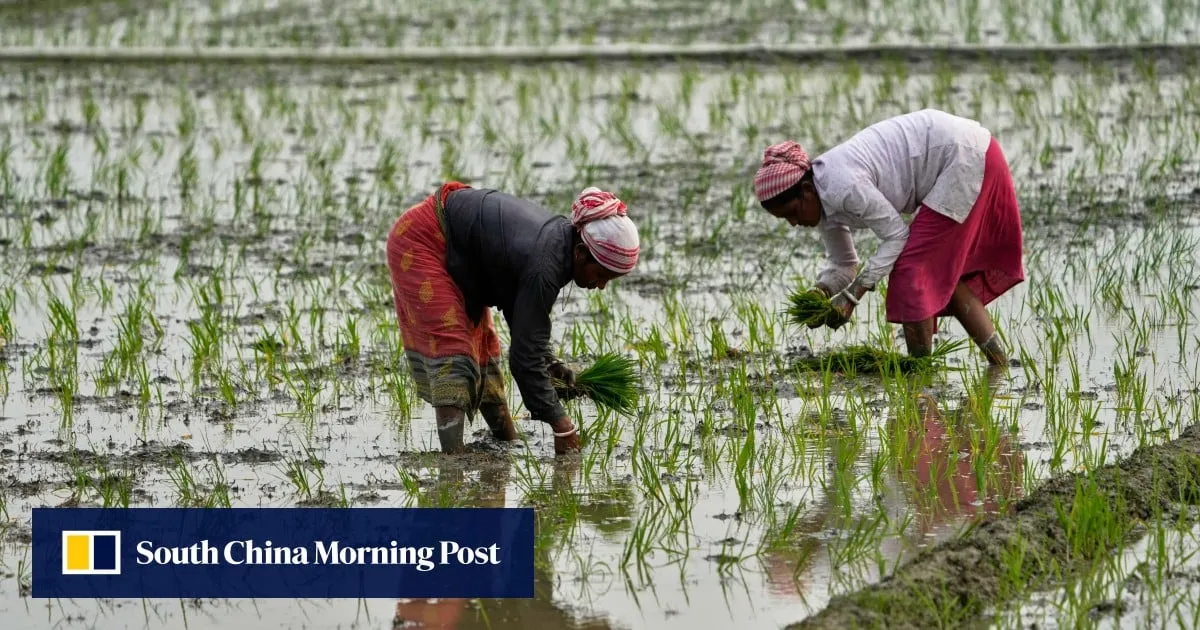
How does a missile strike on a Qatari gas plant end up raising the price of rice in Bangladesh? The answer is fertiliser, an unglamorous commodity that nevertheless sustains much of what the world eats.Qatar burns natural gas to produce ammonia. Ammonia is converted into urea. Urea goes into the ground and out of the ground comes grain.Disrupt the first step, as Iran did when it struck QatarEnergy’s liquefied natural gas (LNG) processing facility on March 1, and the consequences travel along the chain with a slow, compounding logic that no ceasefire can quickly reverse.The price of urea in Southeast Asia has already jumped more than 40 per cent since Qatar’s LNG plant went offline. By Monday, shipments for April and May were trading above US$700 per tonne, the highest since the third quarter of 2022 when Russia’s war in Ukraine upended global supplies.QatarEnergy’s liquefied natural gas facility in Ras Laffan Industrial City suspended production on March 2. Photo: AFPThe Gulf currently accounts for about 45 per cent of global urea exports.
SRCSouth China Morning Post
LANGEN
LEANCenter-Right
WORDS172
ENT9
WED · 2026-03-11 · 08:00 GMTBRIEF NSR-2026-0311-23451
NSR-2026-0311-23451News Report·EN·Economic Impact
War on Iran threatens Asia’s food supply as fertiliser prices surge
A recent Iranian missile strike on a Qatari gas plant has triggered a surge in fertilizer prices across Asia, threatening the region's food supply. The attack, which occurred on March 1st and halted production at QatarEnergy's LNG facility, disrupted the production of ammonia, a key component in urea fertilizer.
Tom HussainSouth China Morning PostFiled 2026-03-11 · 08:00 GMTLean · Center-RightRead · 1 min
South China Morning PostFIG 01
Reading time
1min
Word count
172words
Sources cited
1cited
Entities identified
9entities
Quality score
100%
§ 01
Briefing Summary
AI-generatedNEWSAR · AI
A recent Iranian missile strike on a Qatari gas plant has triggered a surge in fertilizer prices across Asia, threatening the region's food supply. The attack, which occurred on March 1st and halted production at QatarEnergy's LNG facility, disrupted the production of ammonia, a key component in urea fertilizer. Consequently, urea prices in Southeast Asia have increased by over 40%, reaching levels not seen since the Russia-Ukraine war impacted global supplies in 2022. With the Gulf region responsible for nearly half of global urea exports, the disruption is expected to have a significant impact on agricultural yields and food costs, particularly in countries like Bangladesh that rely on imported fertilizers. The price increase is already affecting shipments scheduled for April and May.
Confidence 0.90Sources 1Claims 5Entities 9
§ 02
Article analysis
Model · rule-basedFraming
Economic Impact
Conflict
Tone
Mixed Tone
AI-assessed
CalmNeutralAlarmist
Factuality
0.70 / 1.00
Factual
LowHigh
Sources cited
1
Limited
FewMany
§ 03
Key claims
5 extracted01
QatarEnergy’s liquefied natural gas facility in Ras Laffan Industrial City suspended production on March 2.
factual
Confidence
1.00
02
The Gulf currently accounts for about 45 per cent of global urea exports.
statistic
Confidence
0.90
03
Shipments for April and May were trading above US$700 per tonne, the highest since the third quarter of 2022.
statistic
Confidence
0.90
04
The price of urea in Southeast Asia has jumped more than 40 per cent since Qatar’s LNG plant went offline.
statistic
Confidence
0.90
05
A missile strike on a Qatari gas plant could raise the price of rice in Bangladesh due to fertilizer price increases.
factual
Confidence
0.80
§ 04
Full report
1 min read · 172 words§ 05
Entities
9 identifiedKey playerOppositionContextPositiveNeutralNegative
Organizations1
§ 06
Keywords & salience
8 termsfertiliser prices
0.90
urea
0.80
food supply
0.70
natural gas
0.60
lng
0.60
grain
0.50
qatar
0.50
asia
0.40
§ 07
Topic connections
Interactive graph Network visualization showing 51 related topics
View Full Graph Person Organization Location Event|Click node to navigate|Edge numbers = shared articles