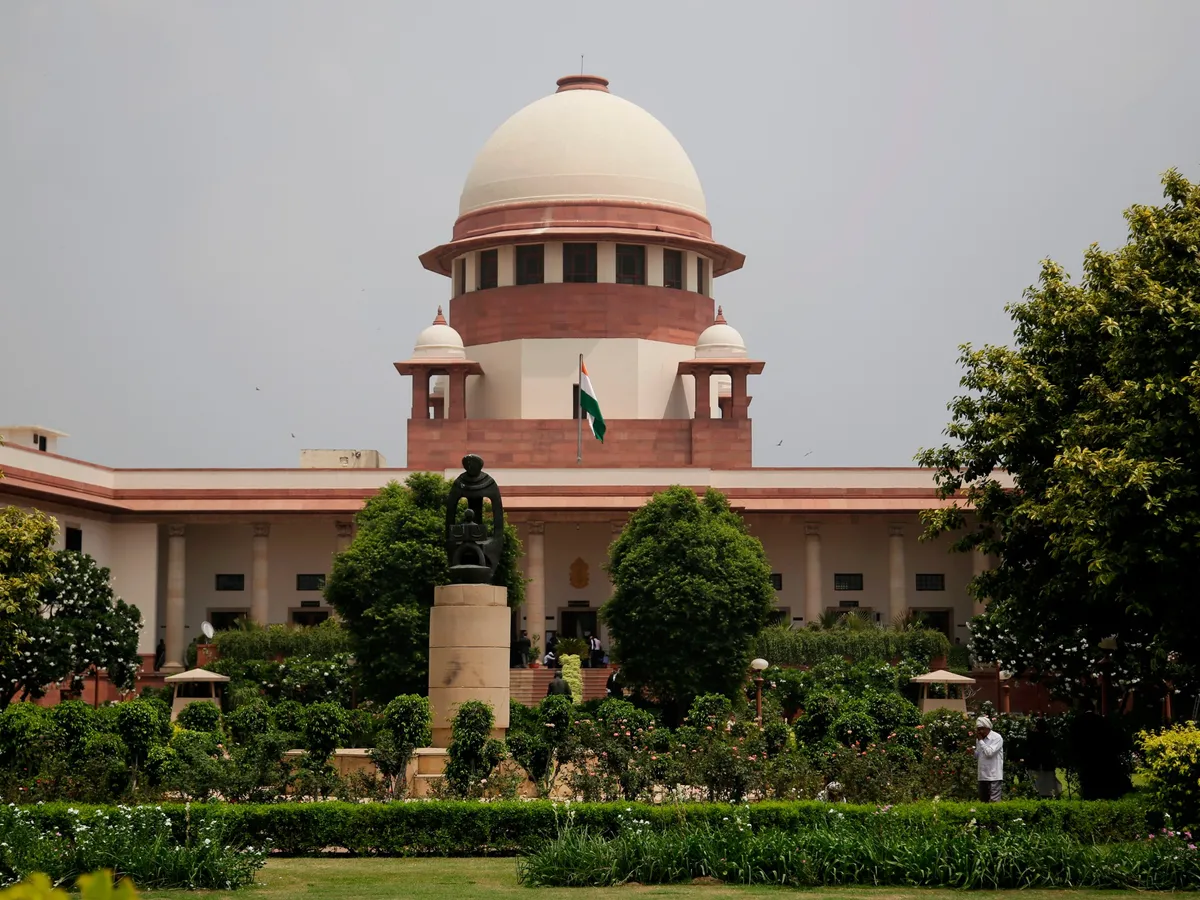
Withdrawal of artificial life support granted to family of 32-year-old man who has been in a vegetative state for more than 12 years.Published On 11 Mar 2026India’s Supreme Court has allowed the country’s first case of passive euthanasia – withdrawal of artificial life support – for a 32-year-old man who has been in a vegetative state for more than 12 years.A bench of Justices J B Pardiwala and K V Viswanathan on Wednesday permitted the withdrawal of life support to Harish Rana, a resident of the northern state of Uttar Pradesh, who suffered severe head injuries after falling from a building in 2013.Recommended Stories list of 4 itemslist 1 of 4India’s Supreme Court allows ‘passive euthanasia’list 2 of 4Slovenia referendum: Where is assisted dying legal?list 3 of 4Death doulas and end-of-life rights: The debate on assisted dyinglist 4 of 4‘I love life’: The man who has scheduled his death so he can enjoy livingend of list“The patient’s next of kin and the medical boards have reached the opinion that CAN [clinically administered nutrition] administration should be discontinued,” the India" class="entity-link entity-organization" data-entity-id="32432" data-entity-type="organization">Press Trust of India news agency quoted the Supreme Court bench as saying.The court was hearing a petition filed by Rana’s father, seeking permission to withdraw life-sustaining treatment for his son. The family said Rana was being kept artificially alive.The court in its ruling said Rana exhibited “no meaningful interaction” and had been dependent on others for “all activities of self-care”.“His condition has shown no improvement,” the court was quoted as saying by legal news website, Bar and Bench.India recognised passive euthanasia in 2018, permitting the removal of life support under strict conditions to allow death to occur naturally. But this marks the first time that a court has approved its use for an individual.Doctors had already concluded that Rana has virtually no chance of recovery.But because he does not have a living will – a legally binding document outlining preferences for medical care in the event of a terminal condition – he has not been able to give his consent for passive euthanasia.
SRCAl Jazeera
LANGEN
LEANCenter
WORDS342
ENT8
WED · 2026-03-11 · 10:39 GMTBRIEF NSR-2026-0311-23457
NSR-2026-0311-23457News Report·EN·Legal & Judicial
India’s Supreme Court allows first-ever passive euthanasia death
In March 2026, India's Supreme Court approved the country's first case of passive euthanasia, allowing the withdrawal of life support for Harish Rana, a 32-year-old man from Uttar Pradesh who has been in a vegetative state since 2013 due to severe head injuries. The decision, made by Justices J B Pardiwala and K V Viswanathan, followed a petition by Rana's father seeking to end life-sustaining treatment.
By AFP and AnadoluAl JazeeraFiled 2026-03-11 · 10:39 GMTLean · CenterRead · 2 min
Al JazeeraFIG 01
Reading time
2min
Word count
342words
Sources cited
3cited
Entities identified
8entities
Quality score
100%
§ 01
Briefing Summary
AI-generatedNEWSAR · AI
In March 2026, India's Supreme Court approved the country's first case of passive euthanasia, allowing the withdrawal of life support for Harish Rana, a 32-year-old man from Uttar Pradesh who has been in a vegetative state since 2013 due to severe head injuries. The decision, made by Justices J B Pardiwala and K V Viswanathan, followed a petition by Rana's father seeking to end life-sustaining treatment. The court noted Rana's lack of meaningful interaction and dependence on others, with no prospect of recovery. While India recognized passive euthanasia in 2018, this is the first instance of court-approved withdrawal of life support for an individual lacking a living will. The ruling was based on the consensus of the family and medical boards that clinically administered nutrition should be discontinued.
Confidence 0.90Sources 3Claims 5Entities 8
§ 02
Article analysis
Model · rule-basedFraming
Legal & Judicial
Human Interest
Tone
Measured
AI-assessed
CalmNeutralAlarmist
Factuality
0.90 / 1.00
Factual
LowHigh
Sources cited
3
Well sourced
FewMany
§ 03
Key claims
5 extracted01
India recognised passive euthanasia in 2018, permitting the removal of life support under strict conditions.
factual
Confidence
1.00
02
The patient’s next of kin and the medical boards have reached the opinion that clinically administered nutrition should be discontinued.
quotePress Trust of India news agency, quoting the Supreme Court bench
Confidence
1.00
03
Harish Rana, a 32-year-old man, has been in a vegetative state for more than 12 years after suffering head injuries in 2013.
factual
Confidence
1.00
04
India’s Supreme Court has allowed the country’s first case of passive euthanasia.
factual
Confidence
1.00
05
Doctors had already concluded that Rana has virtually no chance of recovery.
factual
Confidence
0.90
§ 04
Full report
2 min read · 342 words§ 05
Entities
8 identifiedKey playerOppositionContextPositiveNeutralNegative
Organizations3
§ 06
Keywords & salience
8 termspassive euthanasia
1.00
artificial life support
0.80
vegetative state
0.70
supreme court
0.60
withdrawal of treatment
0.60
living will
0.50
end-of-life
0.50
medical ethics
0.40
§ 07
Topic connections
Interactive graph No topic relationship data available yet. This graph will appear once topic relationships have been computed.