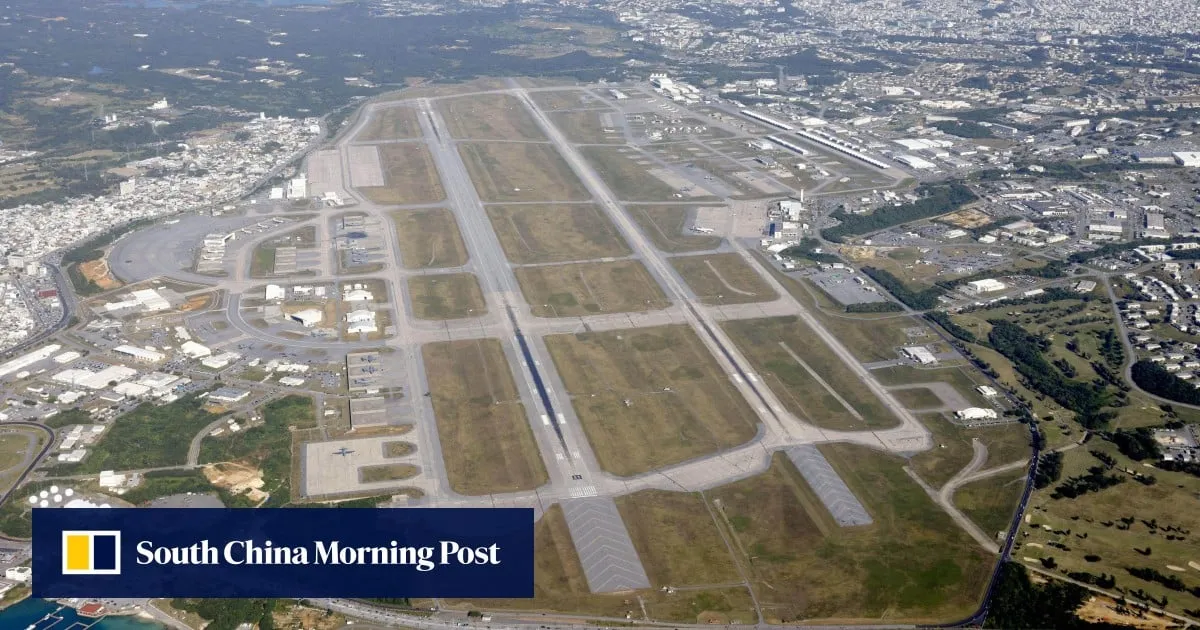
Iran’s retaliatory strikes on US military assets across the Middle East serve as a preview of how Beijing might target American bases in Asian countries in the event of a Taiwan Strait conflict, according to analysts.In retaliation for large-scale air attacks by the US and Israel since February 28, Iran has launched missiles and drones at Gulf states that host US military bases and facilities, including Saudi Arabia, Qatar and Kuwait.Those targets included Al-Udeid Air Base in Qatar, the largest US military base in the Middle East, which serves as the regional headquarters of the United States Central Command.At least 11 American military bases or installations across the Middle East have been damaged, around half of those in the region, according to a March 11 report by The New York Times, citing anonymous US officials.Analysts said the retaliatory strikes could serve as a template for a potential conflict in the Taiwan Strait, as Beijing might consider actions against US allies hosting American military assets such as Japan, the Philippines and South Korea.“These moves by Iran against nearby US military bases in the Persian Gulf region do absolutely highlight the possibility that in a Taiwan scenario that China would likely target US bases throughout the Asia-Pacific region,” said Lyle Goldstein, a senior fellow at Brown University’s Watson School of International and Public Affairs.
SRCSouth China Morning Post
LANGEN
LEANCenter-Right
WORDS222
ENT12
WED · 2026-03-11 · 14:00 GMTBRIEF NSR-2026-0311-23517
NSR-2026-0311-23517Analysis·EN·National Security
How Iran’s strikes on US bases could offer a preview for the Asia-Pacific
Iran's retaliatory strikes against US military assets across the Middle East, launched in response to large-scale air attacks by the US and Israel since February 28, have served as a preview of potential actions Beijing might take in a Taiwan Strait conflict. The targets included Al-Udeid Air Base in Qatar, the largest US military base in the region, which was damaged along with at least 11 other American military bases or installations across the Middle East.
Amber WangSouth China Morning PostFiled 2026-03-11 · 14:00 GMTLean · Center-RightRead · 1 min
South China Morning PostFIG 01
Reading time
1min
Word count
222words
Sources cited
2cited
Entities identified
12entities
Quality score
100%
§ 01
Briefing Summary
AI-generatedNEWSAR · AI
Iran's retaliatory strikes against US military assets across the Middle East, launched in response to large-scale air attacks by the US and Israel since February 28, have served as a preview of potential actions Beijing might take in a Taiwan Strait conflict. The targets included Al-Udeid Air Base in Qatar, the largest US military base in the region, which was damaged along with at least 11 other American military bases or installations across the Middle East. Analysts say these strikes could be a template for a potential conflict in the Asia-Pacific, as Beijing might target US allies hosting American military assets such as Japan, the Philippines, and South Korea. The attacks highlight the possibility that China would likely target US bases throughout the region if tensions escalate over Taiwan.
Confidence 0.90Sources 2Claims 4Entities 12
§ 02
Article analysis
Model · rule-basedFraming
National Security
Political Strategy
Tone
Measured
AI-assessed
CalmNeutralAlarmist
Factuality
0.60 / 1.00
Mixed
LowHigh
Sources cited
2
Limited
FewMany
§ 03
Key claims
4 extracted01
Iran launched missiles and drones at Gulf states hosting US military bases in retaliation for US and Israeli air attacks.
factualArticle
Confidence
0.90
02
At least 11 American military bases or installations across the Middle East have been damaged.
factualThe New York Times, citing anonymous US officials
Confidence
0.70
03
China would likely target US bases throughout the Asia-Pacific region in a Taiwan scenario.
predictionLyle Goldstein, Brown University
Confidence
0.60
04
Iran’s strikes could serve as a template for a potential conflict in the Taiwan Strait.
predictionAnalysts
Confidence
0.60
§ 04
Full report
1 min read · 222 words§ 05
Entities
12 identifiedKey playerOppositionContextPositiveNeutralNegative
People1
Organizations1
§ 06
Keywords & salience
10 termsus military bases
1.00
iran
0.90
asia-pacific
0.80
taiwan strait conflict
0.80
retaliatory strikes
0.70
china
0.70
middle east
0.60
military assets
0.50
us allies
0.50
persian gulf
0.40
§ 07
Topic connections
Interactive graph Network visualization showing 51 related topics
View Full Graph Person Organization Location Event|Click node to navigate|Edge numbers = shared articles