From AirAsia to Qantas, airlines raise fares as Iran war fuels oil price surgeSoaring oil prices are forcing several airlines in Asia and Europe to increase fares and fuel surcharges, hitting global travel2-MIN READ2-MINPublished: 5:33pm, 12 Mar 2026Airlines across Europe and Asia are increasing fares and raising fuel surcharges as the Iran war sends oil prices swinging wildly and stokes fears of jet fuel shortages if the fighting persists.Demand for alternative routes that bypass the Middle East is also surging, pushing up ticket prices. More than 43,000 flights scheduled in and out of the Middle East were cancelled between February 28 and March 10, according to data from analytics firm Cirium.Here is a rolling list of airlines that have announced increases to fares and fuel surcharges:AirAsiaSoutheast Asia’s biggest budget carrier has raised fares and adjusted fuel surcharges, but without specifying by how much. The airline said it will “dynamically monitor market conditions and react proactively as and when needed”.Air IndiaAir India and Air India Express will phase in fuel surcharges across domestic and international routes from March 12.Air New ZealandThe airline said on Tuesday that it will raise fares by an unspecified amount and may need to take further pricing action and adjust its network and schedule if fuel costs remain elevated. The company also suspended its earnings guidance, saying assumptions on fuel costs announced late last month are no longer valid.Cathay PacificCathay Pacific Airways is doubling its passenger fuel surcharge starting March 18. The levy on a long-haul flight will rise to HK$1,164 (US$149) from HK$569. Short- and medium-haul surcharges will increase by a similar ratio, according to the carrier.FinnairIn the aftermath of Russia’s invasion of Ukraine, the Finnish carrier pivoted to relying on a long-haul network that flew to Doha and Dubai. The airline has cancelled all flights through those cities at least through the end of this month, and it says the current turmoil in oil markets will be reflected in ticket prices. Thus, there is no need for a separate fuel charge.Hong Kong AirlinesHong Kong Airlines increased fuel surcharges, starting Thursday, on a range of routes, including a 35 per cent increase, or HK$100 (US$12.80), to the Maldives, Nepal and Bangladesh. The levy on long-haul destinations including Australia and North America will rise HK$150 to HK$739.02:00Iran war sends oil prices surging, prompting panic buying and rationing in parts of AsiaIran war sends oil prices surging, prompting panic buying and rationing in parts of AsiaJapan AirlinesJAL, which already applies a fuel surcharge on international routes, said it has no plans to bring forward changes to levies before April 1.Norse AtlanticThe Norwegian budget airline said higher oil prices are likely to be reflected in fares or as a specific surcharge.QantasAustralia’s largest carrier is raising fares on international routes by around 5 per cent on average. Jet fuel prices have risen by as much as 150 per cent in the past two weeks, which is driving up costs across the business, Qantas said. Flights on European routes, including Perth-London, Perth-Paris and services via Singapore, are more than 90 per cent full this month, up from a typical load factor of 75 per cent at this time of year.SASThe Scandinavian carrier introduced what it is calling temporary fuel-related price adjustments, given the rapid increase in oil prices.SpiceJetFounder Ajay Singh said carriers will have “no choice” but to impose a fuel surcharge. He is looking for the government to lower jet fuel taxes, warning that even US$90 a barrel oil is “completely unsustainable”. Singh said SpiceJet has considered grounding planes if high oil prices persist and that airlines may have to rethink their expansion plans in such an environment.Thai AirwaysThe carrier is planning to raise ticket prices 10 per cent to 15 per cent to cover surging fuel costs.Virgin AtlanticThe UK-based airline hedges against high oil prices, though it has a dynamic pricing system based on passenger demand.
SRCSouth China Morning Post
LANGEN
LEANCenter-Right
WORDS647
ENT12
THU · 2026-03-12 · 09:33 GMTBRIEF NSR-2026-0312-23806
NSR-2026-0312-23806News Report·EN·Economic Impact
From AirAsia to Qantas, airlines raise fares as Iran war fuels oil price surge
Airlines in Asia and Europe, including AirAsia, Qantas, Air India, Air New Zealand, Cathay Pacific, Finnair, and Hong Kong Airlines, are increasing fares and fuel surcharges due to surging oil prices caused by the Iran war. Announced on March 12, 2026, these adjustments are a response to volatile oil markets and potential jet fuel shortages.
BloombergSouth China Morning PostFiled 2026-03-12 · 09:33 GMTLean · Center-RightRead · 3 min
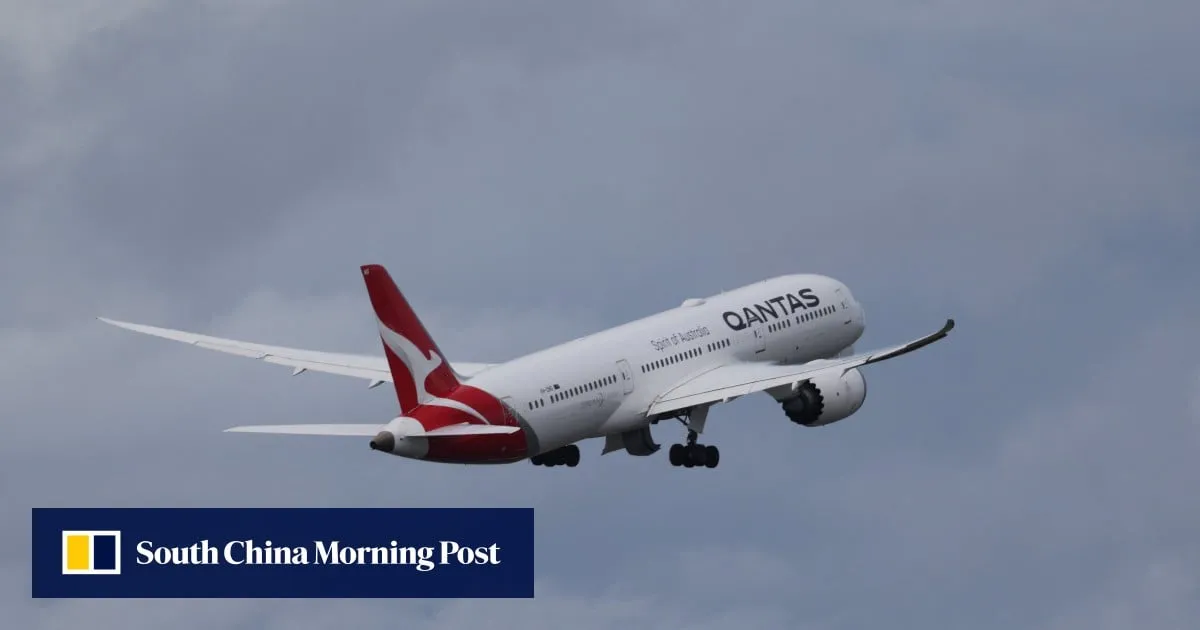
South China Morning PostFIG 01
Reading time
3min
Word count
647words
Sources cited
1cited
Entities identified
12entities
Quality score
100%
§ 01
Briefing Summary
AI-generatedNEWSAR · AI
Airlines in Asia and Europe, including AirAsia, Qantas, Air India, Air New Zealand, Cathay Pacific, Finnair, and Hong Kong Airlines, are increasing fares and fuel surcharges due to surging oil prices caused by the Iran war. Announced on March 12, 2026, these adjustments are a response to volatile oil markets and potential jet fuel shortages. The conflict has also led to the cancellation of over 43,000 flights in and out of the Middle East between February 28 and March 10, increasing demand for alternative routes and further driving up ticket prices. Some airlines are suspending earnings guidance due to the unpredictable fuel costs.
Confidence 0.90Sources 1Claims 5Entities 12
§ 02
Article analysis
Model · rule-basedFraming
Economic Impact
Conflict
Tone
Measured
AI-assessed
CalmNeutralAlarmist
Factuality
0.80 / 1.00
Factual
LowHigh
Sources cited
1
Limited
FewMany
§ 03
Key claims
5 extracted01
Qantas is raising fares on international routes by around 5 per cent.
factualQantas
Confidence
1.00
02
Hong Kong Airlines increased fuel surcharges, starting Thursday, on a range of routes.
factualHong Kong Airlines
Confidence
1.00
03
Cathay Pacific Airways is doubling its passenger fuel surcharge starting March 18.
factualCathay Pacific Airways
Confidence
1.00
04
More than 43,000 flights scheduled in and out of the Middle East were cancelled between February 28 and March 10.
statisticCirium
Confidence
1.00
05
Airlines across Europe and Asia are increasing fares and raising fuel surcharges.
factual
Confidence
1.00
§ 04
Full report
3 min read · 647 words§ 05
Entities
12 identifiedKey playerOppositionContextPositiveNeutralNegative
Organizations8
§ 06
Keywords & salience
8 termsoil price surge
0.90
airline fares
0.90
fuel surcharges
0.80
iran war
0.70
jet fuel shortages
0.60
middle east
0.60
alternative routes
0.50
flight cancellations
0.50
§ 07
Topic connections
Interactive graph Network visualization showing 51 related topics
View Full Graph Person Organization Location Event|Click node to navigate|Edge numbers = shared articles