What lessons does Taiwan see from Iran and Ukraine for its air-defence strategy?
AI Summary
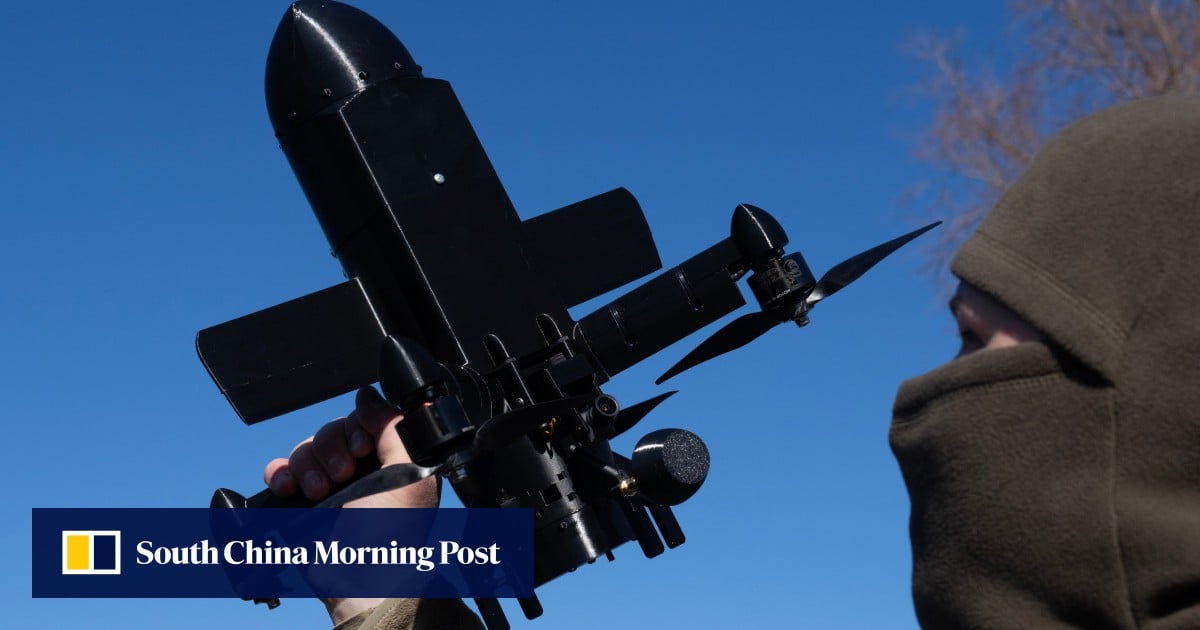
Taiwan is reevaluating its air defense strategy in light of lessons from the Iran-US, Israel-Iran, and Ukraine conflicts. The defense ministry warned lawmakers on Monday that expensive missiles alone are insufficient to defend against large-scale rocket and drone attacks. To counter China's growing arsenal, Taiwan plans to urgently acquire low-cost interceptor weapons as part of its "Taiwan Shield" or T-Dome layered air-defense system. This system aims to protect critical infrastructure and maintain defensive operations during potential conflict. The ministry emphasized that recent conflicts demonstrate how inexpensive weapons can overwhelm traditional air defenses, making missile defense and counter-drone capabilities crucial.
Article Analysis
Key Claims (5)
AI-ExtractedNew systems will be part of Taiwan’s planned “Taiwan Shield”, or T-Dome.
Conflicts showed how cheap weapons can overwhelm traditional air-defence systems.
Low-cost interceptor weapons are urgently needed to counter mainland China's military.
Taiwan is rethinking its air-defence strategy based on lessons from Iran and Ukraine.
Expensive missiles alone cannot stop large waves of rockets and drones.
Key Entities & Roles
Keywords
Sentiment Analysis
Source Transparency
This article was automatically classified using rule-based analysis.
Topic Connections
Explore how the topics in this article connect to other news stories
Find Similar Articles
AI-PoweredDiscover articles with similar content using semantic similarity analysis.