How badly has the Iran war hit the global economy? The tell-tale signs
AI Summary
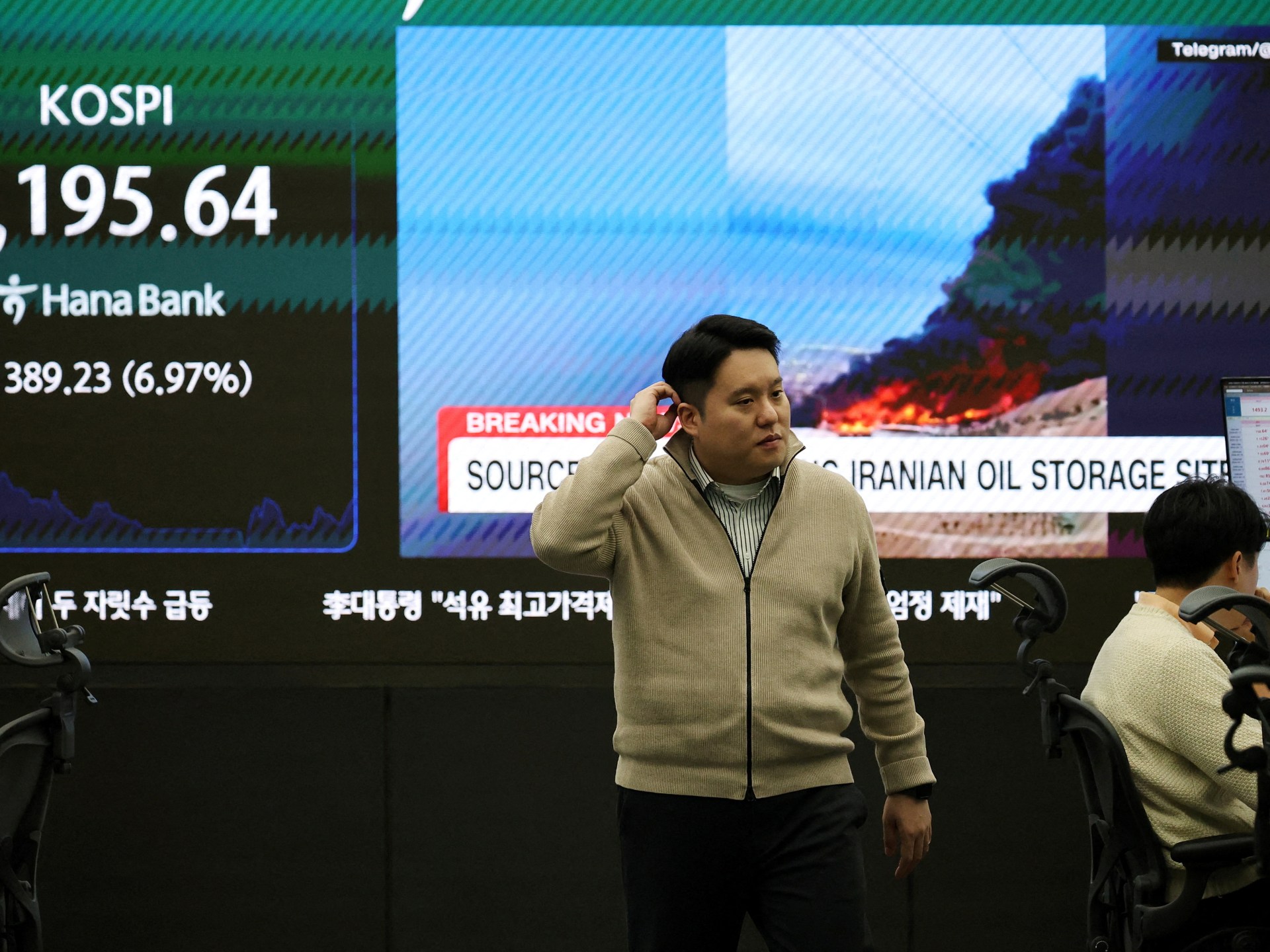
The United States-Israeli war on Iran, which began on February 28, 2026, has significantly impacted the global economy. Iran's retaliatory strikes, including attacks on vessels in the Strait of Hormuz, have disrupted global financial and energy markets. Oil prices have surged, with Brent crude rising over 40% to $106 per barrel, and LNG prices have increased by almost 60%. QatarEnergy suspended LNG production after an Iranian drone attack, further straining the market. Countries, particularly in Asia, are seeking alternative energy supplies at higher prices due to disruptions in the Strait of Hormuz, a crucial transit point for oil and gas. These events raise concerns about a potential global economic crisis or recession.
Article Analysis
Key Claims (5)
AI-ExtractedAbout 84 percent of the crude oil and 83 percent of the LNG that passed through the strait in 2024 was bound for Asia.
Brent crude was priced at $106 per barrel, up more than 40 percent from $72 per barrel on February 27.
QatarEnergy suspended its LNG production after an Iranian drone attack.
Liquified natural gas (LNG) prices have risen almost 60 percent since the start of the war.
The US-Israeli war on Iran and Tehran’s retaliatory strikes have upended global financial and energy markets.
Key Entities & Roles
Keywords
Sentiment Analysis
Source Transparency
This article was automatically classified using rule-based analysis.
Topic Connections
Explore how the topics in this article connect to other news stories
Find Similar Articles
AI-PoweredDiscover articles with similar content using semantic similarity analysis.