The war in Iran, culminating in the de facto closure of the Strait of Hormuz, has again exposed the world’s energy and maritime sector to acute vulnerabilities. The spike in oil prices and surging freight rates may grab headlines, but beneath these shocks lie fundamental questions about Asia’s – and Hong Kong’s – energy security, the resilience of shipping risk management and the urgent need to transform our maritime industry for a greener future.The Strait of Hormuz is not just a geopolitical hotspot – it’s the jugular vein of the world’s energy trade. Roughly one-fifth of global oil and liquefied natural gas (LPG) passes through its narrow waters. As conflict flared in Iran, leading shipping companies, including Maersk and Hapag-Lloyd, diverted vessels around the Cape of Good Hope, lengthening journey times and reducing global shipping capacity.The result: higher shipping and energy costs that hit businesses and consumers worldwide. Importantly, these shocks are not one-offs. Years of sanctions on Iranian and Russian fleets had trimmed global tanker capacity. With vessels stranded on both ends of the strait, market jitters quickly translate into price hikes.Asia’s giants are disproportionately exposed to oil transiting through the Strait of Hormuz: Japan gets 90 per cent of its crude from the region, South Korea about 70 per cent. By comparison, China’s energy security strategy – diversifying imports and expanding renewables – has reduced its direct reliance.According to the World Bank, imported energy covers just above 20 per cent of China’s consumption. That relative insulation has rippled through markets; stock indices in Japan and South Korea reacted with greater volatility than those in Hong Kong and mainland China.Hong Kong is a beneficiary of this mainland connection. The city’s 2024 Energy Statistics Report shows that over 80 per cent of its natural gas, LPG, aviation petrol and kerosene imports originate from mainland China. Still, about half of Hong Kong’s total energy import is destined for international bunkering. Any severe disruption – whether through maritime conflict or reassessments of shipping insurance – places our reputation as a global shipping hub at risk.04:04How US-Israeli strikes on Iran are sending shock waves through global energy marketsHow US-Israeli strikes on Iran are sending shock waves through global energy markets
SRCSouth China Morning Post
LANGEN
LEANCenter-Right
WORDS367
ENT12
MON · 2026-03-16 · 21:30 GMTBRIEF NSR-2026-0316-25103
NSR-2026-0316-25103Analysis·EN·Economic Impact
Iran war shows urgency of Hong Kong’s green shipping transition
The conflict in Iran and potential closure of the Strait of Hormuz highlights vulnerabilities in global energy and maritime sectors, particularly for Asian economies. The Strait is a critical route for oil and liquefied natural gas, and disruptions lead to increased shipping costs and reduced capacity as companies reroute vessels.
Ryan Ip,David Yu Chak-waiSouth China Morning PostFiled 2026-03-16 · 21:30 GMTLean · Center-RightRead · 2 min
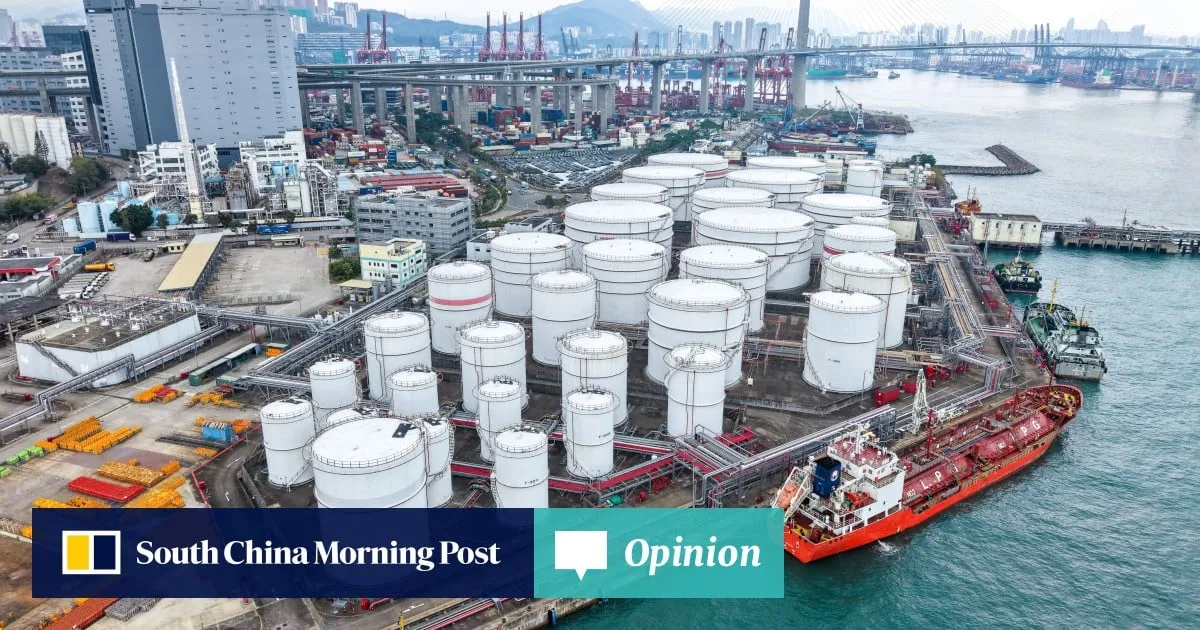
South China Morning PostFIG 01
Reading time
2min
Word count
367words
Sources cited
1cited
Entities identified
12entities
Quality score
100%
§ 01
Briefing Summary
AI-generatedNEWSAR · AI
The conflict in Iran and potential closure of the Strait of Hormuz highlights vulnerabilities in global energy and maritime sectors, particularly for Asian economies. The Strait is a critical route for oil and liquefied natural gas, and disruptions lead to increased shipping costs and reduced capacity as companies reroute vessels. Countries like Japan and South Korea, heavily reliant on energy imports through the Strait, are more exposed than China, which has diversified its energy sources. While Hong Kong benefits from energy imports from mainland China, its role as a global shipping hub is threatened by potential disruptions to international bunkering. The situation underscores the urgency for Hong Kong and other regions to transition to greener shipping and enhance energy security.
Confidence 0.90Sources 1Claims 5Entities 12
§ 02
Article analysis
Model · rule-basedFraming
Economic Impact
Environmental
Tone
Measured
AI-assessed
CalmNeutralAlarmist
Factuality
0.70 / 1.00
Factual
LowHigh
Sources cited
1
Limited
FewMany
§ 03
Key claims
5 extracted01
Imported energy covers just above 20 per cent of China’s consumption, according to the World Bank.
statisticWorld Bank
Confidence
1.00
02
Over 80 per cent of Hong Kong's natural gas, LPG, aviation petrol and kerosene imports originate from mainland China.
statistic
Confidence
0.90
03
Japan gets 90 per cent of its crude from the region, South Korea about 70 per cent.
statistic
Confidence
0.90
04
Roughly one-fifth of global oil and liquefied natural gas (LPG) passes through the Strait of Hormuz.
statistic
Confidence
0.90
05
The war in Iran has exposed the world’s energy and maritime sector to acute vulnerabilities.
factual
Confidence
0.80
§ 04
Full report
2 min read · 367 words§ 05
Entities
12 identifiedKey playerOppositionContextPositiveNeutralNegative
§ 06
Keywords & salience
10 termsgreen shipping
0.90
energy security
0.80
strait of hormuz
0.80
maritime industry
0.70
shipping risk management
0.60
oil prices
0.60
hong kong
0.50
energy transition
0.50
freight rates
0.50
maritime conflict
0.40
§ 07
Topic connections
Interactive graph Network visualization showing 51 related topics
View Full Graph Person Organization Location Event|Click node to navigate|Edge numbers = shared articles