Cannabis is not an effective treatment for common mental health conditions despite the global surge in patients using it for that purpose, a review has found.Researchers concluded there was “very little evidence for its efficacy” in treating anxiety, anorexia nervosa, psychotic disorders, post-traumatic stress disorder or opioid use disorder.Experts from universities in Sydney, Brisbane and Melbourne in Australia and Bath in England undertook the largest and most comprehensive analysis to date of the evidence for using cannabinoids – cannabis-based therapies – to treat substance misuse and mental health disorders.Their review was prompted by the legalisation of cannabis as a treatment for both types of condition by countries including the US, the UK, Australia and Canada.Evidence from clinics that dispense cannabis for medical purposes say mental illnesses such as anxiety and depression are the main reasons cited by patients, followed by chronic pain, with some suffering from both.The medical products can reduce dependence on cannabis, relieve the symptoms of Tourette syndrome and help insomniacs sleep better, according to some evidence analysed by the researchers. They also seem to help reduce autistic traits displayed by those with autism spectrum disorder, although those findings were based on “low” quality evidence.However, there was no reason to believe medicinal cannabis helped tackle mental health conditions, the researchers added.“There were no significant effects on outcomes associated with anxiety, anorexia nervosa, psychotic disorders, post-traumatic stress disorder and opioid use disorders,” they wrote in The Lancet Psychiatry after reviewing 54 randomised controlled trials involving 2,477 participants.There was too little evidence as to whether cannabinoids helped to tackle attention deficit hyperactivity disorder, bipolar disorder, obsessive compulsive disorder and tobacco use disorder, and none at all for whether it was an effective treatment for depression.“Given the scarcity of evidence, the routine use of cannabinoids for the treatment of mental disorders and substance use disorders is currently rarely justified,” the researchers concluded.Sir Robin Murray, a professor of psychiatric research at King’s College London, said: “While people such as me consider that the therapeutic benefits of cannabis are extremely limited, and the side effects common, the world doesn’t believe this.“Bolstered by the claims of the cannabis industry and the rapidly increasing cannabis clinics in the UK, many people are misled into using cannabis to treat their problems. In my view, the UK cannabis clinics operate as drug dealers for the middle class.”But a trade body insisted cannabis did relieve the symptoms of anxiety and post-traumatic stress.Mike Morgan-Giles, the chief executive of the Cannabis Industry Council, said it was vital that patients with psychiatric conditions could access the treatment they needed.He added: “Real-world evidence including findings from T21 consistently shows that medical cannabis reduces symptoms for patients with anxiety and post-traumatic stress.“Regrettably, this latest paper adds more heat than light and does not adequately reflect how clinical prescribing is undertaken in the UK.”The Advisory Council on the Misuse of Drugs, which briefs UK ministers, is conducting a review into how the legalisation of cannabis-based products in 2018 is working, including any “unintended consequences”.Prof Owen Bowden-Jones, registrar of the Royal College of Psychiatrists, said of the Lancet research: “This rigorously conducted study gives us the clearest indication yet that the benefits of cannabis as a medicine may have been overstated for many conditions.“While these products have evidence of modest benefit for some addictions, they should not at present be offered for the many mental illnesses for which no benefit was found.“It is vital that patients are provided with accurate and transparent information about these products so that they can make informed decisions about their care and treatment.”
SRCThe Guardian - World News
LANGEN
LEANCenter-Left
WORDS593
ENT11
MON · 2026-03-16 · 23:30 GMTBRIEF NSR-2026-0317-25132
NSR-2026-0317-25132News Report·EN·Public Health
Cannabis is not an effective treatment for common mental health conditions, says review
A comprehensive review published in The Lancet Psychiatry has found little evidence that cannabis-based therapies are effective in treating common mental health conditions. Researchers from universities in Australia and England analyzed 54 randomized controlled trials involving 2,477 participants, prompted by the increasing legalization and use of cannabis for mental health treatment in countries like the US, UK, Australia, and Canada.
Denis Campbell Health policy editorThe Guardian - World NewsFiled 2026-03-16 · 23:30 GMTLean · Center-LeftRead · 3 min
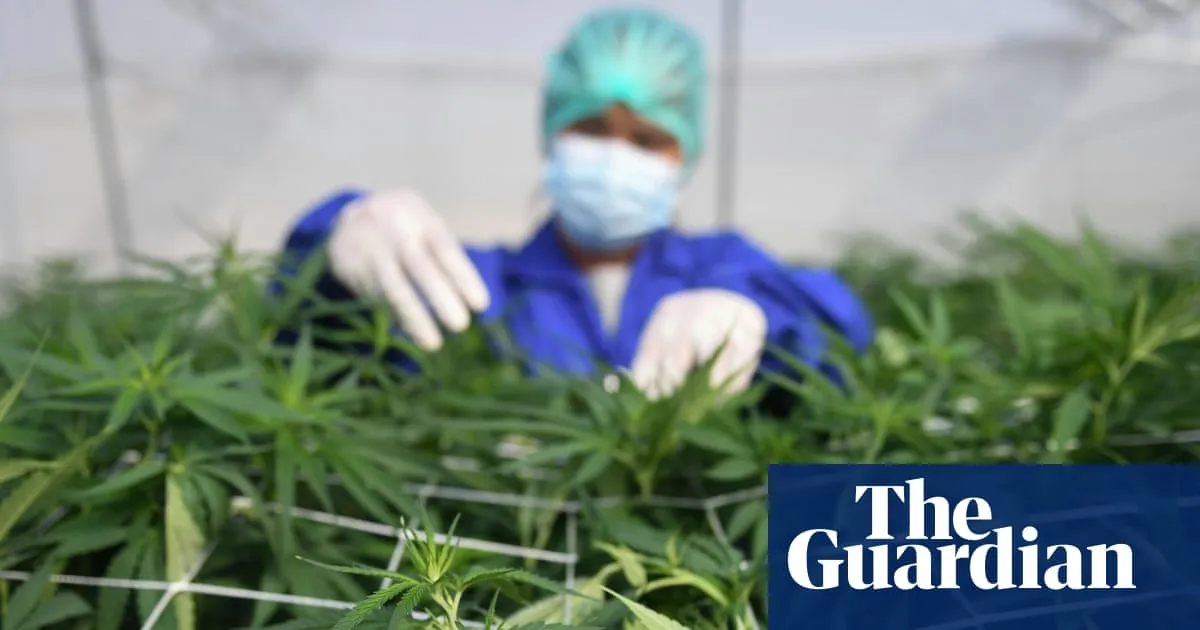
The Guardian - World NewsFIG 01
Reading time
3min
Word count
593words
Sources cited
4cited
Entities identified
11entities
Quality score
100%
§ 01
Briefing Summary
AI-generatedNEWSAR · AI
A comprehensive review published in The Lancet Psychiatry has found little evidence that cannabis-based therapies are effective in treating common mental health conditions. Researchers from universities in Australia and England analyzed 54 randomized controlled trials involving 2,477 participants, prompted by the increasing legalization and use of cannabis for mental health treatment in countries like the US, UK, Australia, and Canada. The review found no significant effects on anxiety, anorexia nervosa, psychotic disorders, PTSD, or opioid use disorder. While some evidence suggests potential benefits for Tourette's, insomnia, and autism spectrum disorder, the researchers concluded that the routine use of cannabinoids for mental health and substance use disorders is rarely justified due to the scarcity of supporting evidence.
Confidence 0.90Sources 4Claims 5Entities 11
§ 02
Article analysis
Model · rule-basedFraming
Public Health
Legal & Judicial
Tone
Measured
AI-assessed
CalmNeutralAlarmist
Factuality
0.70 / 1.00
Factual
LowHigh
Sources cited
4
Well sourced
FewMany
§ 03
Key claims
5 extracted01
The review analyzed 54 randomised controlled trials involving 2,477 participants.
statisticArticle
Confidence
1.00
02
There was “very little evidence for its efficacy” in treating anxiety, anorexia nervosa, psychotic disorders, PTSD or opioid use disorder.
quoteResearchers
Confidence
1.00
03
Cannabis is not an effective treatment for common mental health conditions.
factualResearchers
Confidence
0.90
04
UK cannabis clinics operate as drug dealers for the middle class.
quoteSir Robin Murray
Confidence
0.80
05
The medical products can reduce dependence on cannabis, relieve the symptoms of Tourette syndrome and help insomniacs sleep better.
factualResearchers (analysis of evidence)
Confidence
0.70
§ 04
Full report
3 min read · 593 words§ 05
Entities
11 identifiedKey playerOppositionContextPositiveNeutralNegative
People1
Organizations2
§ 06
Keywords & salience
10 termscannabis
1.00
mental health conditions
0.90
efficacy
0.70
cannabinoids
0.60
opioid use disorder
0.60
anxiety
0.60
post-traumatic stress disorder
0.60
psychotic disorders
0.60
medicinal cannabis
0.50
substance use disorders
0.50
§ 07
Topic connections
Interactive graph Network visualization showing 51 related topics
View Full Graph Person Organization Location Event|Click node to navigate|Edge numbers = shared articles