China targets hydrogen push as Strait of Hormuz crisis jolts energy markets
AI Summary
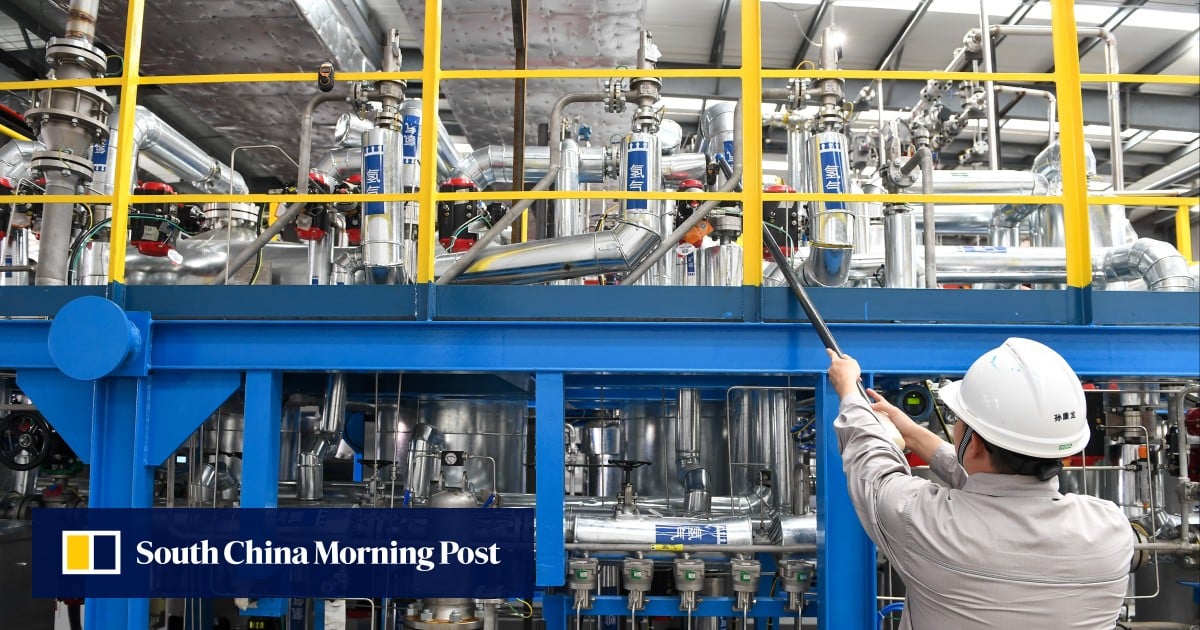
China is initiating a pilot program to increase the industrial use of hydrogen energy, motivated partly by recent disruptions to global fossil fuel supplies stemming from conflict in the Middle East. Announced by the Ministry of Industry and Information Technology, the program aims to reduce the average hydrogen price for end users to below 25 yuan per kilogram by 2030, with a lower target in select regions. The initiative will focus on urban areas, targeting sectors like transport and heavy industry, with a goal to double fuel-cell vehicle ownership to 100,000 units by 2030. The program also seeks to expand hydrogen use in public transport, urban logistics, and potentially ride-hailing services, while also exploring blending hydrogen into existing natural gas infrastructure. The long-term goal is to replace hydrogen production from fossil fuels with renewable sources.
Article Analysis
Key Claims (5)
AI-ExtractedThe programme will “construct renewable hydrogen production projects to gradually replace existing hydrogen production using coal, natural gas and other fossil energy”.
Beijing plans to blend hydrogen into natural gas pipelines and industrial boilers.
The program aims to double fuel-cell vehicle ownership from 2025 levels to 100,000 units in five years.
The Ministry of Industry and Information Technology aims to cut the average hydrogen price to below 25 yuan per kilogram by 2030.
China is launching a pilot programme to expand industrial use of hydrogen energy.
Key Entities & Roles
Keywords
Sentiment Analysis
Source Transparency
This article was automatically classified using rule-based analysis.
Topic Connections
Explore how the topics in this article connect to other news stories
Find Similar Articles
AI-PoweredDiscover articles with similar content using semantic similarity analysis.