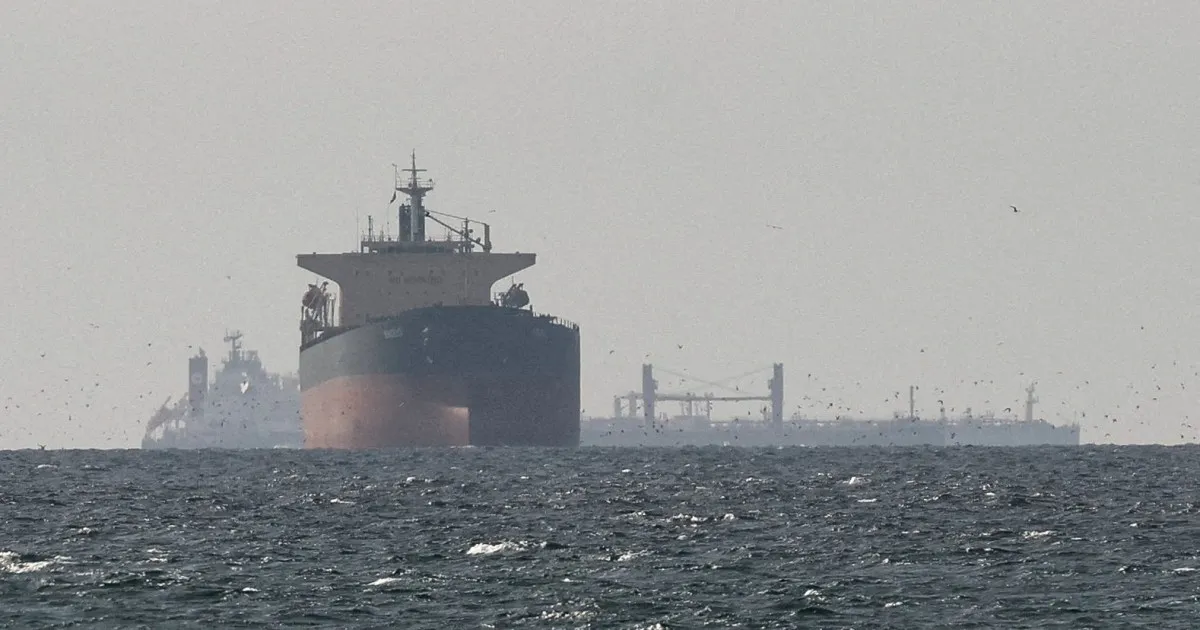
Iran’s Araghchi calls for global condemnation of US-Israel ‘military aggression’ that disrupted transit through the Strait of Hormuz.Published On 17 Mar 2026Iran’s Foreign Minister Abbas Araghchi has blamed the United States-Israel war for disruptions to shipping in the Strait of Hormuz, the critical global artery through which one-fifth of the world’s oil shipments transit.In a phone conversation with UN Secretary-General Antonio Guterres on Tuesday, Araghchi said every country and international institution concerned with peace and security must condemn the US and Israel and demand an “end to their military aggression against the Iranian nation”, according to Iran’s semiofficial Tasnim News Agency.Recommended Stories list of 3 itemslist 1 of 3Israel claims to have assassinated commander of Iran’s Basij militia unitlist 2 of 3Why the Iranian regime did not collapse after Khamenei’s assassinationlist 3 of 3Gulf economies suffer brunt of Iran war as recession risk loomsend of listA barrel of Brent crude, the international benchmark, was up 2.5 percent at $105.70 on Monday. That is more than 40 percent higher than before the war began on February 28.Several nations are reported to be negotiating with Iran for safe passage, after a senior adviser to Iran’s Islamic Revolutionary Guard Corps (IRGC) announced on March 2 that the strait was “closed” and threatening to set transiting ships “ablaze”.Araghchi on Monday said the strait was “open, but closed to our enemies”.US President Donald Trump over the weekend called for a naval coalition to join the US Navy in securing the waterway, but no countries have so far pledged to join. He specifically asked NATO member states to join the coalition, threatening that they would face a “very bad future” if they failed to assist the US.However, French President Emmanuel Macron reiterated on Tuesday that Paris would “never” take part in operations to unblock the strait amid the ongoing conflict.
SRCAl Jazeera
LANGEN
LEANCenter
WORDS304
ENT12
TUE · 2026-03-17 · 13:03 GMTBRIEF NSR-2026-0317-25314
NSR-2026-0317-25314News Report·EN·Conflict
Iran blames US, Israel for Hormuz tensions as crisis risks energy supplies
Iranian Foreign Minister Abbas Araghchi has blamed the US and Israel for disruptions in the Strait of Hormuz, a vital waterway for global oil shipments, amid an ongoing war that began on February 28th. Araghchi called on the UN and other nations to condemn the "military aggression" and demand an end to it.
Al Jazeera StaffAl JazeeraFiled 2026-03-17 · 13:03 GMTLean · CenterRead · 2 min
Al JazeeraFIG 01
Reading time
2min
Word count
304words
Sources cited
7cited
Entities identified
12entities
Quality score
100%
§ 01
Briefing Summary
AI-generatedNEWSAR · AI
Iranian Foreign Minister Abbas Araghchi has blamed the US and Israel for disruptions in the Strait of Hormuz, a vital waterway for global oil shipments, amid an ongoing war that began on February 28th. Araghchi called on the UN and other nations to condemn the "military aggression" and demand an end to it. The conflict has caused a surge in oil prices, with Brent crude rising over 40%. While Iran claims the strait is open to allies, a senior IRGC advisor previously threatened to close it. The US has called for a naval coalition to secure the waterway, but France has refused to participate. Several nations are reportedly negotiating with Iran for safe passage.
Confidence 0.90Sources 7Claims 5Entities 12
§ 02
Article analysis
Model · rule-basedFraming
Conflict
Economic Impact
Tone
Mixed Tone
AI-assessed
CalmNeutralAlarmist
Factuality
0.70 / 1.00
Factual
LowHigh
Sources cited
7
Well sourced
FewMany
§ 03
Key claims
5 extracted01
French President Emmanuel Macron reiterated that Paris would “never” take part in operations to unblock the strait.
quoteFrench President Emmanuel Macron
Confidence
1.00
02
Senior IRGC advisor announced the Strait of Hormuz was “closed” on March 2.
factualSenior advisor to Iran’s Islamic Revolutionary Guard Corps (IRGC)
Confidence
1.00
03
The Strait of Hormuz is a critical global artery through which one-fifth of the world’s oil shipments transit.
factual
Confidence
1.00
04
A barrel of Brent crude was up 2.5 percent at $105.70 on Monday.
statistic
Confidence
1.00
05
Iran’s Araghchi blames US-Israel war for disruptions to shipping in the Strait of Hormuz.
quoteIran’s Foreign Minister Abbas Araghchi
Confidence
1.00
§ 04
Full report
2 min read · 304 words§ 05
Entities
12 identifiedKey playerOppositionContextPositiveNeutralNegative
People4
Organizations4
§ 06
Keywords & salience
9 termsstrait of hormuz
1.00
iran
0.90
us-israel war
0.90
energy supplies
0.80
united states
0.80
military aggression
0.70
oil shipments
0.70
naval coalition
0.60
international security
0.50
§ 07
Topic connections
Interactive graph Network visualization showing 51 related topics
View Full Graph Person Organization Location Event|Click node to navigate|Edge numbers = shared articles