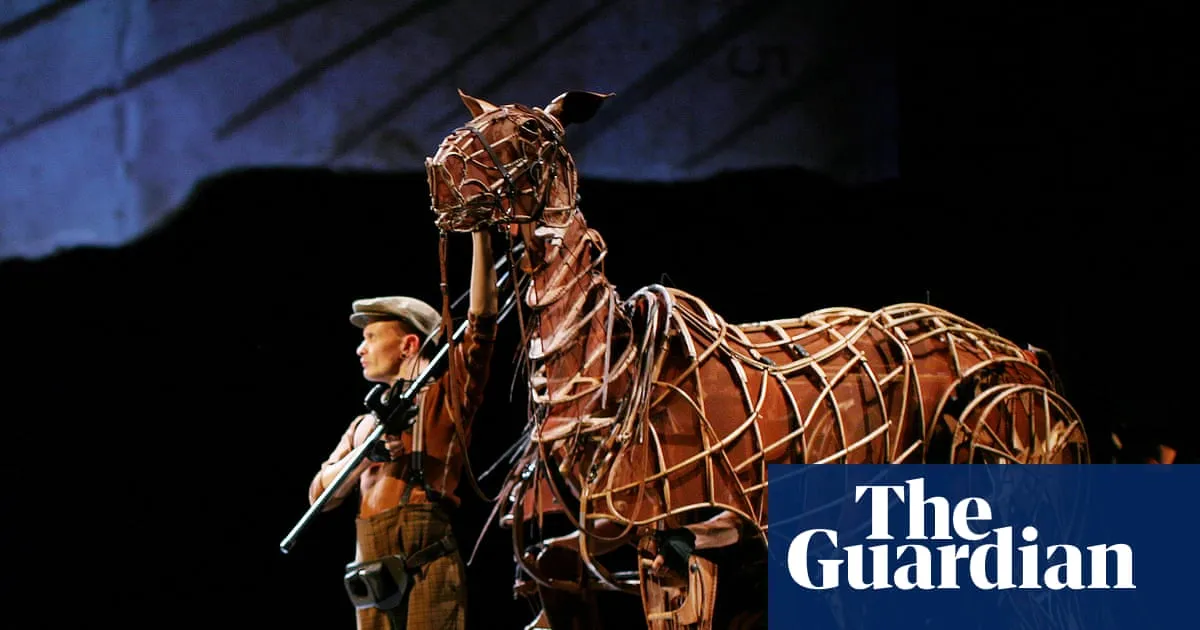
Arts Council England requires a “radical” overhaul so it can to respond to the challenges of the culture sector, according to Margaret Hodge, who said it would be a “disaster” if ACE leaders did not heed her warnings.The Labour peer, who led a wide-ranging and critical report into ACE, made the comments at a Department for Culture, Media and Sport (DCMS) select committee, where she reiterated her calls for the organisation to embrace change.Lady Hodge said: “I think there has to be a radical review in the way that the Arts Council works; how they use the money, their role in relation to the organisations that they support, and also their role in the wider arts landscape.”She said a significant shift in approach was needed because of the “loss of confidence in how ACE serves its own communities”, caused in part by the perception of political interference in decision-making.The decision to force the English National Opera to move from London to Manchester was a “raw experience” for some of the 700 people she spoke to as part of her review, she said.“I hope the ACE takes on board [my recommendations] and don’t just pay lip service to what we’re doing,” Hodge added. “It will be a disaster if ACE just pays lip service.”She said ACE was perceived by the culture sector as “incredibly bureaucratic”, an organisation whose processes were “time consuming” and “stifle creativity”, and that does not provide enough support for institutions.In order to restore trust between ACE and the organisations it served, Hodge called for greater transparency between the secretary of state for culture and ACE, with all letters being made public.Other recommendations included that publicly funded theatre shows that go on to commercial success, such as the National Theatre’s War Horse, should give money back to ACE, although this would need a change of the royal charter to enable ACE to set up a commercial arm.There was also a call for touring tax relief to support orchestras, especially those operating in Europe where costs have soared since Brexit.Hodge’s investigation into the national body for arts funding, which was released in December, found there had been a “loss of respect and trust” for ACE among those it backed, in part because of perceived political interference.At the time of the report’s release, Hodge said: “There have been attempts to exert more political control over ACE decisions in recent years and this has to stop. The Arts Council must remain free from political interference.”ACE is a non-departmental public body of the DCMS that distributes public funds to arts organisations ranging from national institutions to community-based ventures.A strain in relations between ACE and the bodies it gives money to was a theme throughout Hodge’s report. “People viewed ACE as a command-and-control funding body, rather than a leader and facilitator in the cultural landscape,” it said.One of the key missions highlighted in the review was the need to reduce bureaucracy, including by “radically” changing ACE’s application and reporting requirements. It said ACE should reduce the number of its funding streams.It also recommended lengthening the national portfolio organisations (NPO) cycle from three to five years, having a rolling programme of applications, and assuring certain organisations that they would receive at least 80% of their funding in the next round.ACE is recruiting a new chair to replace Nicholas Serota. When asked what three qualities his replacement needed, Hodge said they’d need to be a “change manager”, someone who “loved the arts” and a “great advocate” for the sector.
SRCThe Guardian - World News
LANGEN
LEANCenter-Left
WORDS584
ENT10
TUE · 2026-03-17 · 18:14 GMTBRIEF NSR-2026-0317-25397
NSR-2026-0317-25397News Report·EN·Political Strategy
Arts Council England must change or face ‘disaster’, culture department is told
Margaret Hodge, a Labour peer, told the Department for Culture, Media and Sport (DCMS) select committee that Arts Council England (ACE) requires a radical overhaul to address challenges in the culture sector. Hodge's comments follow a critical report she led, citing a loss of confidence in ACE due to perceived political interference, bureaucracy, and insufficient support for institutions.
Lanre Bakare Arts and culture correspondentThe Guardian - World NewsFiled 2026-03-17 · 18:14 GMTLean · Center-LeftRead · 3 min
The Guardian - World NewsFIG 01
Reading time
3min
Word count
584words
Sources cited
1cited
Entities identified
10entities
Quality score
100%
§ 01
Briefing Summary
AI-generatedNEWSAR · AI
Margaret Hodge, a Labour peer, told the Department for Culture, Media and Sport (DCMS) select committee that Arts Council England (ACE) requires a radical overhaul to address challenges in the culture sector. Hodge's comments follow a critical report she led, citing a loss of confidence in ACE due to perceived political interference, bureaucracy, and insufficient support for institutions. She highlighted the English National Opera's forced relocation to Manchester as a key example. Hodge urged ACE to embrace her recommendations, including greater transparency between ACE and the Secretary of State for Culture, and exploring options for publicly funded theatre to return profits to ACE. She also advocated for touring tax relief to support orchestras, particularly those affected by Brexit. Hodge warned that failure to implement meaningful change would be a "disaster."
Confidence 0.90Sources 1Claims 5Entities 10
§ 02
Article analysis
Model · rule-basedFraming
Political Strategy
Economic Impact
Tone
Measured
AI-assessed
CalmNeutralAlarmist
Factuality
0.60 / 1.00
Mixed
LowHigh
Sources cited
1
Limited
FewMany
§ 03
Key claims
5 extracted01
The decision to force the English National Opera to move from London to Manchester caused a “raw experience”.
quoteMargaret Hodge
Confidence
1.00
02
ACE was perceived by the culture sector as “incredibly bureaucratic”.
quoteMargaret Hodge
Confidence
1.00
03
Arts Council England requires a “radical” overhaul.
quoteMargaret Hodge
Confidence
1.00
04
There has been a “loss of respect and trust” for ACE among those it backed.
factualMargaret Hodge's investigation
Confidence
0.90
05
Publicly funded theatre shows that go on to commercial success should give money back to ACE.
predictionMargaret Hodge
Confidence
0.80
§ 04
Full report
3 min read · 584 words§ 05
Entities
10 identifiedKey playerOppositionContextPositiveNeutralNegative
Organizations4
§ 06
Keywords & salience
9 termsarts council england
1.00
radical overhaul
0.80
culture sector
0.70
political interference
0.70
loss of confidence
0.60
arts funding
0.50
transparency
0.50
bureaucratic
0.40
margaret hodge
0.40
§ 07
Topic connections
Interactive graph No topic relationship data available yet. This graph will appear once topic relationships have been computed.