One of the profound tragedies in life is the burial of the youngest among us. In China" class="entity-link entity-location" data-entity-id="45915" data-entity-type="location">Neolithic China (9,000–1,500 BC), urn burials were often designated for the deceased children and infants.While urn burials for older babies have been extensively studied, there remains little understanding of burial customs surrounding stillbirths, miscarriages, or newborns who passed shortly after birth. A new 2026 study in China revealed that by examining 16 urn burials associated with perinatal deaths from over 6,000 years ago, ancient peoples distinguished these infants from older babies.This study, published in the Journal of Archaeological Science, sheds light on how early societies in China perceived individuals who died during the perinatal period, specifically infants aged 34 to 40 gestational weeks – a full-term pregnancy typically lasting about 40 weeks.A study published in the Journal of Archaeological Science illuminates how early societies in China understood individuals who died during the perinatal period, specifically infants aged 34 to 40 weeks gestational age. Photo: Journal of Archaeological ScienceA notable finding was that the remains were interred in separate jars located within a designated area specifically for perinatal deaths.“The intentional and careful funerary treatment reveals a distinct social identity for perinatal infants, as well as the special funerary concepts and cultural beliefs held by ancient residents,” the authors stated.Previous research indicates that infants, typically older than those who died perinatally, were treated differently in ancient China compared to older children. However, there has been limited investigation into whether Neolithic cultures distinguished perinatal deaths from other forms of infant mortality.An ancient Chinese map, above. Infant jar burials were a prevalent and culturally significant mortuary practice in ancient China. Photo: Baidu“By identifying specific developmental stages, we aim to uncover subtle differences in the funeral rituals as reflected in jar burials,” the team noted.
SRCSouth China Morning Post
LANGEN
LEANCenter-Right
WORDS296
ENT3
WED · 2026-03-18 · 06:00 GMTBRIEF NSR-2026-0318-25553
NSR-2026-0318-25553News Report·EN·Human Interest
Jar burials: a glimpse into ancient China’s compassion, funeral practices for infant deaths
A 2026 study in China examined 16 urn burials dating back over 6,000 years to understand funeral practices surrounding perinatal deaths in Neolithic China (9,000-1,500 BC). Published in the Journal of Archaeological Science, the research focused on infants aged 34 to 40 gestational weeks.
Kevin McSpaddenSouth China Morning PostFiled 2026-03-18 · 06:00 GMTLean · Center-RightRead · 2 min
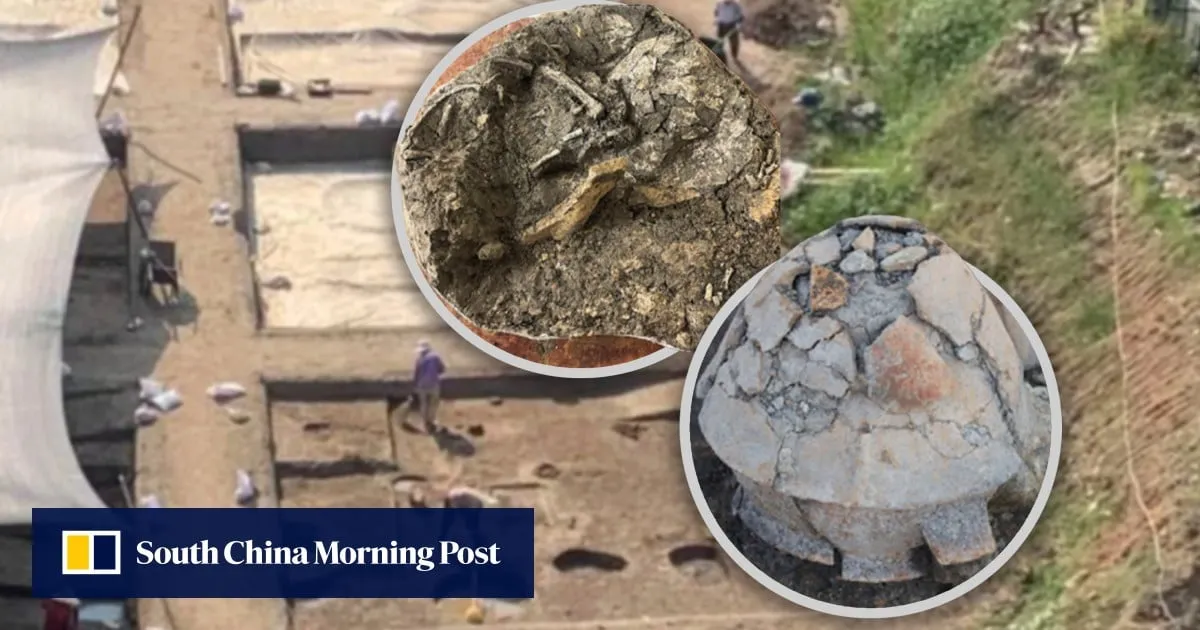
South China Morning PostFIG 01
Reading time
2min
Word count
296words
Sources cited
1cited
Entities identified
3entities
Quality score
100%
§ 01
Briefing Summary
AI-generatedNEWSAR · AI
A 2026 study in China examined 16 urn burials dating back over 6,000 years to understand funeral practices surrounding perinatal deaths in Neolithic China (9,000-1,500 BC). Published in the Journal of Archaeological Science, the research focused on infants aged 34 to 40 gestational weeks. Researchers found that these infants were buried in separate jars within a designated area, indicating a distinct social identity and specific funerary concepts for perinatal infants. The study sheds light on how early Chinese societies perceived and treated infants who died shortly before or after birth, differentiating them from older babies in burial rituals. This research aims to uncover subtle differences in funeral rituals based on specific developmental stages.
Confidence 0.90Sources 1Claims 5Entities 3
§ 02
Article analysis
Model · rule-basedFraming
Human Interest
Tone
Measured
AI-assessed
CalmNeutralAlarmist
Factuality
0.80 / 1.00
Factual
LowHigh
Sources cited
1
Limited
FewMany
§ 03
Key claims
5 extracted01
The intentional and careful funerary treatment reveals a distinct social identity for perinatal infants.
quoteauthors
Confidence
1.00
02
The remains were interred in separate jars located within a designated area specifically for perinatal deaths.
factualnull
Confidence
1.00
03
A 2026 study in China examined 16 urn burials associated with perinatal deaths from over 6,000 years ago.
factualnull
Confidence
1.00
04
Urn burials in Neolithic China (9,000–1,500 BC) were often designated for deceased children and infants.
factualnull
Confidence
1.00
05
Infant jar burials were a prevalent and culturally significant mortuary practice in ancient China.
factualnull
Confidence
0.90
§ 04
Full report
2 min read · 296 words§ 05
Entities
3 identifiedKey playerOppositionContextPositiveNeutralNegative
Organizations1
§ 06
Keywords & salience
9 termsjar burials
1.00
ancient china
0.90
infant deaths
0.90
funeral practices
0.80
perinatal deaths
0.80
neolithic china
0.70
urn burials
0.60
cultural beliefs
0.50
mortuary practice
0.50
§ 07
Topic connections
Interactive graph Network visualization showing 51 related topics
View Full Graph Person Organization Location Event|Click node to navigate|Edge numbers = shared articles