Finding out who owns land in England is to become much simpler because a paywall will be lifted from large parts of the Land Registry, the government is to announce.A small number of landowners control the majority of land but finding out who owns what is difficult to piece together, even for government departments, owing to the way the Land Registry operates. Freeing up access will make it easier to determine ownership of key areas, such as river catchments, grouse moors and peatland.The change comes as part of a major reform to the way England’s land is managed. The government’s long-awaited land use framework – to be unveiled by Emma Reynolds, the environment secretary, on Wednesday afternoon – marks the first time that government has attempted to assess how best to use farmland, nature reserves and areas of degraded land to help balance competing needs for land for food production, housing, energy and industry.For the first time, ministers will set out how much land is needed to meet the UK’s net zero target through growing forests and restoring peatland as “carbon sinks” and through energy generation from solar and windfarms. Only about 1% of land will be needed for renewable energy generation, according to the government’s new estimate, and much of the land required will still be used for food production, for instance through livestock grazing around windfarms and under solar panels.New mapping will also make it easier to assess how the restoration of peatlands in upland areas could reduce flooding from rivers, which is expected to worsen as the climate crisis deepens.Reynolds said: “It is more important than ever that we make the right decisions about our finite land, especially in the face of the dual threat of the climate and nature crises. The land use framework will hardwire climate resilience and nature-based solutions into our decision-making to ensure that we have safe homes for the future.”Guy Shrubsole, author of Who Owns England?, said: “The bold promise to open up the Land Registry would finally bring to an end a thousand years of secrecy shrouding who owns England, and enable greater scrutiny of what goes on behind the barbed-wire fences that crisscross the countryside. Given that 1% of the population own half of England, it’s only reasonable that the largest landowners should be held most responsible for restoring nature to these dewilded isles. The new land use framework is an ambitious step towards making England a greener, fairer and more pleasant land.”However, the government will stop well short of directing how land must be used in any area. There will be no attempts to force landowners to give up control and no national scheme to mandate the conversion of land to carbon sinks. The framework will be used to “steer” housebuilders away from constructing homes on floodplains, after concerns about the number of new-build homes at risk from flooding as the climate crisis worsens.The aim that everyone should be within 15 minutes of a green space or water will also become easier to meet within the new framework, as councils will be given tools to identify where green space is lacking so that they can invest accordingly. About one in five people in England lack such access at present, but this is worst among the most deprived communities.Farmers have been concerned that food production would be downgraded in favour of turning land to nature protection or use as carbon sinks, for instance through growing forests. But campaigners said there need not be a contradiction between nature protection and farming.“Wildlife in the UK is in crisis so nature must be given space to recover,” said Brendan Costelloe, policy director at the Soil Association. “But for the land that will remain farmland, it’s vital the government recognises that food production does not have to stop to create space for nature. We can and must make sure the land that’s producing food is doing so in a nature-friendly way.”The Soil Association wants more support for farmers to grow peas and beans, which fix nitrogen in the soil naturally, and more trees to be planted for forage, human food and wood, as well as a shift away from growing crops that require a high degree of soil disturbance on slopes and floodplains.
SRCThe Guardian - World News
LANGEN
LEANCenter-Left
WORDS709
ENT3
WED · 2026-03-18 · 06:00 GMTBRIEF NSR-2026-0318-25581
NSR-2026-0318-25581News Report·EN·Environmental
Government to lift paywall from large parts of the Land Registry
The UK government will remove the paywall from large parts of the Land Registry to simplify the process of identifying landowners in England. This change, announced by Environment Secretary Emma Reynolds, is part of a broader land use framework aimed at balancing competing needs for land, including food production, housing, energy, and industry.
Fiona Harvey Environment editorThe Guardian - World NewsFiled 2026-03-18 · 06:00 GMTLean · Center-LeftRead · 3 min
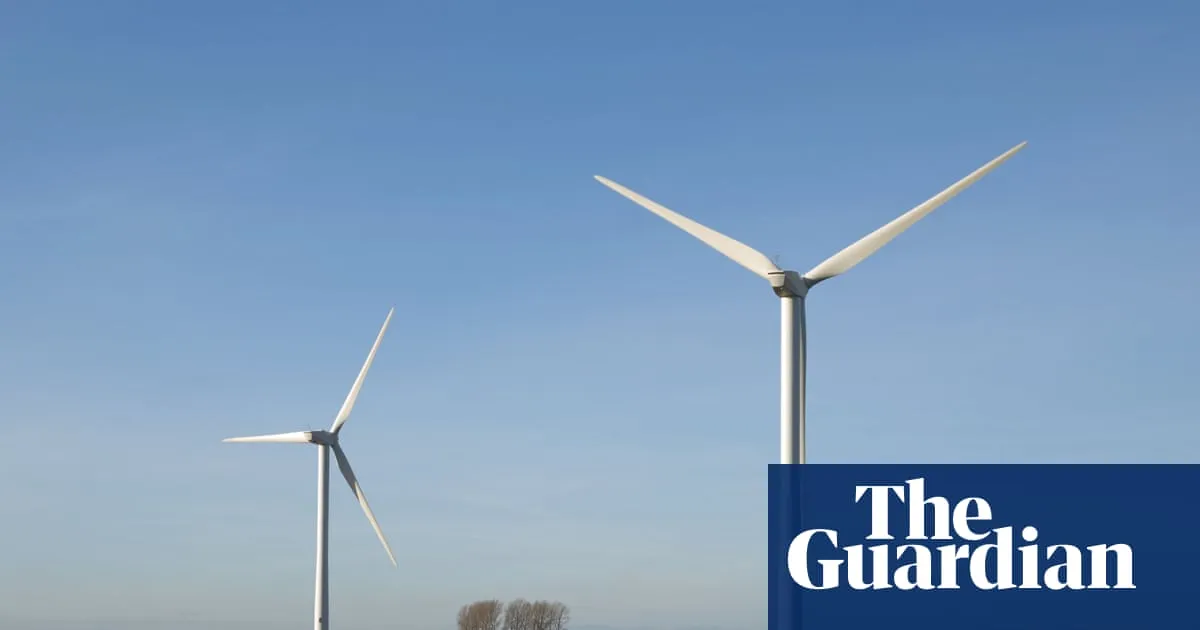
The Guardian - World NewsFIG 01
Reading time
3min
Word count
709words
Sources cited
2cited
Entities identified
3entities
Quality score
100%
§ 01
Briefing Summary
AI-generatedNEWSAR · AI
The UK government will remove the paywall from large parts of the Land Registry to simplify the process of identifying landowners in England. This change, announced by Environment Secretary Emma Reynolds, is part of a broader land use framework aimed at balancing competing needs for land, including food production, housing, energy, and industry. The framework will assess land usage to meet the UK's net zero target, primarily through forests, peatland restoration, and renewable energy generation, which is estimated to require only 1% of land. New mapping will also aid in assessing how peatland restoration can mitigate flooding. The initiative seeks to increase transparency and accountability regarding land ownership, particularly for large landowners, to promote environmental restoration.
Confidence 0.90Sources 2Claims 4Entities 3
§ 02
Article analysis
Model · rule-basedFraming
Environmental
Economic Impact
Tone
Measured
AI-assessed
CalmNeutralAlarmist
Factuality
0.70 / 1.00
Factual
LowHigh
Sources cited
2
Limited
FewMany
§ 03
Key claims
4 extracted01
The land use framework will hardwire climate resilience and nature-based solutions into our decision-making.
quoteReynolds
Confidence
1.00
02
Only about 1% of land will be needed for renewable energy generation.
statisticgovernment
Confidence
1.00
03
Ministers will set out how much land is needed to meet the UK’s net zero target.
factual
Confidence
1.00
04
1% of the population own half of England.
quoteGuy Shrubsole
Confidence
0.80
§ 04
Full report
3 min read · 709 words§ 05
Entities
3 identifiedKey playerOppositionContextPositiveNeutralNegative
Organizations1
Locations1
§ 06
Keywords & salience
10 termsland registry
1.00
land use framework
0.90
land ownership
0.80
climate crisis
0.70
net zero target
0.70
peatland restoration
0.60
nature-based solutions
0.60
food production
0.50
renewable energy
0.50
paywall lifted
0.40
§ 07
Topic connections
Interactive graph No topic relationship data available yet. This graph will appear once topic relationships have been computed.