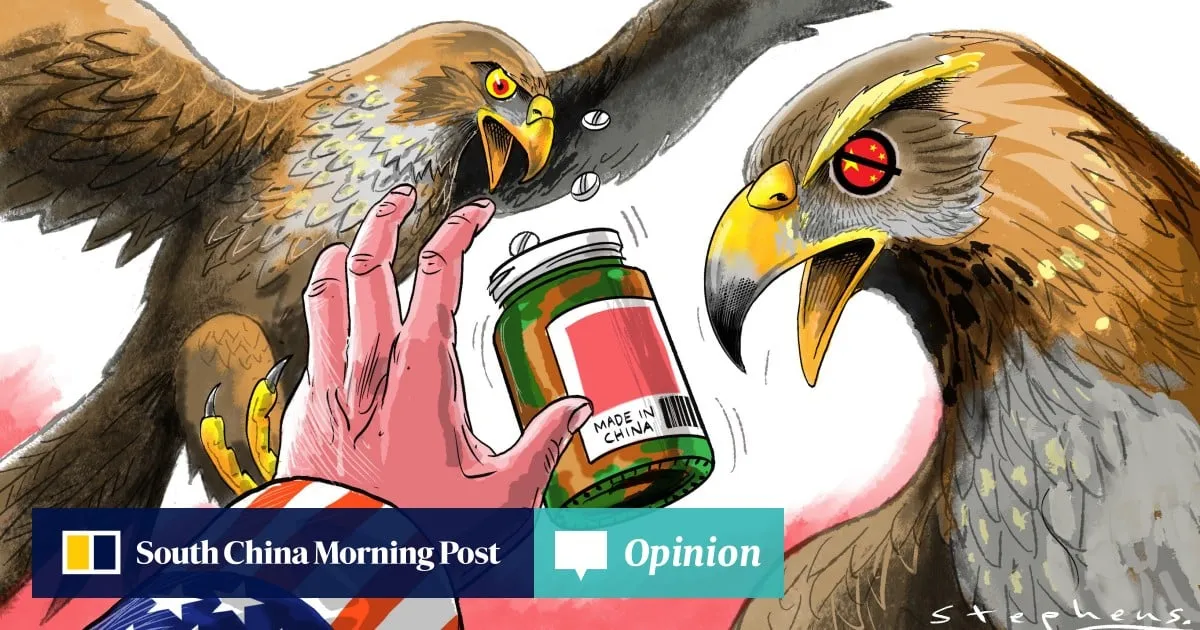
As Chinese science makes great strides, some US China hawks have been sounding the alarm. In their view, Chinese scientific progress is a significant national security threat to the United States, as it signals the relative decline of US scientific dominance and potentially creates dependence on China.In one extreme case of this view, Leland Miller, a senior consultant for the China-economic-and-security-review-commission" class="entity-link entity-organization" data-entity-id="32181" data-entity-type="organization">US-China Economic and Security Review Commission, declared in a recent interview that China discovering a cure for cancer would pose a national security threat to the US as a result of its supposed supply chain implications.This view is misguided. The rise of Chinese science is not just a boon to China itself, but is also of benefit to the US and the rest of the world.The scientific and economic dominance of the US for much of the post-World War II era has had a downside for Americans: scientific progress relevant to their life can be held hostage by US domestic politics. When a US administration turns hostile to useful scientific discoveries, the existence of another major scientific power with different preferences – such as China – can help Americans avoid losing out as a result of the capricious whims of their own political system.American science, like in many other countries, is largely based on funding from various levels of its own government. The eventual development of scientific discoveries into products that can improve people’s lives is also usually commercially feasible only with the permission of various US government regulatory bodies.The post-war scientific and economic dominance of the US – with the US government being the biggest funder of basic research, and with the US as the key market for many of the resultant products – has meant the US government has de facto veto power on scientific progress and its diffusion. Scientific fields and their resulting consumer products, if undesired by small yet influential parts of the US public or by US politicians, can die off or be stunted for many years.
SRCSouth China Morning Post
LANGEN
LEANCenter-Right
WORDS332
ENT5
WED · 2026-03-18 · 12:30 GMTBRIEF NSR-2026-0318-25680
NSR-2026-0318-25680Opinion·EN·National Security
US hawks are wrong: China’s rise in science benefits America too
The article addresses concerns from some US figures, labeled "China hawks," who view China's scientific advancements as a national security threat to the United States. They believe it signals a decline in US dominance and potential dependence on China.
Dov H. LevinSouth China Morning PostFiled 2026-03-18 · 12:30 GMTLean · Center-RightRead · 2 min
South China Morning PostFIG 01
Reading time
2min
Word count
332words
Sources cited
1cited
Entities identified
5entities
Quality score
100%
§ 01
Briefing Summary
AI-generatedNEWSAR · AI
The article addresses concerns from some US figures, labeled "China hawks," who view China's scientific advancements as a national security threat to the United States. They believe it signals a decline in US dominance and potential dependence on China. The article argues this view is misguided, stating that China's scientific rise benefits the US and the world. It explains that US dominance in science has given the US government significant control over scientific progress and its application. The existence of another major scientific power, like China, can prevent US domestic politics from hindering scientific advancements that could benefit Americans. The article suggests that a multipolar scientific landscape can safeguard progress against the whims of a single nation's political system.
Confidence 0.90Sources 1Claims 5Entities 5
§ 02
Article analysis
Model · rule-basedFraming
National Security
Economic Impact
Tone
Measured
AI-assessed
CalmNeutralAlarmist
Factuality
0.30 / 1.00
Opinion-Heavy
LowHigh
Sources cited
1
Limited
FewMany
§ 03
Key claims
5 extracted01
China discovering a cure for cancer would pose a national security threat to the US.
quoteLeland Miller
Confidence
1.00
02
Chinese scientific progress is a significant national security threat to the United States.
quoteUS China hawks
Confidence
0.90
03
American science is largely based on funding from various levels of its own government.
factual
Confidence
0.80
04
The rise of Chinese science is also of benefit to the US and the rest of the world.
factual
Confidence
0.70
05
The US government has de facto veto power on scientific progress and its diffusion.
factual
Confidence
0.60
§ 04
Full report
2 min read · 332 words§ 05
Entities
5 identifiedKey playerOppositionContextPositiveNeutralNegative
§ 06
Keywords & salience
10 termsus
1.00
china
1.00
scientific progress
0.90
national security
0.80
scientific dominance
0.70
science
0.60
us government
0.60
economic dominance
0.50
supply chain
0.40
funding
0.40
§ 07
Topic connections
Interactive graph Network visualization showing 51 related topics
View Full Graph Person Organization Location Event|Click node to navigate|Edge numbers = shared articles