3 hours agoGrigor Atanesian,BBC News RussianandAdam Easton,Warsawt.me/kotovayanoraA selfie taken by Alexander Butyagin earlier this year at an ancient site in Ukraine's CrimeaA judge in Poland has ruled that Russian archaeologist Alexander Butyagin can be extradited to Ukraine, although his defence says he will appeal.Butyagin is being held in a Warsaw prison for allegedly conducting illegal excavations and plundering artefacts from the ancient city of Myrmekion in Crimea - Ukraine's peninsula annexed by Russia in 2014.If Judge Dariusz Łubowski's ruling is upheld, a final decision on extradition will rest with Poland's justice minister.Butyagin - arrested in Poland at Ukraine's request in December - denies all the allegations. If convicted, he faces up to five years in jail. Russia has demanded his immediate release, saying the case is politically motivated. Since Russia's full-scale invasion of Ukraine in 2022, European courts in several instances have refused to extradite Russians to Ukraine, citing the possible risk of violations to the European Convention on Human Rights.The archaeologist's life and wellbeing would be at risk if he were extradited to Ukraine, Butyagin's lawyer Adam Domański has said.Getty ImagesThe site at Myrmekion in CrimeaA senior scholar at the Hermitage, Russia's largest art museum in St Petersburg, he has since 1999 overseen the museum's excavations of Myrmekion, an ancient Greek settlement founded in Crimea in the 6th Century BC.Initially, his research was authorised by Ukraine. But when Russia annexed the peninsula in March 2014, the work continued without Kyiv's consent and carried on after the full-scale invasion eight years later.He could face a jail term of up to five years if found guilty of plundering artefacts, including 30 gold coins, resulting in damage estimated at more than $4.5m (£3.4m).Before his arrest in Warsaw on 4 December, Butyagin had travelled in Europe giving public talks to Russian-speaking audiences. He knew that a Kyiv court had issued a warrant for his arrest in April 2025 - but did not expect to be arrested in the European Union.Russia's excavations in Crimea are illegal under the 2nd protocol to The Hague Convention for the protection of cultural property in the event of armed conflict. Ukraine and most European countries are parties to the protocol, but Russia is not.Ahead of the extradition Alexander Butyagin told the BBC via his lawyer that he had kept on digging to preserve an archaeological site. He did not dispute working without Kyiv's authorisation - but rejected charges of "intentional unlawful destruction, ruin, or damage" of monuments."Stopping our work would have affected the condition of the monument, leaving it unattended and deteriorating due to natural causes and exposed to vandals and looters," he argued.But Evelina Kravchenko, a senior researcher at Ukraine's Institute of Archaeology, said Russian archaeologists should be prevented from digging in occupied Ukraine."I have no personal animosity for Butyagin. He is a Russian citizen who has worked in Crimea, and I believe his work has been harmful for Crimea's cultural heritage," Kravchenko told the BBC.In November 2024, Ukraine's state security service SBU said that - together with Ukrainian police and the prosecutor's office - it had "gathered evidence against a Russian citizen who is looting Ukrainian cultural heritage in temporary occupied Crimea".It said the Russian national was the head of the archaeology department at the Hermitage - but did not name him publicly.The SBU added that the archaeologist was suspected of "illegally conducting excavations at an archaeological heritage site, destruction, ruin or damage to cultural heritage sites".Butyagin is currently in a detention centre in Warsaw, and a motion to release him on bail has been turned down.Asked if he would return to digging in occupied Crime if his appeal succeeded, the archaeologist avoided answering - saying only that he wanted to change a lot about his life and first wished to return to his family.
SRCBBC News - World
LANGEN
LEANCenter
WORDS629
ENT11
WED · 2026-03-18 · 16:39 GMTBRIEF NSR-2026-0318-25736
NSR-2026-0318-25736News Report·EN·Legal & Judicial
Russian archaeologist can be sent to Ukraine for trial, Polish judge rules
A Polish judge has ruled that Russian archaeologist Alexander Butyagin can be extradited to Ukraine, where he is accused of illegally excavating and looting artifacts from the ancient city of Myrmekion in Crimea after its annexation by Russia in 2014. Butyagin, a senior scholar at the Hermitage Museum, denies the allegations and faces up to five years in prison if convicted.
BBC News - WorldFiled 2026-03-18 · 16:39 GMTLean · CenterRead · 3 min
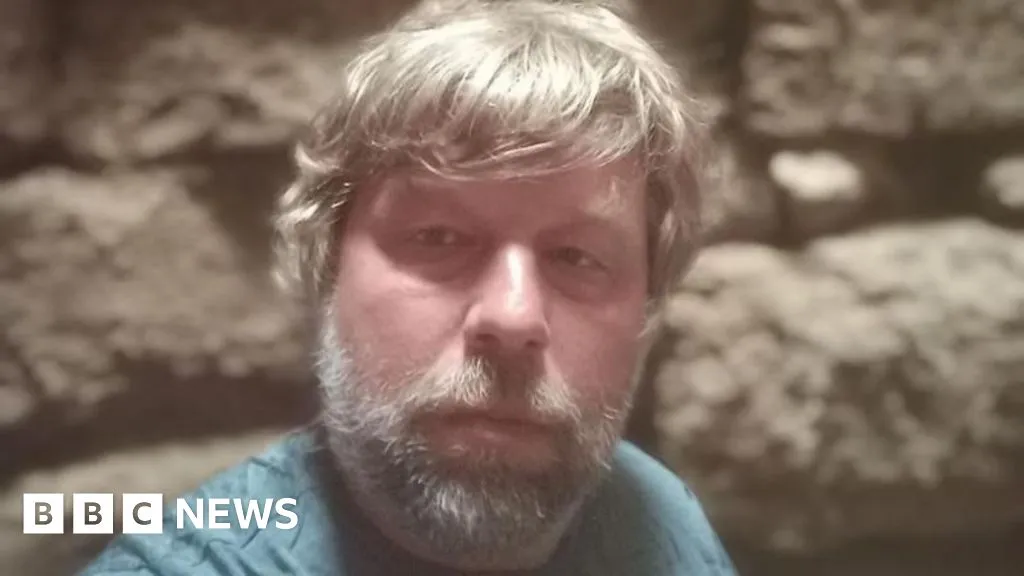
BBC News - WorldFIG 01
Reading time
3min
Word count
629words
Sources cited
4cited
Entities identified
11entities
Quality score
100%
§ 01
Briefing Summary
AI-generatedNEWSAR · AI
A Polish judge has ruled that Russian archaeologist Alexander Butyagin can be extradited to Ukraine, where he is accused of illegally excavating and looting artifacts from the ancient city of Myrmekion in Crimea after its annexation by Russia in 2014. Butyagin, a senior scholar at the Hermitage Museum, denies the allegations and faces up to five years in prison if convicted. Russia is demanding his release, claiming the case is politically motivated, while Butyagin's defense plans to appeal, citing concerns for his safety and potential human rights violations if extradited. The excavations, initially authorized by Ukraine, continued without Kyiv's consent after the annexation, violating international protocols regarding cultural property protection during armed conflict. Butyagin was arrested in Poland in December at Ukraine's request.
Confidence 0.90Sources 4Claims 5Entities 11
§ 02
Article analysis
Model · rule-basedFraming
Legal & Judicial
Conflict
Tone
Measured
AI-assessed
CalmNeutralAlarmist
Factuality
0.80 / 1.00
Factual
LowHigh
Sources cited
4
Well sourced
FewMany
§ 03
Key claims
5 extracted01
He could face up to five years in jail if found guilty of plundering artefacts.
factualBBC News
Confidence
1.00
02
Butyagin argues he kept digging to preserve the archaeological site.
quoteAlexander Butyagin
Confidence
1.00
03
Russia has demanded Butyagin's immediate release, calling the case politically motivated.
factualRussia
Confidence
1.00
04
Butyagin is accused of illegal excavations and plundering artefacts from Myrmekion in Crimea.
factualBBC News
Confidence
1.00
05
A Polish judge ruled that Russian archaeologist Alexander Butyagin can be extradited to Ukraine.
factualBBC News
Confidence
1.00
§ 04
Full report
3 min read · 629 words§ 05
Entities
11 identifiedKey playerOppositionContextPositiveNeutralNegative
§ 06
Keywords & salience
10 termsextradition
0.90
archaeologist
0.80
illegal excavations
0.70
crimea
0.70
plundering artefacts
0.60
myrmekion
0.60
political motivation
0.50
cultural property
0.50
hague convention
0.40
russian invasion
0.40
§ 07
Topic connections
Interactive graph No topic relationship data available yet. This graph will appear once topic relationships have been computed.