4 hours agoJessica Murphy,TorontoandSareen HabeshianGetty ImagesCanada legalised assisted dying in 2016Alberta has proposed a bill that would limit the use of medically assisted dying - also known as voluntary euthanasia - in the Canadian province solely to end-of-life circumstances. In 2021, Canada expanded access to medically assisted dying, known domestically by the acronym Maid, to people with serious, incurable illnesses or disabilities, even if their death is not reasonably foreseeable. Canada is also due to expand access next year to people whose only medical condition is mental illness, though that has twice been delayed.Alberta is the first jurisdiction in Canada to independently propose limits to the practice. Alberta Premier Danielle Smith, said during a news conference on Wednesday that Maid should only be an option for those with no hope of recovery."This legislation strengthens safeguards and restores clear limits on eligibility to protect vulnerable Albertans facing mental illness or living with disabilities," she said. "Those struggling with severe mental health challenges need treatment, compassion and support, not a path to end their life at what may be their lowest moment."The proposed seeks to prohibit doctors from unilaterally raising Maid with patients and banning its public advertising in healthcare facilities. It would also enshrine conscience protections for healthcare professionals and institutions. While polls indicate there is broad support in Canada for medically assisted dying, there has also been widespread debate about the programme's expansion and concerns over whether appropriate safeguards are in place. Canada first legalised euthanasia in 2016 for people with terminal illnesses before expanding it to people with serious and chronic physical conditions, following a court case in the province of Quebec. In 2024, the vast majority – around 96% - had a death deemed "reasonably foreseeable", due to severe medical conditions such as cancer.In a small minority of assisted-death cases, patients may not have been terminally ill, but sought to end their lives due to a long and complicated illness that had significantly impacted their quality of life.Canada is among a few countries that have introduced assisted-dying laws in the past decade. Others include Australia, New Zealand, Spain and Austria.While eligibility for Maid in Canada is established federally, provinces are responsible for the delivery and regulation of healthcare.In Canada, people over 18 must meet several requirements to be eligible for assisted dying.They include having a "serious and incurable illness", making a "voluntary request that is not the result of external pressure" and being in an "advanced state of irreversible decline in capability".Two independent doctors or nurse practitioners must then assess the patient to confirm that all of the eligibility requirements are met.Moira Wilson, president of Inclusion Canada, a national organisation that works to support people with intellectual disabilities, said in a statement that they welcomed the proposed legislation in Alberta and urged other provinces to follow suit. It "demonstrates that governments can strengthen laws and better protect people whose lives are not nearing an end", she said. "We urge the federal government to review Canada's Maid law and ensure the same level of protection exists for people with disabilities across the country." The legislation also garnered support from Mara Grunau, chief executive of the Canadian Mental Health Association's Alberta division, who said in a statement that "Recovery from mental illness and suicidality is possible, expected even"."For that reason, we welcome the steps Alberta is taking to strengthen protections for those experiencing mental illness," added Grunau, who also leads the Centre for Suicide Prevention.But supporters of expanded access to Maid criticised the proposal. Helen Long, chief executive of Dying with Dignity Canada, called the legislation a "direct attempt to circumvent the constitutional criminal law authority" and said it limits patient autonomy.She told the BBC in a statement that she believes it creates "additional barriers for individuals who are suffering and who wish to exercise choice".
SRCBBC News - World
LANGEN
LEANCenter
WORDS636
ENT8
WED · 2026-03-18 · 23:23 GMTBRIEF NSR-2026-0319-25867
NSR-2026-0319-25867News Report·EN·Legal & Judicial
Alberta seeks to set limits on use of medically assisted dying
Alberta has proposed legislation to restrict medically assisted dying (MAID) to end-of-life circumstances, diverging from Canada's broader 2021 expansion allowing access for individuals with serious, incurable illnesses or disabilities, even if death is not reasonably foreseeable. Premier Danielle Smith stated the bill aims to protect vulnerable Albertans, particularly those with mental illness or disabilities, emphasizing treatment and support instead.
BBC News - WorldFiled 2026-03-18 · 23:23 GMTLean · CenterRead · 3 min
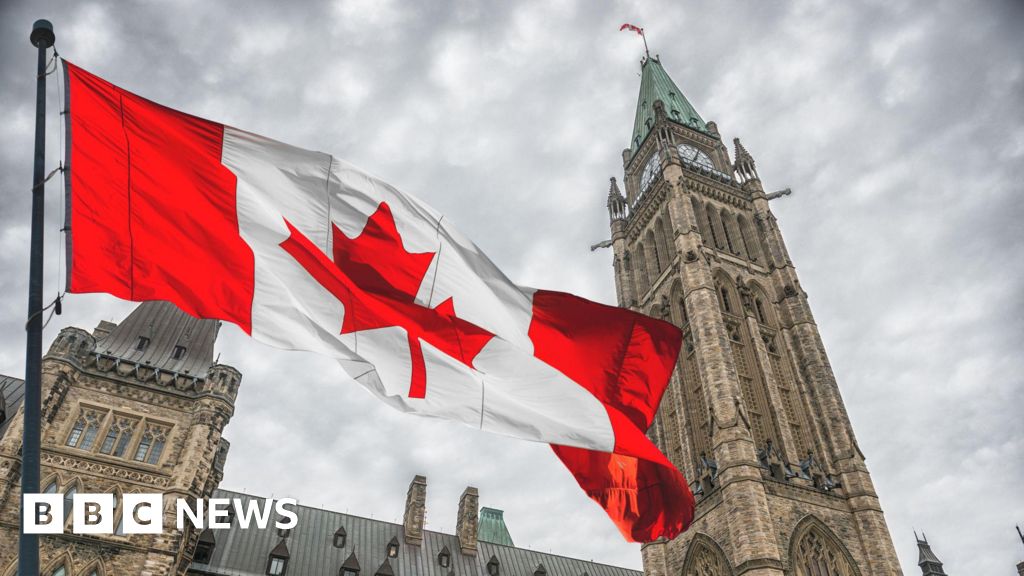
BBC News - WorldFIG 01
Reading time
3min
Word count
636words
Sources cited
3cited
Entities identified
8entities
Quality score
100%
§ 01
Briefing Summary
AI-generatedNEWSAR · AI
Alberta has proposed legislation to restrict medically assisted dying (MAID) to end-of-life circumstances, diverging from Canada's broader 2021 expansion allowing access for individuals with serious, incurable illnesses or disabilities, even if death is not reasonably foreseeable. Premier Danielle Smith stated the bill aims to protect vulnerable Albertans, particularly those with mental illness or disabilities, emphasizing treatment and support instead. The proposed bill would prohibit doctors from unilaterally raising MAID with patients, ban its public advertising in healthcare facilities, and enshrine conscience protections for healthcare professionals. While Canada legalized MAID in 2016 and is set to further expand access to those with mental illness in 2024 (though twice delayed), Alberta is the first province to independently propose limits, citing concerns over safeguards and eligibility. The federal government establishes eligibility for MAID, but provinces are responsible for healthcare delivery and regulation.
Confidence 0.90Sources 3Claims 5Entities 8
§ 02
Article analysis
Model · rule-basedFraming
Legal & Judicial
Human Rights
Tone
Measured
AI-assessed
CalmNeutralAlarmist
Factuality
0.70 / 1.00
Factual
LowHigh
Sources cited
3
Well sourced
FewMany
§ 03
Key claims
5 extracted01
In 2024, around 96% had a death deemed "reasonably foreseeable", due to severe medical conditions.
statisticArticle
Confidence
1.00
02
Canada is due to expand access next year to people whose only medical condition is mental illness.
factualArticle
Confidence
1.00
03
Canada expanded access to medically assisted dying in 2021 to people with serious, incurable illnesses or disabilities.
factualArticle
Confidence
1.00
04
Alberta has proposed a bill that would limit the use of medically assisted dying to end-of-life circumstances.
factualArticle
Confidence
1.00
05
This legislation strengthens safeguards and restores clear limits on eligibility.
quoteDanielle Smith
Confidence
0.90
§ 04
Full report
3 min read · 636 words§ 05
Entities
8 identified§ 06
Keywords & salience
10 termsmedically assisted dying
1.00
maid
0.90
alberta
0.90
voluntary euthanasia
0.80
canada
0.80
end-of-life
0.70
mental illness
0.70
safeguards
0.60
conscience protections
0.60
healthcare
0.50
§ 07
Topic connections
Interactive graph Network visualization showing 10 related topics
View Full Graph Person Organization Location Event|Click node to navigate|Edge numbers = shared articles