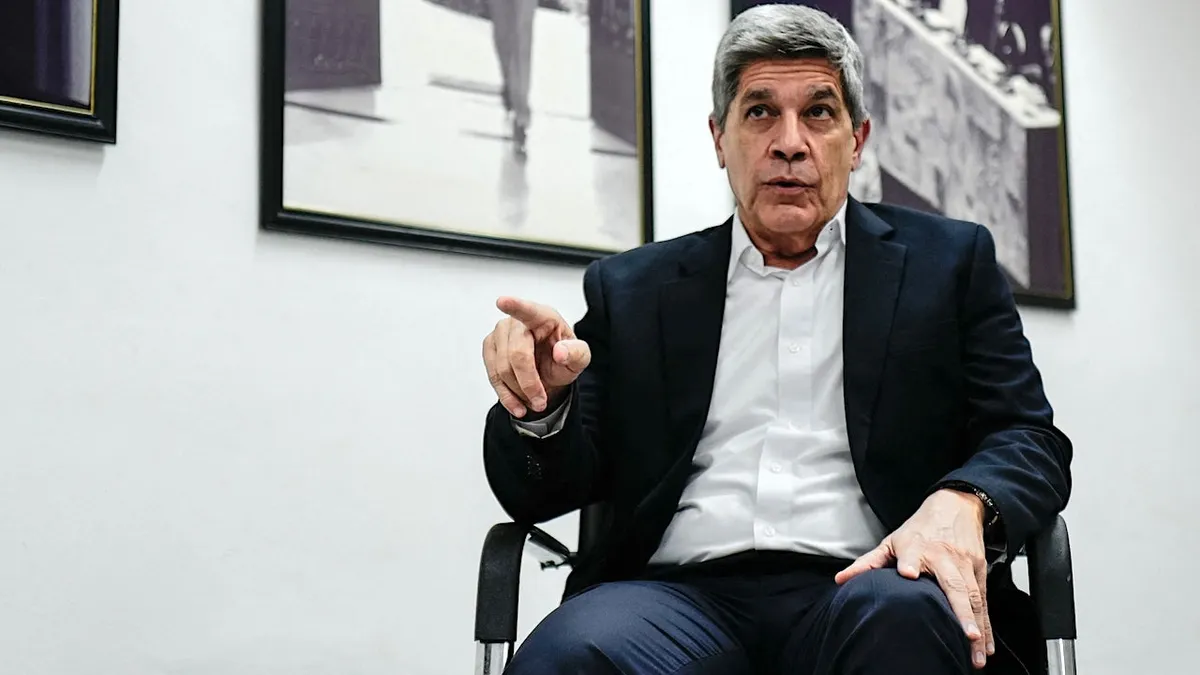
Cuba is preparing for possible U.S. aggression even as Trump administration officials have recently signaled they are not planning an invasion, Cuban Deputy Foreign Minister Carlos Fernández de Cossío said Sunday. "Our military is always prepared, and in fact it is preparing these days for the possibility of military aggression," Fernández de Cossío told NBC News’ "Meet the Press" in an interview that aired Sunday. "We would be naive if, looking at what’s happening around the world, we would not do that." "But we truly hope that it doesn’t occur. We don’t see why it would have to occur, and we find no justification whatsoever — why would the government of the United States force its country to take military action against a neighboring country like Cuba?" CUBAN ACTIVIST TO TRUMP: ‘MAKE Cuba GREAT AGAIN’ BY ENDING COMMUNIST RULE The Cuban official’s remarks come just days after President Donald Trump said it would be "a big honor" to be the president that has the " honor of taking Cuba ." "Taking Cuba in some form, yeah, taking Cuba – I mean, whether I free it, take it: I think I can do anything I want with it, you want to know the truth," Trump said, despite the fact Secretary of State Marco Rubio stressed diplomacy with the failing regime over any talk of an invasion as Trump's statement might suggest. "They’re in a lot of trouble, and the people in charge, they don’t know how to fix it," Rubio said this week. "So they have to get new people in charge." TRUMP TOUTS US HAS 'TREMENDOUS' AMOUNT OF VENEZUELAN OIL, VOWS TO 'TAKE CARE' OF Cuba AFTER IRAN FOCUS But Fernández de Cossío said Cuba is "absolutely" opposed to regime change, signaling defiance of Trump and Rubio's public statements and setting the stage for potential military action down the road. "Our country has historically been ready to mobilize, as a nation as a whole, for military aggression," he told NBC's Kristen Welker. "We truly always see it as something far from us. We don’t believe it is something that is probable. But we would be naive if we do not prepare. That’s what I can tell you." Asked whether Cuba was bracing for the United States "to take it in some form," Fernández de Cossío answered: "Truly, we don’t know what they’re talking about." RUBIO HOLDING SECRET TALKS WITH Raul Castro’S GRANDSON OVER Cuba’S FUTURE: REPORT "But I can tell you this: Cuba is a sovereign country and has the right to be a sovereign country and has the right to self-determination," he added. "Cuba would not accept to become a vassal state or a dependent state from any other country or any other superpower." Fernández de Cossío said Cuba was prepared to negotiate with Rubio despite the secretary of state’s long-standing criticism of the Cuban government. "We are ready to negotiate with the person that the U.S. government, as a sovereign nation, designates as their spokesperson, as their lead negotiator, and we’re ready to negotiate with whoever is designated by the U.S. government," he said. "They’re a sovereign nation. We don’t interfere with that." PROTESTERS TORCH COMMUNIST PARTY HQ IN Cuba AS VIDEO APPEARS TO CAPTURE GUNFIRE Throughout the interview, the Cuban diplomat cast Havana’s position as defensive, saying Cuba "has no quarrel with the United States" and wants "a respectful relationship," while blaming the island’s worsening energy and economic crisis on U.S. pressure, including efforts to choke off fuel supplies. Recent reporting has documented Cuba’s deepening blackout crisis and the Trump administration’s increased efforts to isolate the government economically. "What does ‘on its own’ mean when it’s being forced by the United States?" Fernández de Cossío said when asked about Trump’s claim that Cuba could collapse on its own. "It’s a very bizarre statement." His closing message to Trump was conciliatory, even as he warned that Cuba was preparing for the worst. "Cuba has no quarrel with the United States," Fernández de Cossío said. "We do have the need and the right to protect ourself. "But we are willing to sit down, we’re open for business, and we’re all being open to having a respectful relationship that I’m sure the majority of Americans would support, and I’m sure the president of the United States would support, if we could sit down and talk meaningfully about it."
SRCFox News - World
LANGEN
LEANCenter-Right
WORDS728
ENT8
SUN · 2026-03-22 · 20:37 GMTBRIEF NSR-2026-0322-29451
NSR-2026-0322-29451News Report·EN·National Security
Carlos Fernández de Cossío: Cuba 'preparing' for 'possibility of military aggression'
Cuban Deputy Foreign Minister Carlos Fernández de Cossío stated that Cuba is preparing for potential military aggression from the U.S., despite recent signals from the Trump administration suggesting otherwise. Fernández de Cossío emphasized that Cuba hopes military action will not occur but feels it is necessary to prepare given global circumstances.
Eric MackFox News - WorldFiled 2026-03-22 · 20:37 GMTLean · Center-RightRead · 3 min
Fox News - WorldFIG 01
Reading time
3min
Word count
728words
Sources cited
4cited
Entities identified
8entities
Quality score
100%
§ 01
Briefing Summary
AI-generatedNEWSAR · AI
Cuban Deputy Foreign Minister Carlos Fernández de Cossío stated that Cuba is preparing for potential military aggression from the U.S., despite recent signals from the Trump administration suggesting otherwise. Fernández de Cossío emphasized that Cuba hopes military action will not occur but feels it is necessary to prepare given global circumstances. His remarks follow President Trump's comments about "taking Cuba" and Secretary of State Rubio's focus on diplomacy. Cuba opposes regime change and asserts its right to sovereignty and self-determination. Fernández de Cossío stated that Cuba does not know what the U.S. is talking about when it says it will "take Cuba in some form."
Confidence 0.90Sources 4Claims 5Entities 8
§ 02
Article analysis
Model · rule-basedFraming
National Security
Diplomatic
Tone
Mixed Tone
AI-assessed
CalmNeutralAlarmist
Factuality
0.70 / 1.00
Factual
LowHigh
Sources cited
4
Well sourced
FewMany
§ 03
Key claims
5 extracted01
Cuba is a sovereign country and has the right to self-determination.
quoteCarlos Fernández de Cossío
Confidence
1.00
02
Trump said it would be 'a big honor' to be the president that has the 'honor of taking Cuba'.
quoteDonald Trump
Confidence
1.00
03
Cuba is absolutely opposed to regime change.
quoteCarlos Fernández de Cossío
Confidence
0.90
04
Rubio stressed diplomacy with the failing regime over any talk of an invasion.
factualMarco Rubio
Confidence
0.90
05
Cuba is preparing for the possibility of military aggression.
quoteCarlos Fernández de Cossío
Confidence
0.90
§ 04
Full report
3 min read · 728 words§ 05
Entities
8 identifiedKey playerOppositionContextPositiveNeutralNegative
People5
Organizations1
§ 06
Keywords & salience
8 termscuba
1.00
military aggression
0.90
united states
0.80
sovereign country
0.70
regime change
0.60
donald trump
0.60
self-determination
0.50
diplomacy
0.50
§ 07
Topic connections
Interactive graph Network visualization showing 51 related topics
View Full Graph Person Organization Location Event|Click node to navigate|Edge numbers = shared articles