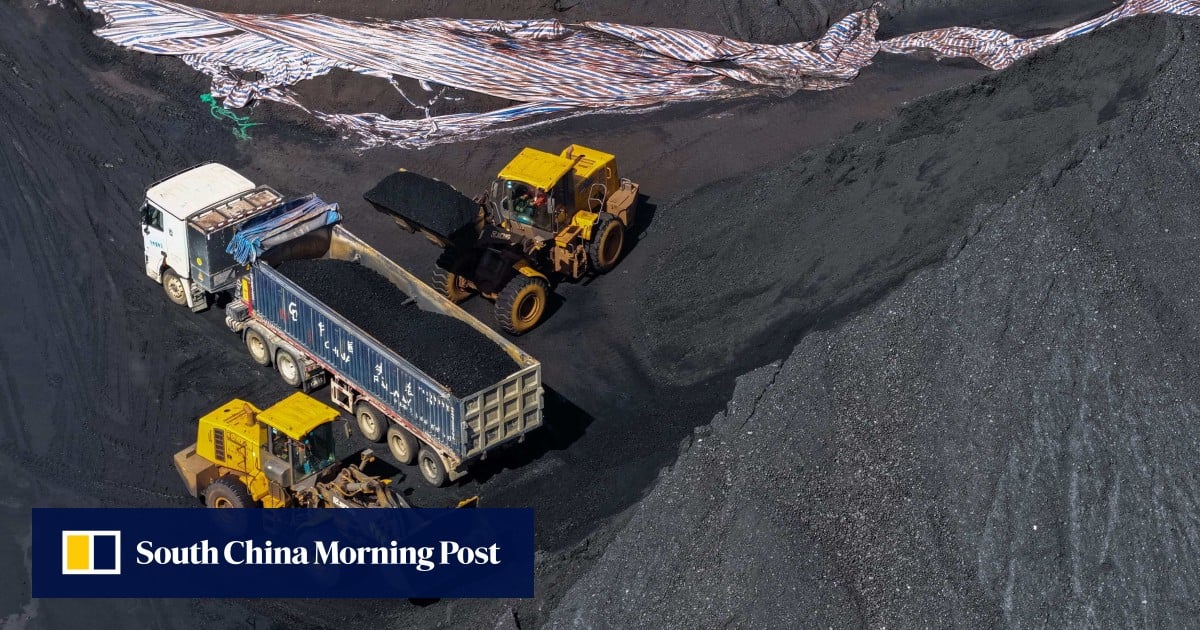
Chinese scientists have discovered a way to turn cheap coal into valuable ingredients for medicine. This was once a long and difficult process, but now they have found a surprising short cut.In a study published on March 16 in the journal Nature, Jiao Ning’s team at Peking University solved a chemical puzzle that had confounded scientists for over 160 years. They successfully transformed inexpensive and readily available industrial feedstock – olefins – into high-value alkynes under mild and efficient conditions.This breakthrough not only revolutionises the concepts of molecular synthesis but also opens a gateway for China’s coal-based chemical industry to venture into the production of high-value-added fine chemicals.This exemplifies the strategic thinking that has guided China’s chemical industry in recent years: without needing more oil, China’s chemical industry can improve and create more value through new ideas.To grasp the significance of this achievement, one must first understand two fundamental building blocks of organic chemistry: olefins and alkynes.Olefins are compounds containing a carbon-carbon double bond. This bond, structurally akin to a “bent line”, is relatively reactive. Globally, olefins such as ethylene and propylene are produced on a large scale and at low cost, often by heating oil. In China, they are also made from coal, using a process that turns coal into methanol and then into olefins. This is especially important for China because the country has plenty of coal but very little oil.
SRCSouth China Morning Post
LANGEN
LEANCenter-Right
WORDS233
ENT3
MON · 2026-03-23 · 06:23 GMTBRIEF NSR-2026-0323-29760
NSR-2026-0323-29760News Report·EN·Technology
Turning coal to medicines: Chinese scientists bring a 160-year-old dream to life
Chinese scientists at Peking University, led by Jiao Ning, have achieved a breakthrough in converting inexpensive olefins into valuable alkynes, a feat that has eluded researchers for over 160 years. Published in Nature on March 16, the study details how the team successfully transformed readily available industrial feedstock into high-value ingredients for medicine under mild conditions.
Zhang TongSouth China Morning PostFiled 2026-03-23 · 06:23 GMTLean · Center-RightRead · 1 min
South China Morning PostFIG 01
Reading time
1min
Word count
233words
Sources cited
1cited
Entities identified
3entities
Quality score
100%
§ 01
Briefing Summary
AI-generatedNEWSAR · AI
Chinese scientists at Peking University, led by Jiao Ning, have achieved a breakthrough in converting inexpensive olefins into valuable alkynes, a feat that has eluded researchers for over 160 years. Published in Nature on March 16, the study details how the team successfully transformed readily available industrial feedstock into high-value ingredients for medicine under mild conditions. This discovery revolutionizes molecular synthesis and allows China's coal-based chemical industry to produce high-value fine chemicals. The new method provides a way for China to improve its chemical industry and create more value without relying on oil, by utilizing its abundant coal reserves to produce olefins. The process involves converting coal into methanol and then into olefins, which are then transformed into alkynes.
Confidence 0.90Sources 1Claims 5Entities 3
§ 02
Article analysis
Model · rule-basedFraming
Technology
Economic Impact
Tone
Measured
AI-assessed
CalmNeutralAlarmist
Factuality
0.80 / 1.00
Factual
LowHigh
Sources cited
1
Limited
FewMany
§ 03
Key claims
5 extracted01
Olefins are compounds containing a carbon-carbon double bond.
factualnull
Confidence
1.00
02
They successfully transformed inexpensive olefins into high-value alkynes under mild and efficient conditions.
factualnull
Confidence
1.00
03
Jiao Ning’s team at Peking University solved a chemical puzzle that had confounded scientists for over 160 years.
factualnull
Confidence
1.00
04
Chinese scientists discovered a way to turn cheap coal into valuable ingredients for medicine.
factualnull
Confidence
1.00
05
This opens a gateway for China’s coal-based chemical industry to venture into the production of high-value-added fine chemicals.
factualnull
Confidence
0.90
§ 04
Full report
1 min read · 233 words§ 05
Entities
3 identifiedKey playerOppositionContext
§ 06
Keywords & salience
9 termscoal
0.90
medicines
0.80
olefins
0.70
chemical synthesis
0.70
alkynes
0.70
chemical industry
0.60
china
0.60
molecular synthesis
0.50
peking university
0.40
§ 07
Topic connections
Interactive graph Network visualization showing 51 related topics
View Full Graph Person Organization Location Event|Click node to navigate|Edge numbers = shared articles