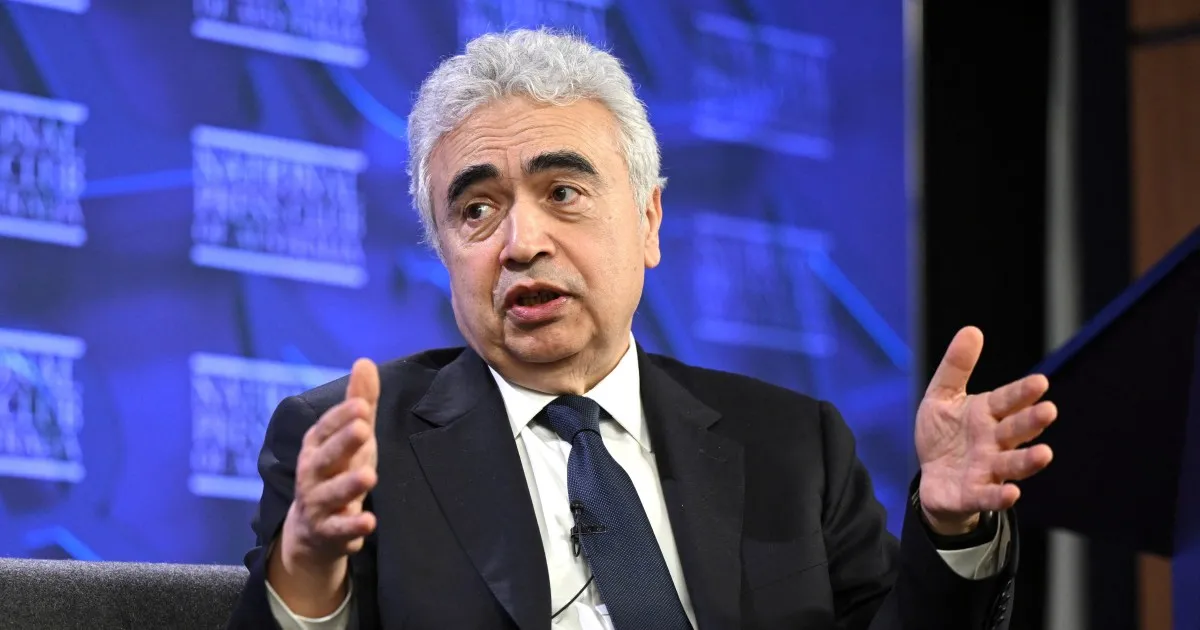
Energy crunch prompted by Iran war poses ‘major threat’ to global economy, Fatih Birol says.The world is facing a worse energy crisis than the twin oil shocks of the 1970s and the fallout of the Ukraine war combined, the head of the International Energy Agency (IEA) has warned.Speaking at a media event in Australia on Monday, IEA Executive Director Fatih Birol said the energy crunch prompted by the US-Israel war on Iran exceeded the 1973 and 1979 oil shocks and gas shortages stemming from Russia’s 2022 invasion of Ukraine put together.Recommended Stories list of 4 itemslist 1 of 4Socialist Emmanuel Gregoire wins Paris mayoral racelist 2 of 4Asian stock markets plunge amid Trump’s ultimatum on Iranlist 3 of 4Kashmiris donate gold and cash to support Iranlist 4 of 4Immense damage seen in Iran’s streets after air strikesend of list“This crisis, as things stand, is now two oil crises and one gas crash put all together,” Birol said in remarks to the National Press Club of Australia in Canberra.Birol said the effective closure of the Strait of Hormuz and attacks on energy facilities had reduced global oil supplies by about 11 million barrels per day (bpd), more than double the combined shortfalls of the 1970s’ crises.He said liquefied natural gas (LNG) supplies had been reduced by about 140 billion cubic metres, compared with a shortfall of 75bcm in the aftermath of Ukraine’s invasion by Russia.At least 40 energy facilities across nine countries have also been severely damaged in the conflict, the IEA chief said.“The global economy is facing a major, major threat today, and I very much hope that this issue will be resolved as soon as possible,” Birol said.Birol also expressed concern that the scale of the crisis had previously not been fully understood, explaining his decision to speak publicly about the situation last week for the first time.On Friday, the Paris-based intergovernmental organisation, which earlier this month announced plans to coordinate the release of 400 million barrels of oil from emergency stockpiles, proposed a series of measures governments could take to reduce energy consumption.
SRCAl Jazeera
LANGEN
LEANCenter
WORDS345
ENT8
MON · 2026-03-23 · 07:07 GMTBRIEF NSR-2026-0323-30079
NSR-2026-0323-30079News Report·EN·Economic Impact
World in energy crisis worse than 1970s’ oil shocks combined, IEA head says
IEA Executive Director Fatih Birol stated that the current energy crisis, triggered by the US-Israel war on Iran, poses a "major threat" to the global economy. Speaking in Australia, Birol said the crisis surpasses the combined impact of the 1970s oil shocks and the energy fallout from the Ukraine war.
John PowerAl JazeeraFiled 2026-03-23 · 07:07 GMTLean · CenterRead · 2 min
Al JazeeraFIG 01
Reading time
2min
Word count
345words
Sources cited
1cited
Entities identified
8entities
Quality score
100%
§ 01
Briefing Summary
AI-generatedNEWSAR · AI
IEA Executive Director Fatih Birol stated that the current energy crisis, triggered by the US-Israel war on Iran, poses a "major threat" to the global economy. Speaking in Australia, Birol said the crisis surpasses the combined impact of the 1970s oil shocks and the energy fallout from the Ukraine war. He noted a significant reduction in global oil and LNG supplies due to the conflict, with the Strait of Hormuz closure and attacks on energy facilities causing substantial damage. The IEA has proposed measures for governments to reduce energy consumption and coordinated the release of oil from emergency stockpiles. Birol expressed concern that the scale of the crisis had not been fully understood.
Confidence 0.90Sources 1Claims 5Entities 8
§ 02
Article analysis
Model · rule-basedFraming
Economic Impact
Conflict
Tone
Mixed Tone
AI-assessed
CalmNeutralAlarmist
Factuality
0.80 / 1.00
Factual
LowHigh
Sources cited
1
Limited
FewMany
§ 03
Key claims
5 extracted01
At least 40 energy facilities across nine countries have also been severely damaged in the conflict.
statisticFatih Birol
Confidence
1.00
02
Liquefied natural gas (LNG) supplies had been reduced by about 140 billion cubic metres.
statisticFatih Birol
Confidence
1.00
03
Effective closure of the Strait of Hormuz and attacks on energy facilities had reduced global oil supplies by about 11 million barrels per day.
statisticFatih Birol
Confidence
1.00
04
The energy crunch prompted by the US-Israel war on Iran exceeded the 1973 and 1979 oil shocks.
quoteFatih Birol
Confidence
1.00
05
The world is facing a worse energy crisis than the twin oil shocks of the 1970s and the fallout of the Ukraine war combined.
quoteFatih Birol
Confidence
1.00
§ 04
Full report
2 min read · 345 words§ 05
Entities
8 identifiedKey playerOppositionContextPositiveNeutralNegative
Organizations1
§ 06
Keywords & salience
9 termsenergy crisis
1.00
oil shocks
0.80
global economy
0.70
iea
0.70
oil supplies
0.60
strait of hormuz
0.50
iran war
0.50
lng
0.50
energy facilities
0.40
§ 07
Topic connections
Interactive graph No topic relationship data available yet. This graph will appear once topic relationships have been computed.