African leaders are pushing to have colonial-era crimes recognised, criminalised and addressed through reparations.At a conference in the Algerian capital, Algiers, diplomats and leaders convened to advance an African Union resolution passed at a meeting earlier this year calling for justice and reparations for victims of colonialism.Algerian foreign minister Ahmed Attaf said Algeria’s experience under French rule highlighted the need to seek compensation and reclaim stolen property.A legal framework, he added, would ensure restitution is seen as “neither a gift nor a favour”.“Africa is entitled to demand the official and explicit recognition of the crimes committed against its peoples during the colonial period, an indispensable first step toward addressing the consequences of that era, for which African countries and peoples continue to pay a heavy price in terms of exclusion, marginalisation and backwardness,” Attaf said.International conventions and statutes accepted by a majority of countries have outlawed practices including slavery, torture and apartheid. The United Nations Charter prohibits the seizure of territory by force but does not explicitly reference colonialism.That absence was central to the African Union’s February summit, where leaders discussed a proposal to develop a unified position on reparations and formally define colonisation as a crime against humanity.The economic cost of colonialism in Africa is believed to be staggering, with some estimates in the trillions. European powers extracted natural resources often through brutal methods, amassing vast profits from gold, rubber, diamonds and other minerals, while leaving local populations impoverished.African states have in recent years intensified demands for the return of looted artefacts still housed in European museums.Attaf said it was no mistake that the conference was held in Algeria, a country that suffered some of the most brutal forms of French colonial rule and fought a bloody war between 1954 and 1962 to win its independence.Its impact was far-reaching: nearly a million European settlers held greater political, economic and social privileges, even though Algeria was legally part of France and its men were conscripted during the second world war.Hundreds of thousands of people died in the country’s revolution, during which French forces tortured detainees, disappeared suspects and devastated villages as part of a counterinsurgency strategy to maintain their grip on power.“Our continent retains the example of Algeria’s bitter ordeal as a rare model, almost without equivalent in history, in its nature, its logic and its practices,” Attaf said.Algeria’s experience has long informed its position on the disputed Western Sahara, a former Spanish colony claimed by neighbouring Morocco and the pro-independence Polisario Front.Attaf on Sunday framed it as a case of unfinished decolonisation, echoing the African Union’s formal stance even as a growing number of member states have moved to support Morocco’s claim to the territory.He called it “Africa’s last colony” and lauded the indigenous Sahrawis’ fight “to assert their legitimate and legal right to self-determination, as confirmed – and continuously reaffirmed – by international legality and UN doctrine on decolonisation”.Algeria has for decades pressed for colonialism to be tackled through international law, even as its leaders tread carefully to avoid inflaming tensions with France, where the war’s legacy remains politically sensitive.French president Emmanuel Macron in 2017 described elements of the history as a crime against humanity but stopped short of issuing an official apology and implored Algerians not to dwell on past injustices.Mohamed Arezki Ferrad, a member of Algeria’s parliament, told the Associated Press that compensation had to be more than symbolic, noting Algerian artefacts looted by France have yet to be returned. That includes Baba Merzoug, a 16th-century cannon that remains in Brest.Earlier in November, the Guardian reported on similar calls in the Caribbean, with a delegation from the body leading that region’s slavery reparations movement preparing to visit the UK to advocate on the issue.Caribbean governments have also been calling for recognition of the lasting legacy of colonialism and enslavement, and for reparative justice from former colonisers, including a full formal apology and forms of financial reparations.
SRCThe Guardian - World News
LANGEN
LEANCenter-Left
WORDS650
ENT4
SUN · 2025-11-30 · 21:40 GMTBRIEF NSR-2025-1130-314
NSR-2025-1130-314News Report·EN·Political Strategy
African leaders push for recognition of colonial crimes and reparations
African leaders are advocating for the recognition and criminalization of colonial-era crimes, seeking reparations for the lasting damage inflicted on the continent. At a conference in Algiers, diplomats and leaders convened to advance an African Union resolution demanding justice for victims of colonialism.
Associated PressThe Guardian - World NewsFiled 2025-11-30 · 21:40 GMTLean · Center-LeftRead · 3 min
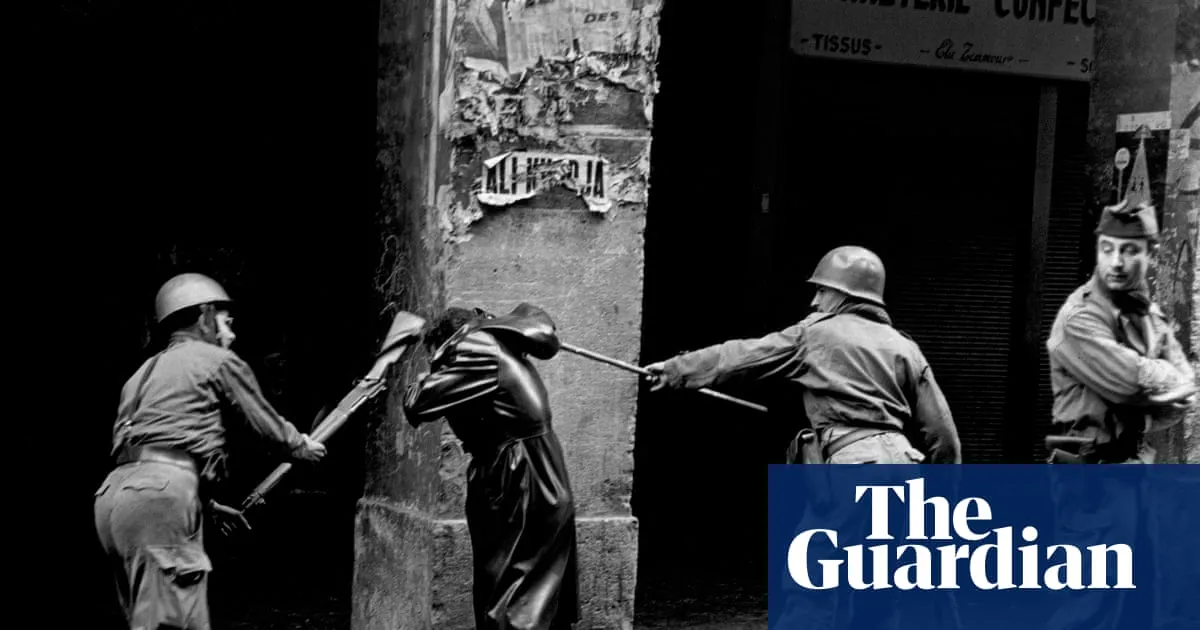
The Guardian - World NewsFIG 01
Reading time
3min
Word count
650words
Sources cited
1cited
Entities identified
4entities
Quality score
100%
§ 01
Briefing Summary
AI-generatedNEWSAR · AI
African leaders are advocating for the recognition and criminalization of colonial-era crimes, seeking reparations for the lasting damage inflicted on the continent. At a conference in Algiers, diplomats and leaders convened to advance an African Union resolution demanding justice for victims of colonialism. Algeria's foreign minister emphasized the need for compensation and the return of stolen property, highlighting the economic exploitation and lasting marginalization experienced by African nations. The African Union aims to formally define colonization as a crime against humanity and develop a unified position on reparations. The conference location in Algeria, a country with a history of brutal French colonial rule, underscores the significance of addressing these historical injustices.
Confidence 0.90Sources 1Claims 5Entities 4
§ 02
Article analysis
Model · rule-basedFraming
Political Strategy
Legal & Judicial
Tone
Measured
AI-assessed
CalmNeutralAlarmist
Factuality
0.70 / 1.00
Factual
LowHigh
Sources cited
1
Limited
FewMany
§ 03
Key claims
5 extracted01
International conventions and statutes accepted by a majority of countries have outlawed practices including slavery, torture and apartheid.
factualArticle's own claim
Confidence
1.00
02
Algeria’s experience under French rule highlighted the need to seek compensation and reclaim stolen property.
quoteAhmed Attaf
Confidence
1.00
03
African leaders are pushing to have colonial-era crimes recognised, criminalised and addressed through reparations.
factualArticle's own claim
Confidence
0.90
04
Hundreds of thousands of people died in the country’s revolution.
factualArticle's own claim
Confidence
0.80
05
The economic cost of colonialism in Africa is believed to be staggering, with some estimates in the trillions.
statisticArticle's own claim
Confidence
0.70
§ 04
Full report
3 min read · 650 words§ 05
Entities
4 identifiedKey playerOppositionContextPositiveNeutralNegative
§ 06
Keywords & salience
9 termscolonial crimes
1.00
reparations
0.90
colonialism
0.80
african union
0.70
stolen property
0.60
looted artefacts
0.50
natural resources
0.50
algeria
0.40
crime against humanity
0.40
§ 07
Topic connections
Interactive graph Network visualization showing 48 related topics
View Full Graph Person Organization Location Event|Click node to navigate|Edge numbers = shared articles