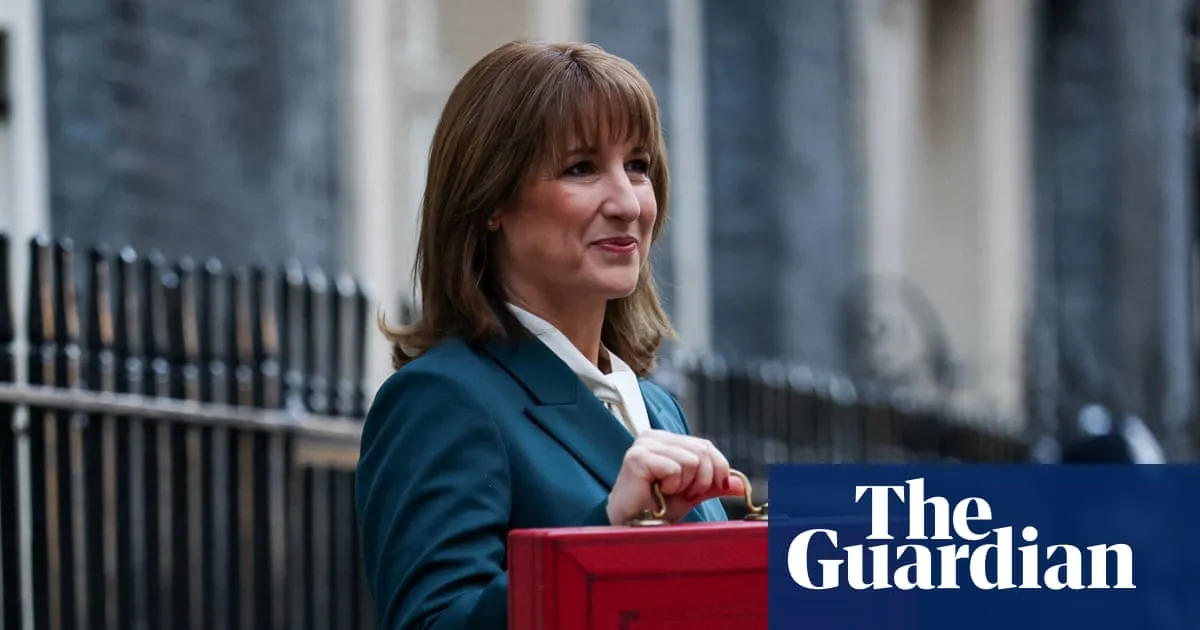
The UK government borrowed more than expected in November, official figures show, amid pressure on the economy before chancellor Rachel Reeves’s autumn budget.Figures from the Office for National Statistics (ONS) showed public sector net borrowing – the difference between spending and income – was £11.7bn last month, £1.9bn less than in the same month a year earlier.In the first snapshot since the November budget, the reading was above City predictions of a £10bn deficit.Tom Davies, an ONS senior statistician, said: “Despite an increase in spending, this month’s borrowing was the lowest November for four years. The main reason for the drop from last year was increased receipts from taxes and national insurance contributions.“However, across the financial year to date as a whole, borrowing is higher than last year.”Borrowing in the financial year to November was £132.3bn. This was £10bn more than in the same eight-month period of 2024, and the second-highest figure for the period on record after 2020, during the height of the Covid pandemic.The figures come a day after the Bank of England cut interest rates for a sixth time since August last year, easing some of the pressure on borrowers, in a pre-Christmas boost for the UK’s struggling economy.Activity had slid into reverse in the run-up to Reeves’s budget on 26 November, as speculation over tax changes weighed on household spending and business investment. Official figures show GDP shrank unexpectedly in October, while the Bank forecasts that growth is on track to flatline in the fourth quarter.After a year of speculation over whether the chancellor would breach her self-imposed fiscal rules, Reeves used the budget to increase her headroom against her main stability rule to £22bn – giving her more wriggle room against a fresh deterioration in the public finances.James Murray, the chief secretary to the Treasury, said the government was targeting budget savings.He said: “£1 in every £10 we spend goes on debt interest – money that could otherwise be invested in public services. That is why last month the chancellor set out a budget that delivers on our pledge to cut debt and borrowing.”According to the latest snapshot, revenue from compulsory social contributions increased by £3bn from a year earlier to £17.2bn, after changes to the rate of national insurance contributions paid by employers came into effect in April. For the year to November, compulsory social contributions reached £131.2bn, an increase of £21bn compared with the same period in 2024.November is typically a costly month for government spending, reflecting the timing of winter fuel payments. Overall net social benefit payments rose by £1.5bn from a year earlier to £26.8bn, largely because of inflation-linked increases and the state pension triple lock.Public sector net investment also rose by £1.9bn compared with a year earlier, mainly reflecting a £1.6bn payment towards the construction of the Hinkley Point C nuclear plant under a 2013 agreement with EDF.Elliott Jordan-Doak, a senior UK economist at the consultancy Capital Economics, said the higher-than-expected November borrowing figure showed it was “only a matter of time before fiscal worries begin to dominate the news flow again” after Reeves’s budget.“The public finances remain weak. Reeves has staked much fiscal credibility on chunky tax increases in the back end of the forecast period. But we think today’s figures further illustrate the shaky foundations of that gamble.”Mel Stride, the shadow chancellor, said: “At £132bn, borrowing this year is the highest on record, outside of the pandemic – yet at the budget Labour chose even more reckless spending, piling up ever higher debt. “Having scrapped the two-child benefit cap and abandoned welfare reform, Labour are borrowing more and more to fund irresponsible spending – heaping costs on the next generation and weakening the economy.”
SRCThe Guardian - World News
LANGEN
LEANCenter-Left
WORDS616
ENT5
FRI · 2025-12-19 · 07:15 GMTBRIEF NSR-2025-1219-3412
NSR-2025-1219-3412News Report·EN·Economic Impact
UK borrowed more than expected in November amid pre-budget pressure
UK government borrowing exceeded expectations in November, reaching £11.7 billion, according to the Office for National Statistics. This figure, released before Chancellor Rachel Reeves's autumn budget, is £1.9 billion less than November of the previous year but higher than anticipated.
Richard Partington Senior economics correspondentThe Guardian - World NewsFiled 2025-12-19 · 07:15 GMTLean · Center-LeftRead · 3 min
The Guardian - World NewsFIG 01
Reading time
3min
Word count
616words
Sources cited
3cited
Entities identified
5entities
Quality score
100%
§ 01
Briefing Summary
AI-generatedNEWSAR · AI
UK government borrowing exceeded expectations in November, reaching £11.7 billion, according to the Office for National Statistics. This figure, released before Chancellor Rachel Reeves's autumn budget, is £1.9 billion less than November of the previous year but higher than anticipated. Increased tax and national insurance receipts contributed to the year-on-year decrease, but overall borrowing for the financial year to November totaled £132.3 billion, surpassing last year's figure by £10 billion. The government aims to cut debt and borrowing, as stated by the Chief Secretary to the Treasury, with £1 in every £10 spent going towards debt interest. Revenue from compulsory social contributions increased due to changes in national insurance contributions.
Confidence 0.90Sources 3Claims 15Entities 5
§ 02
Article analysis
Model · rule-basedFraming
Economic Impact
Political Strategy
Tone
Measured
AI-assessed
CalmNeutralAlarmist
Factuality
0.80 / 1.00
Factual
LowHigh
Sources cited
3
Well sourced
FewMany
§ 03
Key claims
15 extracted01
Revenue from compulsory social contributions increased by £3bn from a year earlier to £17.2bn.
factualnull
Confidence
1.00
02
£1 in every £10 we spend goes on debt interest.
quoteJames Murray, the chief secretary to the Treasury
Confidence
1.00
03
This month’s borrowing was the lowest November for four years.
quoteTom Davies, an ONS senior statistician
Confidence
1.00
04
Borrowing in the financial year to November was £132.3bn, £10bn more than in the same eight-month period of 2024.
statisticOffice for National Statistics (ONS)
Confidence
1.00
05
Public sector net borrowing was £11.7bn last month, £1.9bn less than in the same month a year earlier.
statisticOffice for National Statistics (ONS)
Confidence
1.00
06
Revenue from compulsory social contributions increased by £3bn from a year earlier to £17.2bn.
statisticnull
Confidence
1.00
07
£1 in every £10 we spend goes on debt interest.
quoteJames Murray, the chief secretary to the Treasury
Confidence
1.00
08
This month’s borrowing was the lowest November for four years.
quoteTom Davies, an ONS senior statistician
Confidence
1.00
09
Borrowing in the financial year to November was £132.3bn, £10bn more than in the same eight-month period of 2024.
statisticOffice for National Statistics (ONS)
Confidence
1.00
10
Public sector net borrowing was £11.7bn last month, £1.9bn less than in the same month a year earlier.
statisticOffice for National Statistics (ONS)
Confidence
1.00
11
Revenue from compulsory social contributions increased by £3bn from a year earlier to £17.2bn.
factualnull
Confidence
1.00
12
£1 in every £10 we spend goes on debt interest.
quoteJames Murray, the chief secretary to the Treasury
Confidence
1.00
13
Despite an increase in spending, this month’s borrowing was the lowest November for four years.
quoteTom Davies, an ONS senior statistician
Confidence
1.00
14
Borrowing in the financial year to November was £132.3bn, £10bn more than in the same eight-month period of 2024.
statisticOffice for National Statistics (ONS)
Confidence
1.00
15
Public sector net borrowing was £11.7bn last month, £1.9bn less than in the same month a year earlier.
statisticOffice for National Statistics (ONS)
Confidence
1.00
§ 04
Full report
3 min read · 616 words§ 05
Entities
5 identifiedKey playerOppositionContextPositiveNeutralNegative
People3
Organizations1
Locations1
§ 06
Keywords & salience
8 termsuk borrowing
0.90
public sector net borrowing
0.80
autumn budget
0.70
national insurance contributions
0.60
economic growth
0.60
debt interest
0.50
fiscal rules
0.50
tax changes
0.40
§ 07
Topic connections
Interactive graph No topic relationship data available yet. This graph will appear once topic relationships have been computed.