If one were to travel to central China, in what is now Hubei province, 4,500 years ago, they might have been fortunate enough to discover a vibrant civilisation characterised by palaces, advanced engineering, and luxuries such as jade.However, in the generations that followed, this culture gradually declined, with its people dispersing across the region.Until now, the reasons behind the collapse of such a thriving civilisation were not well understood. A group of scientists now believe that the Shijiahe civilisation, which flourished along the middle Yangtze River from 2500 to 2000 BC, was ultimately undone by climate change, specifically a dramatic increase in flooding that rendered the region uninhabitable for any society.To conduct their investigation, the research team examined a stalagmite from Heshang Cave in the central Yangtze Valley, creating a meticulously dated “rainfall yearbook.” Photo: ShutterstockProfessor Gideon Henderson from Oxford University noted in a statement that the insights into Shijiahe culture provided by lead author Dr Jin Liao from the China-university-of-geosciences" class="entity-link entity-organization" data-entity-id="41995" data-entity-type="organization">China University of Geosciences in Wuhan allowed the team to illustrate how climate change affected Shijiahe societies.He said the collaboration “enabled us to demonstrate, for one of the first times, that high rain can cause problems for past societies, as well as drought conditions.”The team analysed data from a stalagmite in Heshang Cave in Hubei province, which, due to its low nutrient levels, has become a critical resource for reconstructing ancient climate models.The Oxford researchers collected chemical data from layers of a stalagmite in the cave to create a “rainfall yearbook.” They gathered 925 samples from a thousand-year period that coincided with the existence of the Shijiahe civilisation.Their findings revealed that the region experienced an extreme environmental and cultural shift around 3,950 years ago, which coincided with the year of the heaviest rainfall recorded in their climate yearbook.
SRCSouth China Morning Post
LANGEN
LEANCenter-Right
WORDS298
ENT10
WED · 2026-03-25 · 10:00 GMTBRIEF NSR-2026-0325-34477
NSR-2026-0325-34477News Report·EN·Environmental
How climate change led to demise of once-thriving Chinese civilisation 4,500 years ago
A new study suggests that climate change led to the decline of the Shijiahe civilization in central China around 4,500 years ago. The Shijiahe civilization, located in present-day Hubei province along the middle Yangtze River, thrived from 2500 to 2000 BC.
Kevin McSpaddenSouth China Morning PostFiled 2026-03-25 · 10:00 GMTLean · Center-RightRead · 2 min
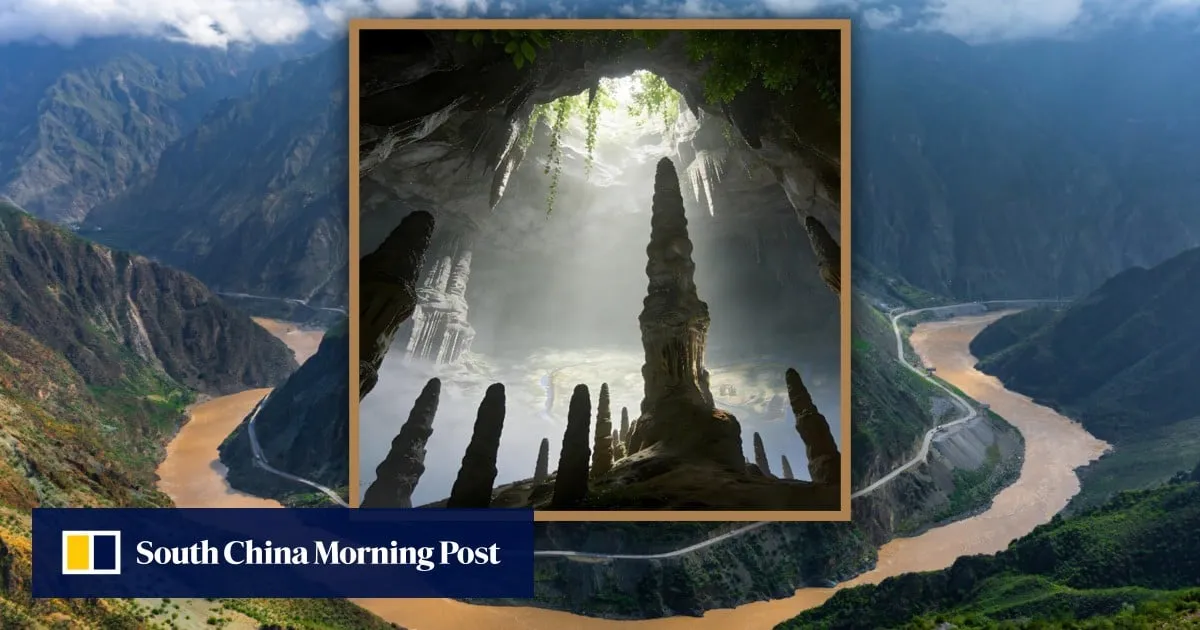
South China Morning PostFIG 01
Reading time
2min
Word count
298words
Sources cited
1cited
Entities identified
10entities
Quality score
100%
§ 01
Briefing Summary
AI-generatedNEWSAR · AI
A new study suggests that climate change led to the decline of the Shijiahe civilization in central China around 4,500 years ago. The Shijiahe civilization, located in present-day Hubei province along the middle Yangtze River, thrived from 2500 to 2000 BC. Researchers analyzed a stalagmite from Heshang Cave to create a "rainfall yearbook" spanning a thousand years. The analysis revealed a period of extreme rainfall around 3,950 years ago, coinciding with the civilization's decline. Scientists believe this dramatic increase in flooding rendered the region uninhabitable, causing the dispersal of the Shijiahe people. The study demonstrates that excessive rainfall, not just drought, can negatively impact past societies.
Confidence 0.90Sources 1Claims 5Entities 10
§ 02
Article analysis
Model · rule-basedFraming
Environmental
Tone
Measured
AI-assessed
CalmNeutralAlarmist
Factuality
0.80 / 1.00
Factual
LowHigh
Sources cited
1
Limited
FewMany
§ 03
Key claims
5 extracted01
"enabled us to demonstrate, for one of the first times, that high rain can cause problems for past societies, as well as drought conditions."
quoteProfessor Gideon Henderson from Oxford University
Confidence
1.00
02
The team analysed data from a stalagmite in Heshang Cave in Hubei province.
factualnull
Confidence
1.00
03
The Shijiahe civilisation flourished along the middle Yangtze River from 2500 to 2000 BC.
factualnull
Confidence
1.00
04
The region experienced an extreme environmental and cultural shift around 3,950 years ago.
factualnull
Confidence
0.90
05
The Shijiahe civilisation was undone by climate change, specifically a dramatic increase in flooding.
factualA group of scientists
Confidence
0.90
§ 04
Full report
2 min read · 298 words§ 05
Entities
10 identifiedKey playerOppositionContextPositiveNeutralNegative
§ 06
Keywords & salience
9 termsclimate change
1.00
shijiahe civilization
0.90
flooding
0.80
rainfall
0.70
stalagmite
0.60
ancient climate
0.60
cultural collapse
0.50
heshang cave
0.50
yangtze river
0.40
§ 07
Topic connections
Interactive graph No topic relationship data available yet. This graph will appear once topic relationships have been computed.