Shenzhen – southern China’s technology powerhouse – has launched an ambitious three-year action plan to build itself into a hub for intelligent computing clusters by advancing key areas such as semiconductors, storage and AI servers.The city aimed to see a “leapfrog” increase in the production capacity and shipment volume of the entire AI server supply chain by 2028, according to the plan published Monday by Shenzhen’s industry and information technology bureau.The blueprint is geared to “significantly boost the global market share of key components”, including chips, storage, printed circuit boards, power supplies and optical modules.A key message is technological sovereignty.The plan supports domestic chips, including graphics processing units, central processing units and neural processing units, and the “deep integration” of the open-source RISC-V architecture – adopted by many Chinese semiconductor giants to avoid US sanctions – with the open-source operating systems OpenEuler and OpenHarmony, both initially developed by Huawei Technologies before being donated to China’s OpenAtom Foundation.The Shenzhen plan supports the “deep integration” of the open-source RISC-V architecture. Photo: HandoutAll the hardware is intended to serve AI model training and computing.
SRCSouth China Morning Post
LANGEN
LEANCenter-Right
WORDS181
ENT8
WED · 2026-03-25 · 08:00 GMTBRIEF NSR-2026-0325-34489
NSR-2026-0325-34489News Report·EN·Technology
Shenzhen eyes ‘leapfrog’ gains in AI server supply chain under self-reliance push
Shenzhen, China, aims to become a major hub for intelligent computing clusters by 2028 through a new three-year action plan. The plan, published by Shenzhen's industry and information technology bureau, focuses on achieving significant growth in the production and shipment of AI server supply chain components, including semiconductors and storage.
Coco FengSouth China Morning PostFiled 2026-03-25 · 08:00 GMTLean · Center-RightRead · 1 min
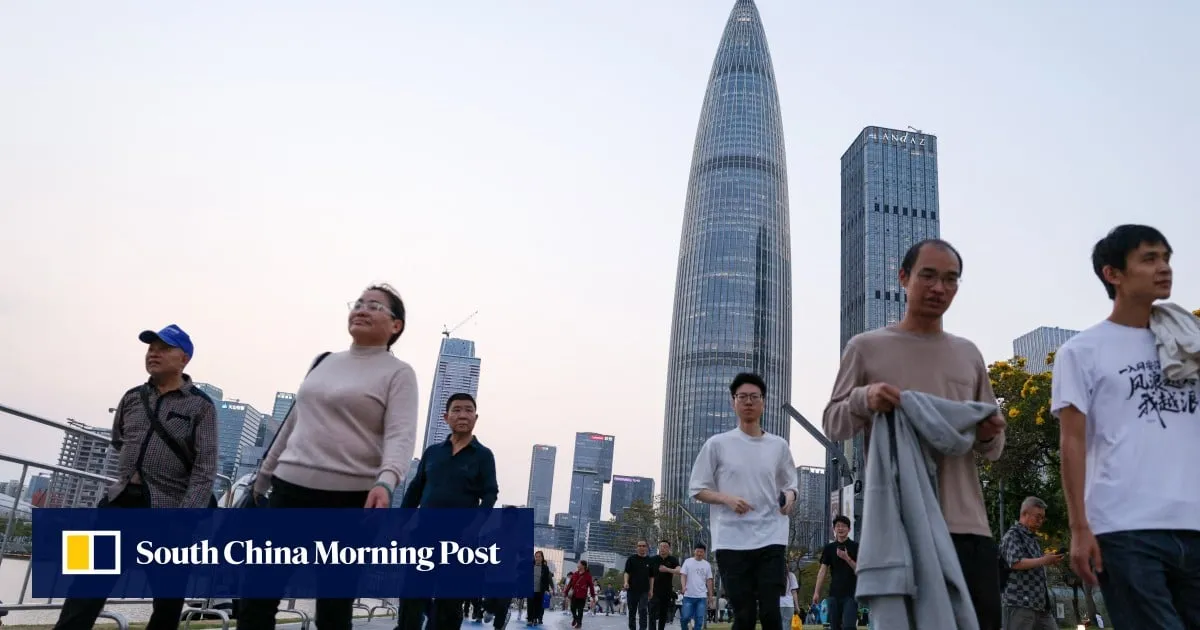
South China Morning PostFIG 01
Reading time
1min
Word count
181words
Sources cited
0cited
Entities identified
8entities
Quality score
100%
§ 01
Briefing Summary
AI-generatedNEWSAR · AI
Shenzhen, China, aims to become a major hub for intelligent computing clusters by 2028 through a new three-year action plan. The plan, published by Shenzhen's industry and information technology bureau, focuses on achieving significant growth in the production and shipment of AI server supply chain components, including semiconductors and storage. A key goal is to increase the global market share of domestically produced key components like chips and circuit boards. The initiative emphasizes technological self-reliance by supporting domestic chips and the integration of the RISC-V architecture with open-source operating systems. The hardware developed will primarily support AI model training and computing.
Confidence 0.90Claims 5Entities 8
§ 02
Article analysis
Model · rule-basedFraming
Technology
Economic Impact
Tone
Measured
AI-assessed
CalmNeutralAlarmist
Factuality
0.80 / 1.00
Factual
LowHigh
Sources cited
0
No named sources
FewMany
§ 03
Key claims
5 extracted01
The Shenzhen plan supports the “deep integration” of the open-source RISC-V architecture.
factualNull
Confidence
1.00
02
The plan supports domestic chips, including GPUs, CPUs and NPUs.
factualNull
Confidence
1.00
03
Shenzhen launched a three-year action plan to build itself into a hub for intelligent computing clusters.
factualShenzhen's industry and information technology bureau
Confidence
1.00
04
The city aimed to see a “leapfrog” increase in the production capacity and shipment volume of the AI server supply chain by 2028.
predictionShenzhen's industry and information technology bureau
Confidence
0.90
05
The blueprint is geared to “significantly boost the global market share of key components”.
predictionShenzhen's industry and information technology bureau
Confidence
0.80
§ 04
Full report
1 min read · 181 words§ 05
Entities
8 identifiedKey playerOppositionContextPositiveNeutralNegative
Organizations5
§ 06
Keywords & salience
9 termsai server supply chain
0.90
semiconductors
0.70
artificial intelligence
0.70
technological sovereignty
0.70
domestic chips
0.60
open-source
0.60
risc-v architecture
0.60
intelligent computing
0.50
shenzhen
0.50
§ 07
Topic connections
Interactive graph Network visualization showing 43 related topics
View Full Graph Person Organization Location Event|Click node to navigate|Edge numbers = shared articles