UN adopts slavery resolution despite resistance
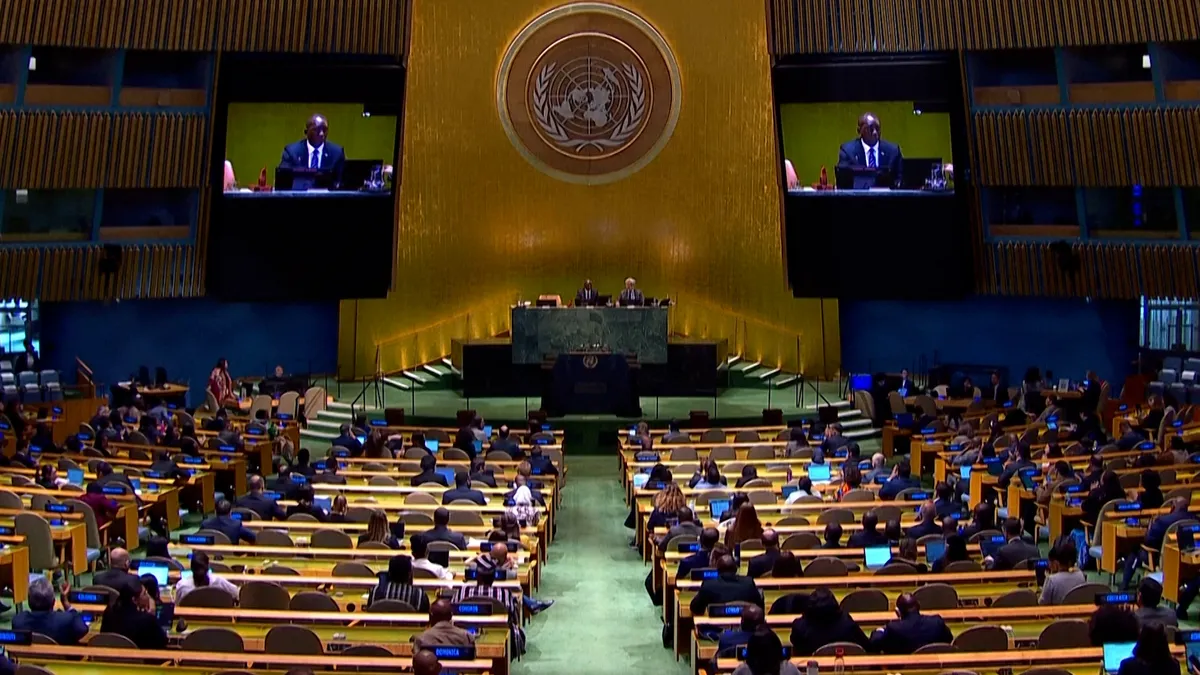
In March 2026, the UN General Assembly adopted a resolution, led by Ghana, recognizing transatlantic slavery as the "gravest crime against humanity." The resolution passed despite opposition from the United States, Israel, Argentina, and several European nations. The resolution acknowledges the historical significance and lasting impact of transatlantic slavery.
Briefing Summary
AI-generatedIn March 2026, the UN General Assembly adopted a resolution, led by Ghana, recognizing transatlantic slavery as the "gravest crime against humanity." The resolution passed despite opposition from the United States, Israel, Argentina, and several European nations. The resolution acknowledges the historical significance and lasting impact of transatlantic slavery. It aims to promote awareness, education, and remembrance of the victims and legacies of this historical injustice. The specific reasons for the resistance from the dissenting countries were not detailed in the provided article.
Article analysis
Model · rule-basedKey claims
3 extractedThe measure passed despite resistance from the US, Israel, Argentina and Europe.
The resolution recognizes transatlantic slavery as the “gravest crime against humanity”.
The UN General Assembly adopted a Ghana-led resolution.