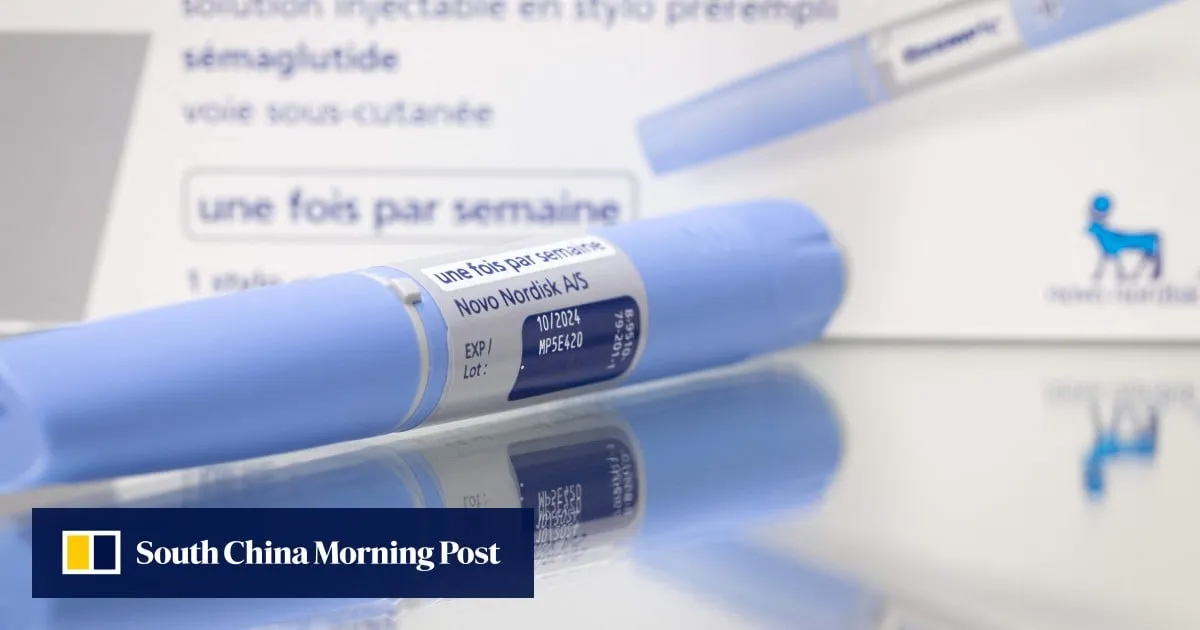
At least 10 weight-loss injections and oral pills are lining up for regulatory approval in China, in a market projected to reach about US$14 billion by 2030.Novo Nordisk’s blockbuster Semaglutide, which generated about US$35 billion in global revenue last year, lost patent protection in China on March 20, clearing the way for rivals.The rush comes as China’s drug regulator accelerates approvals of innovative therapies, helped by a surge in out-licensing deals with global pharmaceutical giants.Notable applicants included Hengrui Medicine, China’s largest listed pharmaceutical firm by revenue, and Innovent Biologics, whose lower-dose version of mazdutide became the first home-grown obesity drug approved in China for chronic weight management, according to the National Medical Products Administration (NMPA).Both Hengrui Pharma’s ribupatide and Innovent’s higher-dose mazdutide have reported phase 3 trial data suggesting greater weight-loss efficacy than Semaglutide.Hengrui’s once-weekly injection delivered 17.7 per cent average weight loss at its highest dose of 6 milligrams at 48 weeks, while Innovent’s 9mg of mazdutide achieved an 18.55 per cent average weight reduction at week 60, the companies’ trials showed.
SRCSouth China Morning Post
LANGEN
LEANCenter-Right
WORDS173
ENT8
THU · 2026-03-26 · 03:00 GMTBRIEF NSR-2026-0326-36047
NSR-2026-0326-36047News Report·EN·Economic Impact
China’s weight-loss drug makers take on global giants as Novo Nordisk patent expires
With Novo Nordisk's semaglutide patent expiring in China on March 20, Chinese pharmaceutical companies are poised to enter the weight-loss drug market, projected to reach $14 billion by 2030. At least ten weight-loss injections and oral pills are awaiting regulatory approval in China.
Julie ZhangSouth China Morning PostFiled 2026-03-26 · 03:00 GMTLean · Center-RightRead · 1 min
South China Morning PostFIG 01
Reading time
1min
Word count
173words
Sources cited
1cited
Entities identified
8entities
Quality score
100%
§ 01
Briefing Summary
AI-generatedNEWSAR · AI
With Novo Nordisk's semaglutide patent expiring in China on March 20, Chinese pharmaceutical companies are poised to enter the weight-loss drug market, projected to reach $14 billion by 2030. At least ten weight-loss injections and oral pills are awaiting regulatory approval in China. Companies like Hengrui Medicine and Innovent Biologics are leading the charge, with Innovent already securing approval for a lower-dose obesity drug. Clinical trial data from Hengrui and Innovent suggest their drugs, ribupatide and mazdutide respectively, may offer greater weight-loss efficacy than semaglutide. This surge in domestic competition is occurring as China's drug regulator expedites approvals of innovative therapies.
Confidence 0.90Sources 1Claims 5Entities 8
§ 02
Article analysis
Model · rule-basedFraming
Economic Impact
Technology
Tone
Measured
AI-assessed
CalmNeutralAlarmist
Factuality
0.90 / 1.00
Factual
LowHigh
Sources cited
1
Limited
FewMany
§ 03
Key claims
5 extracted01
Innovent Biologics' mazdutide became the first home-grown obesity drug approved in China.
factual
Confidence
1.00
02
Novo Nordisk’s semaglutide lost patent protection in China on March 20.
factual
Confidence
1.00
03
Hengrui's ribupatide delivered 17.7 per cent average weight loss at its highest dose at 48 weeks.
statisticHengrui Pharma
Confidence
0.90
04
At least 10 weight-loss injections and oral pills are lining up for regulatory approval in China.
factual
Confidence
0.90
05
The Chinese weight-loss drug market is projected to reach about US$14 billion by 2030.
statistic
Confidence
0.80
§ 04
Full report
1 min read · 173 words§ 05
Entities
8 identifiedKey playerOppositionContextPositiveNeutralNegative
Organizations7
Locations1
§ 06
Keywords & salience
10 termsweight-loss drugs
1.00
china
0.90
novo nordisk
0.80
semaglutide
0.80
patent expiration
0.70
drug approval
0.70
innovent biologics
0.60
pharmaceutical
0.60
hengrui medicine
0.60
clinical trials
0.50
§ 07
Topic connections
Interactive graph Network visualization showing 11 related topics
View Full Graph Person Organization Location Event|Click node to navigate|Edge numbers = shared articles