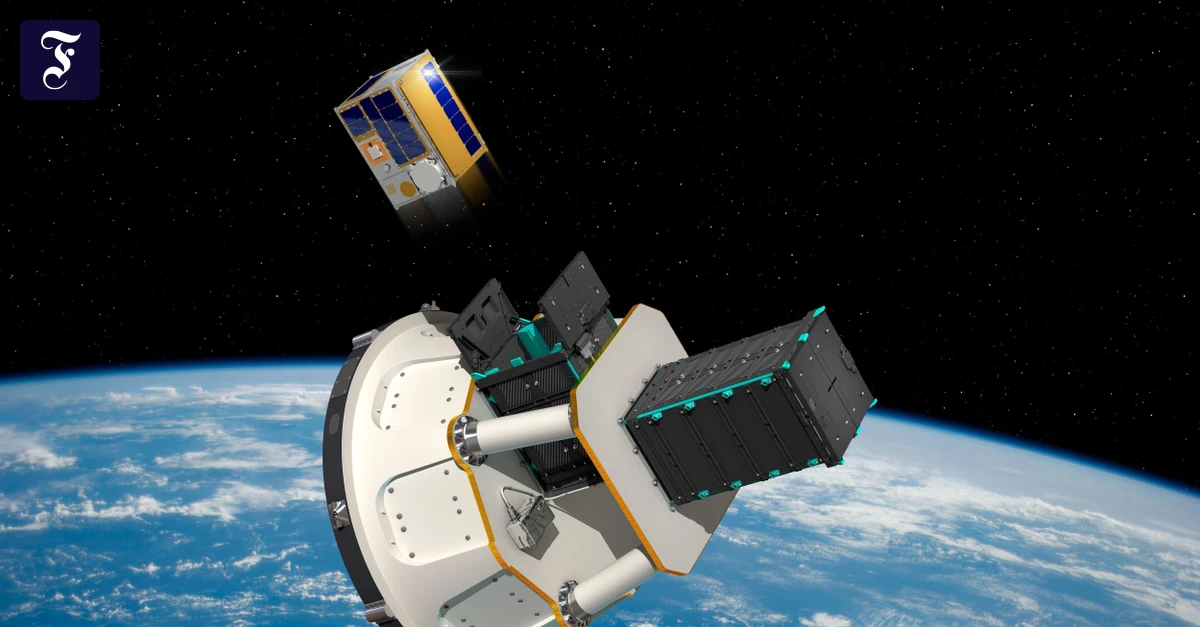
Die Europäische Raumfahrtagentur baut ein neues System für die Navigation auf. Damit findet ein Smartphone schneller und genauer seinen Standort. Die ersten beiden Satelliten sind nun gestartet.Die Europäische Raumfahrtagentur ESA hat am Samstag zwei Navigationssatelliten in die Umlaufbahn gebracht. Es handelt sich um die ersten beiden Flugkörper des Programms Celeste, wie die ESA an ihrem deutschen Sitz in Darmstadt mitteilte. Celeste wird nach ihren Angaben das europäische Navigationssystem Galileo ergänzen. Die Daten sollen für den Schiffs- und Flugverkehr sowie für die Steuerung autonomer Fahrzeuge verwendet werden.Eine Rakete mit den ersten beiden Flugkörpern ist am Samstagvormittag in Neuseeland abgehoben, wie die ESA berichtete. Zwei Stunden später empfing eine Bodenstation das erste Signal, mit dem die Satelliten anzeigen, dass ihre Solarpaneele sich wie geplant entfaltet haben und die Technik einsatzbereit ist. Das Celeste-Programm umfasst elf Satelliten, die vom nächsten Jahr an in die Umlaufbahn gebracht werden sollen.Die neuen Satelliten kreisen der ESA zufolge in einer niedrigeren Umlaufbahn um die Erde als die bisherigen Navigationssatelliten und ermöglichen damit eine genauere Orientierung, besonders in Großstädten. Damit kann ein Smartphone zum Beispiel zwischen hohen Gebäuden seinen Standort schneller und genauer bestimmen. „Mit dieser Mission testen wir neue Grenzen für die Satellitennavigation“, sagte ESA-Generaldirektor Josef Aschbacher nach dem Start.„In den letzten zwei Jahrzehnten ist die Satellitennavigation zu einem festen Bestandteil unserer Gesellschaft geworden“, erläuterte Francisco-Javier Benedicto Ruiz, bei der ESA Direktor für Navigation. Wenn Europa über eigene Satelliten verfüge, mache es sich unabhängig. Das Programm Celeste werde Wirtschaftswachstum anstoßen, weil Unternehmen die Daten kommerziell nutzen könnten.
SRCFAZ
LANGDE
LEANCenter-Right
WORDS250
ENT8
SAT · 2026-03-28 · 17:16 GMTBRIEF NSR-2026-0328-41131
NSR-2026-0328-41131News Report·DE·Technology
ESA meldet Raketenstart: Zwei europäische Satelliten für die Navigation gestartet
Die Europäische Raumfahrtagentur (ESA) hat am Samstag in Neuseeland die ersten zwei Satelliten des neuen Navigationsprogramms Celeste gestartet. Celeste soll das europäische Galileo-System ergänzen und präzisere Standortdaten liefern, insbesondere in städtischen Gebieten.
FAZFiled 2026-03-28 · 17:16 GMTLean · Center-RightRead · 1 min
FAZFIG 01
Reading time
1min
Word count
250words
Sources cited
3cited
Entities identified
8entities
Quality score
100%
§ 01
Briefing Summary
AI-generatedNEWSAR · AI
Die Europäische Raumfahrtagentur (ESA) hat am Samstag in Neuseeland die ersten zwei Satelliten des neuen Navigationsprogramms Celeste gestartet. Celeste soll das europäische Galileo-System ergänzen und präzisere Standortdaten liefern, insbesondere in städtischen Gebieten. Die Satelliten umkreisen die Erde in einer niedrigeren Umlaufbahn als bisherige Navigationssatelliten. Die gewonnenen Daten sollen für Schiffs- und Flugverkehr, autonome Fahrzeuge und verbesserte Smartphone-Navigation genutzt werden. Das Celeste-Programm umfasst insgesamt elf Satelliten, deren Starts ab dem nächsten Jahr geplant sind. Die ESA betont die Unabhängigkeit Europas durch eigene Satellitennavigation und erwartet wirtschaftliches Wachstum durch kommerzielle Nutzung der Daten.
Confidence 0.90Sources 3Claims 5Entities 8
§ 02
Article analysis
Model · rule-basedFraming
Technology
Economic Impact
Tone
Measured
AI-assessed
CalmNeutralAlarmist
Factuality
0.80 / 1.00
Factual
LowHigh
Sources cited
3
Well sourced
FewMany
§ 03
Key claims
5 extracted01
With this mission, we are testing new boundaries for satellite navigation.
quoteJosef Aschbacher, ESA-Generaldirektor
Confidence
1.00
02
Celeste includes eleven satellites to be launched starting next year.
factualESA
Confidence
1.00
03
The data will be used for shipping, air traffic, and autonomous vehicle control.
factualESA
Confidence
1.00
04
Celeste will supplement the European navigation system Galileo.
factualESA
Confidence
1.00
05
ESA launched two navigation satellites as part of the Celeste program.
factualnull
Confidence
1.00
§ 04
Full report
1 min read · 250 words§ 05
Entities
8 identifiedKey playerOppositionContextPositiveNeutralNegative
Organizations3
§ 06
Keywords & salience
8 termssatellitennavigation
1.00
esa
0.90
navigation
0.80
satellitenstart
0.70
celeste-programm
0.70
umlaufbahn
0.60
genauere orientierung
0.50
autonome fahrzeuge
0.40
§ 07
Topic connections
Interactive graph Network visualization showing 5 related topics
View Full Graph Person Organization Location Event|Click node to navigate|Edge numbers = shared articles