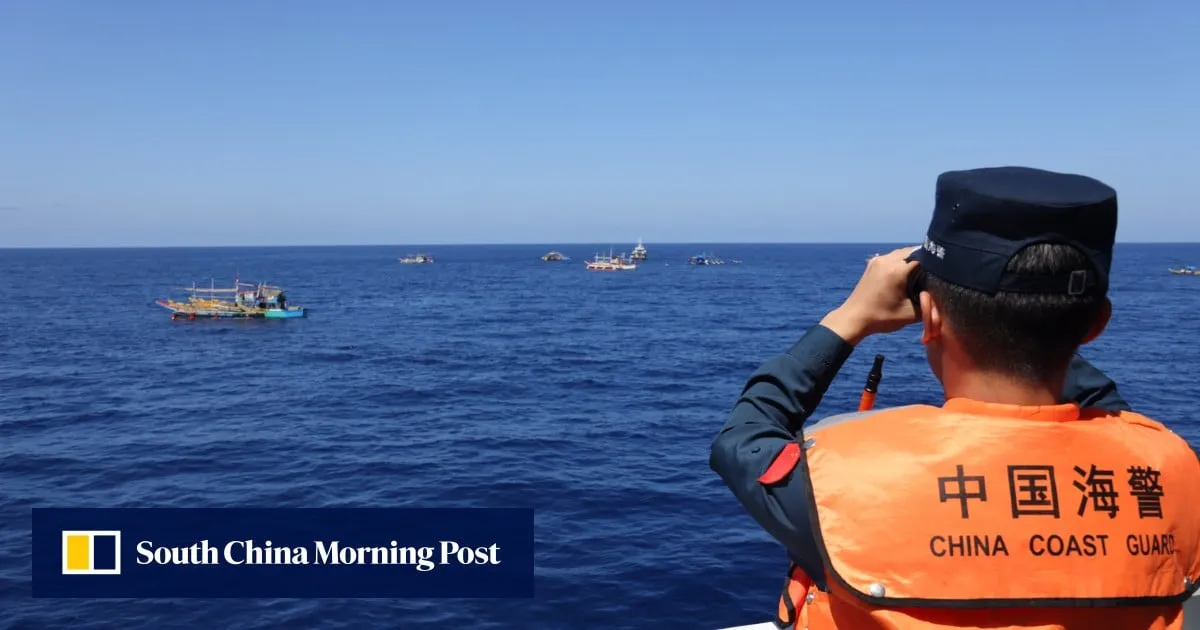
Why revived China-Philippine talks won’t lead to energy cooperation in the South China SeaFerdinand Marcos Jnr says a reset in the fractious relationship is under way but observers aren’t so sure3-MIN READ3-MIN8 ListenPublished: 8:00am, 30 Mar 2026Updated: 9:58am, 30 Mar 2026Maritime tensions between China and the Philippines are likely to persist despite Manila’s call for energy cooperation, Chinese observers said after revived diplomatic talks on the weekend.Senior diplomats from the two countries met in the Chinese city of Quanzhou on Friday and Saturday for two rounds of talks, covering a range of issues from oil and gas cooperation in the China-sea" class="entity-link entity-location" data-entity-id="8346" data-entity-type="location">South China Sea to renewable energy and coastguard communication.The foreign ministry consultations were held for the first time in three years while the Bilateral Consultation Mechanism on the China-sea" class="entity-link entity-location" data-entity-id="8346" data-entity-type="location">South China Sea last convened in January 2025. The mechanism was expected to be held twice a year when it was launched in 2017.They were held just days after Manila declared a national energy crisis induced by Iran’s blockade of the Strait of Hormuz in retaliation for missile strikes by Israel and the United States.With the Philippines running short of fuel, Philippine President Ferdinand Marcos Jnr told Bloomberg on Tuesday that the conflict in the Middle East might help Manila and Beijing jump-start their oil and gas project in the China-sea" class="entity-link entity-location" data-entity-id="8346" data-entity-type="location">South China Sea.He also said a reset of ties with China was “happening now”.Select VoiceSelect Speed0.8x0.9x1.0x1.1x1.2x1.5x1.75x00:0000:001.00x
SRCSouth China Morning Post
LANGEN
LEANCenter-Right
WORDS234
ENT11
MON · 2026-03-30 · 00:00 GMTBRIEF NSR-2026-0330-42571
NSR-2026-0330-42571Analysis·EN·Political Strategy
Why revived China-Philippine talks won’t lead to energy cooperation in the South China Sea
Despite revived diplomatic talks between China and the Philippines in Quanzhou in late March 2026, observers doubt energy cooperation in the South China Sea will materialize. The talks, the first in three years, covered oil and gas cooperation, renewable energy, and coastguard communication.
Alyssa ChenSouth China Morning PostFiled 2026-03-30 · 00:00 GMTLean · Center-RightRead · 1 min
South China Morning PostFIG 01
Reading time
1min
Word count
234words
Sources cited
1cited
Entities identified
11entities
Quality score
100%
§ 01
Briefing Summary
AI-generatedNEWSAR · AI
Despite revived diplomatic talks between China and the Philippines in Quanzhou in late March 2026, observers doubt energy cooperation in the South China Sea will materialize. The talks, the first in three years, covered oil and gas cooperation, renewable energy, and coastguard communication. Philippine President Marcos Jnr suggested the energy crisis, induced by the Strait of Hormuz blockade, might accelerate joint projects with China. He also stated that a reset of ties with China was underway. However, maritime tensions and existing disputes are expected to hinder any significant progress in energy collaboration between the two nations. The Bilateral Consultation Mechanism on the South China Sea was expected to be held twice a year when it was launched in 2017, but has been delayed.
Confidence 0.90Sources 1Claims 5Entities 11
§ 02
Article analysis
Model · rule-basedFraming
Political Strategy
National Security
Tone
Measured
AI-assessed
CalmNeutralAlarmist
Factuality
0.60 / 1.00
Mixed
LowHigh
Sources cited
1
Limited
FewMany
§ 03
Key claims
5 extracted01
Ferdinand Marcos Jnr said a reset of ties with China was “happening now”.
quoteFerdinand Marcos Jnr
Confidence
1.00
02
The Bilateral Consultation Mechanism on the South China Sea last convened in January 2025.
factual
Confidence
1.00
03
The foreign ministry consultations were held for the first time in three years.
factual
Confidence
1.00
04
Senior diplomats from China and the Philippines met in Quanzhou for talks on oil and gas cooperation.
factual
Confidence
1.00
05
Maritime tensions between China and the Philippines are likely to persist despite Manila’s call for energy cooperation.
predictionChinese observers
Confidence
0.70
§ 04
Full report
1 min read · 234 words§ 05
Entities
11 identifiedKey playerOppositionContextPositiveNeutralNegative
§ 06
Keywords & salience
9 termssouth china sea
1.00
china-philippines relations
0.90
energy cooperation
0.80
diplomatic talks
0.70
oil and gas
0.70
maritime tensions
0.60
energy crisis
0.50
ferdinand marcos jnr
0.50
strait of hormuz
0.40
§ 07
Topic connections
Interactive graph Network visualization showing 51 related topics
View Full Graph Person Organization Location Event|Click node to navigate|Edge numbers = shared articles