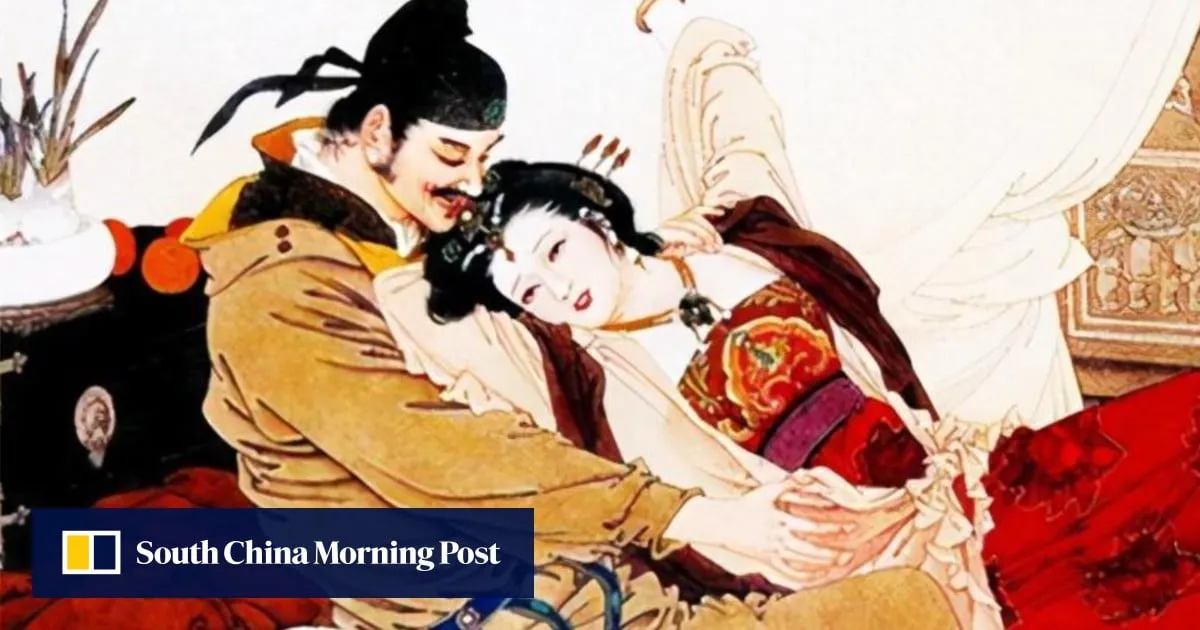
Before electricity, central heating, and down quilts, winter in ancient China was not simply a season but a test of class.Cold was shared by everyone, but warmth was usually not.During the Han dynasty (206 BC-220), emperors used specially designed “Warm Chambers” to protect themselves from the winter cold.The walls were plastered with a mixture of mud and Sichuan peppercorns, thought to preserve heat while resisting dampness and insects; curtains and screens helped keep out draughts.The above image depicts what life was like for ordinary folk in ancient China. Photo:www.bilibili.comThese rooms are often regarded as one of the earliest examples of an indoor heating system in China.
SRCSouth China Morning Post
LANGEN
LEANCenter-Right
WORDS106
ENT3
TUE · 2026-03-31 · 10:00 GMTBRIEF NSR-2026-0331-45173
NSR-2026-0331-45173News Report·EN·Human Interest
How emperors and nobles kept warm without down quilts during winter in ancient China
In ancient China, winter warmth was a luxury often determined by social class. During the Han dynasty (206 BC-220), emperors utilized "Warm Chambers" as a form of early indoor heating.
Zoey ZhangSouth China Morning PostFiled 2026-03-31 · 10:00 GMTLean · Center-RightRead · 1 min
South China Morning PostFIG 01
Reading time
1min
Word count
106words
Sources cited
0cited
Entities identified
3entities
Quality score
100%
§ 01
Briefing Summary
AI-generatedNEWSAR · AI
In ancient China, winter warmth was a luxury often determined by social class. During the Han dynasty (206 BC-220), emperors utilized "Warm Chambers" as a form of early indoor heating. These rooms featured walls plastered with a mud and Sichuan peppercorn mixture, intended to retain heat, repel insects, and resist dampness. Curtains and screens were also used to further insulate the space. While emperors benefited from these innovations, ordinary people faced harsher conditions, highlighting the disparity in access to warmth during the winter months.
Confidence 0.85Claims 4Entities 3
§ 02
Article analysis
Model · rule-basedFraming
Human Interest
Technology
Tone
Measured
AI-assessed
CalmNeutralAlarmist
Factuality
0.70 / 1.00
Factual
LowHigh
Sources cited
0
No named sources
FewMany
§ 03
Key claims
4 extracted01
During the Han dynasty (206 BC-220), emperors used specially designed “Warm Chambers”.
factualnull
Confidence
1.00
02
The walls were plastered with a mixture of mud and Sichuan peppercorns.
factualnull
Confidence
0.90
03
Before electricity, central heating, and down quilts, winter in ancient China was a test of class.
factualnull
Confidence
0.80
04
These rooms are often regarded as one of the earliest examples of an indoor heating system in China.
factualnull
Confidence
0.70
§ 04
Full report
1 min read · 106 words§ 05
Entities
3 identifiedKey playerOppositionContextPositiveNeutralNegative
§ 06
Keywords & salience
7 termsancient china
1.00
winter
0.90
heating systems
0.80
warm chambers
0.70
han dynasty
0.60
class
0.50
indoor heating
0.50
§ 07
Topic connections
Interactive graph Network visualization showing 51 related topics
View Full Graph Person Organization Location Event|Click node to navigate|Edge numbers = shared articles