Slavery declared the gravest crime against humanity.
SRCAl Jazeera
LANGEN
LEANCenter
WORDS7
ENT6
TUE · 2026-03-31 · 20:58 GMTBRIEF NSR-2026-0331-46053
NSR-2026-0331-46053News Report·EN·Social Justice
Why UN slavery resolution won’t be enough
In March 2026, the United Nations passed a resolution declaring slavery the gravest crime against humanity. The resolution aimed to address historical injustices related to slavery.
Al JazeeraFiled 2026-03-31 · 20:58 GMTLean · CenterRead · 1 min
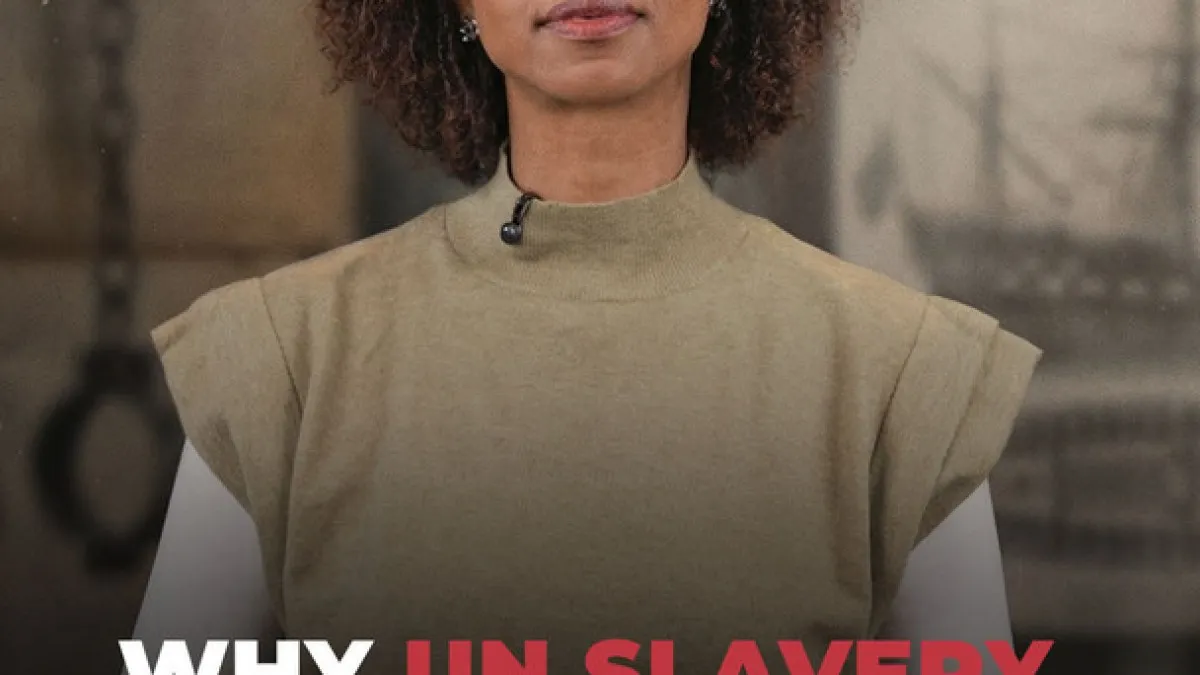
Al JazeeraFIG 01
Reading time
1min
Word count
7words
Sources cited
1cited
Entities identified
6entities
Quality score
100%
§ 01
Briefing Summary
AI-generatedNEWSAR · AI
In March 2026, the United Nations passed a resolution declaring slavery the gravest crime against humanity. The resolution aimed to address historical injustices related to slavery. However, Argentina, Israel, and the United States voted against the resolution, while many other countries abstained. The Al Jazeera report questions the significance of the resolution given the opposition from countries that historically benefited from slavery. The report by Marthe van der Wolf explores why these nations, despite having built wealth on slavery, are unwilling to support a path towards justice and reparations. The article implies the resolution alone may not be sufficient to achieve meaningful change.
Confidence 0.70Sources 1Claims 4Entities 6
§ 02
Article analysis
Model · rule-basedFraming
Social Justice
Diplomatic
Tone
Mixed Tone
AI-assessed
CalmNeutralAlarmist
Factuality
0.60 / 1.00
Mixed
LowHigh
Sources cited
1
Limited
FewMany
§ 03
Key claims
4 extracted01
Many countries abstained from voting on the UN slavery resolution.
factualArticle
Confidence
1.00
02
Argentina, Israel, and the United States voted against the UN slavery resolution.
factualArticle
Confidence
1.00
03
A United Nations resolution declared slavery the gravest crime against humanity.
factualArticle
Confidence
1.00
04
The article questions why countries that built their wealth on slavery won't agree to a path for justice.
factualArticle
Confidence
0.90
§ 04
Full report
1 min read · 7 words§ 05
Entities
6 identifiedKey playerOppositionContextPositiveNeutralNegative
§ 06
Keywords & salience
6 termsslavery
1.00
un resolution
0.80
crime against humanity
0.70
justice
0.60
united nations
0.50
wealth
0.40
§ 07
Topic connections
Interactive graph Network visualization showing 51 related topics
View Full Graph Person Organization Location Event|Click node to navigate|Edge numbers = shared articles