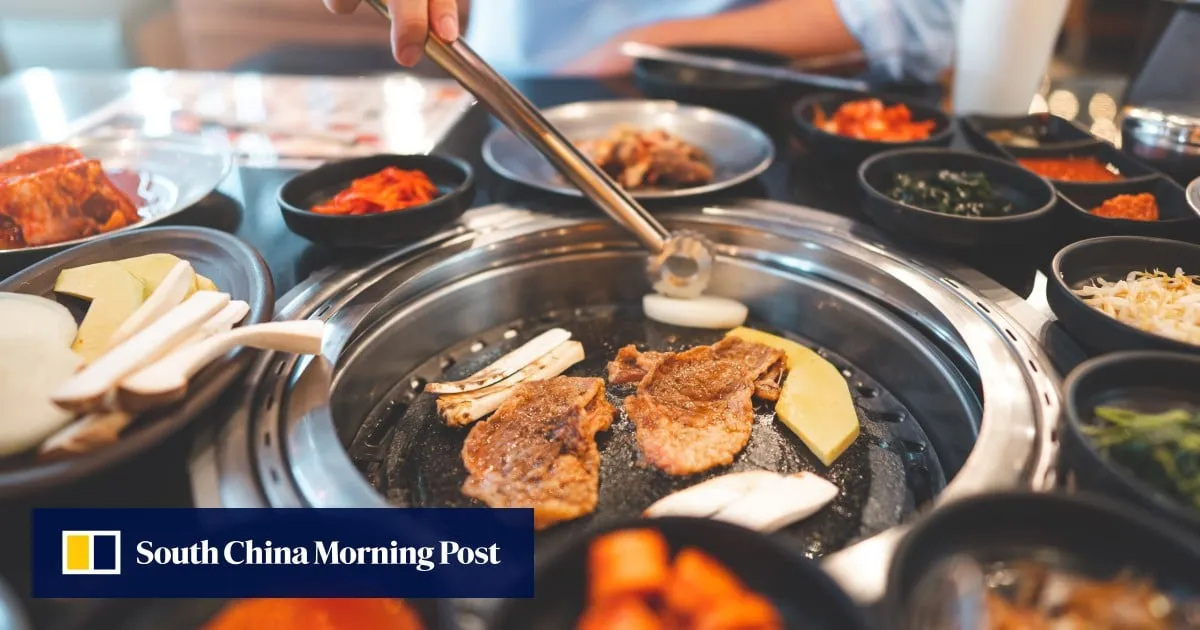
Kim Bong-hwan, who runs a barbecue restaurant in Myeong-dong in central Seoul, is feeling the brunt of rising costs, with wholesale beef prices climbing from about 28,000 won (US$18) per kilogram to more than 40,000 won in recent weeks.“Everything’s going up – beef, pork, eggs, vegetables and even disposable materials like plastic bags and containers,” he said. “Prices have risen 20 to 30 per cent in just a few weeks.”Kim, who has operated the restaurant for more than 15 years, said raising menu prices was a last resort as he feared losing customers.“For now, I’m absorbing the hit to my margins,” he said. “But I’m worried this is only the beginning and the worst is yet to come.”Like Kim, many small business owners across South Korea are grappling with rising fuel, ingredient and packaging costs as higher global oil prices ripple through the economy amid tensions in the Middle East.Global oil prices have surged amid the escalating conflict. As a major energy importer, South Korea is particularly vulnerable to higher prices, which are pushing up costs across industries, including fertilisers, animal feed, farm fuel and transport.
SRCSouth China Morning Post
LANGEN
LEANCenter-Right
WORDS186
ENT5
WED · 2026-04-01 · 06:44 GMTBRIEF NSR-2026-0401-46567
NSR-2026-0401-46567News Report·EN·Economic Impact
South Korean restaurants struggle to survive as global oil prices eat into profits
South Korean restaurants, particularly small businesses, are struggling due to rising costs driven by increased global oil prices. Restaurant owners like Kim Bong-hwan in Seoul are facing significantly higher wholesale prices for essential ingredients such as beef, pork, eggs, and vegetables, as well as disposable materials.
The Korea TimesSouth China Morning PostFiled 2026-04-01 · 06:44 GMTLean · Center-RightRead · 1 min
South China Morning PostFIG 01
Reading time
1min
Word count
186words
Sources cited
1cited
Entities identified
5entities
Quality score
100%
§ 01
Briefing Summary
AI-generatedNEWSAR · AI
South Korean restaurants, particularly small businesses, are struggling due to rising costs driven by increased global oil prices. Restaurant owners like Kim Bong-hwan in Seoul are facing significantly higher wholesale prices for essential ingredients such as beef, pork, eggs, and vegetables, as well as disposable materials. These price increases, ranging from 20-30% in recent weeks, are squeezing profit margins. While some owners are hesitant to raise menu prices for fear of losing customers, they are concerned about the long-term impact of sustained high costs. South Korea, as a major energy importer, is especially vulnerable to the ripple effects of global oil price surges, impacting various industries beyond restaurants.
Confidence 0.90Sources 1Claims 5Entities 5
§ 02
Article analysis
Model · rule-basedFraming
Economic Impact
Human Interest
Tone
Measured
AI-assessed
CalmNeutralAlarmist
Factuality
0.80 / 1.00
Factual
LowHigh
Sources cited
1
Limited
FewMany
§ 03
Key claims
5 extracted01
Global oil prices have surged amid the escalating conflict.
factual
Confidence
0.95
02
Everything’s going up – beef, pork, eggs, vegetables and even disposable materials like plastic bags and containers.
quoteKim Bong-hwan
Confidence
0.90
03
Wholesale beef prices have climbed from about 28,000 won (US$18) per kilogram to more than 40,000 won in recent weeks.
factualKim Bong-hwan
Confidence
0.90
04
South Korea is particularly vulnerable to higher prices, which are pushing up costs across industries.
factual
Confidence
0.85
05
Prices have risen 20 to 30 per cent in just a few weeks.
statisticKim Bong-hwan
Confidence
0.80
§ 04
Full report
1 min read · 186 words§ 05
Entities
5 identifiedKey playerOppositionContextPositiveNeutralNegative
§ 06
Keywords & salience
9 termsrising costs
0.90
south korean restaurants
0.80
global oil prices
0.80
small business owners
0.70
profit margins
0.60
wholesale prices
0.60
energy importer
0.50
ingredient costs
0.50
economic impact
0.50
§ 07
Topic connections
Interactive graph Network visualization showing 51 related topics
View Full Graph Person Organization Location Event|Click node to navigate|Edge numbers = shared articles