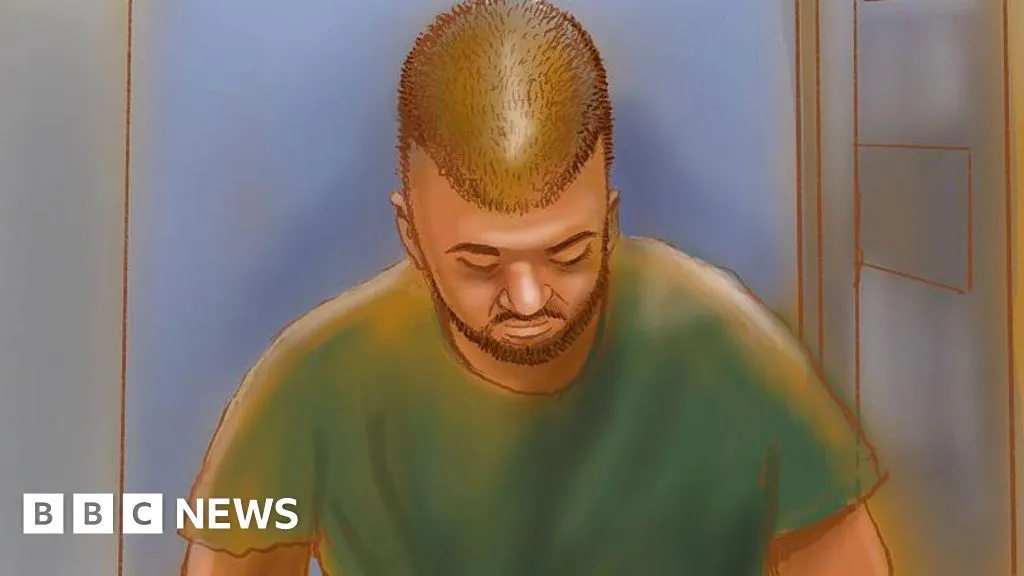
11 hours agoLana LamSydneyRocco Fazzari/Getty ImagesA sketch shows alleged Bondi gunman Naveed Akram at a court hearing last monthThe alleged Bondi gunman has lost his court bid to suppress the names and addresses of his mother, brother and sister due to fears over their safety.Lawyers for Naveed Akram - who is facing 59 charges over December's attack on a Jewish festival on Bondi-beach" class="entity-link entity-location" data-entity-id="1613" data-entity-type="location">Bondi Beach that killed 15 people - argued that his family could be targeted by vigilantes and had already experienced abuse.Last month, details of Akram's family were suppressed under an interim order but on Thursday, a Sydney court lifted it after several media outlets opposed the move.The case had attracted "unprecedented" attention in Australia and globally, the judge ruled, and information about the family was already widely available online."This case has unprecedented public interest, outrage, anger and grief," Judge Hugh Donnelly told the court.He said the request for a suppression order lasting 40 years did not meet the exceptional circumstances threshold and would have limited impact as it would only apply in Australia and not social media platforms or international media outlets.The judge said the case was "exceptional by virtue of the sheer magnitude and intensity of the commentary" on overseas platforms, according to the Australian Broadcasting Corporation (ABC).Donnelly said it was "unfortunate" that Akram's driver's licence had already been posted online but that his lawyers had not properly explained how an order could be enforced. He also said he was not critical of an interview that Akram's mother gave to a local outlet but that suppressing her identity would do little, the ABC reported.On the names and workplaces of Akram's siblings, the court said they were unlikely to be part of any court proceedings as they had "little relevance to the case". Akram, 24, appeared in court via video link from the high security prison where he is being held.During a hearing last month, the court heard that people had driven past Akram's family home, shouting abuse and death threats.Family members also reported receiving threatening texts and phone calls."We live in constant fear someone will harm us or set our house on fire. I fear for my life and the lives of my children," Akram's mother wrote in a statement. Lawyers for the media organisations who opposed the suppression order argued that the details of his family were already widely known and there was no evidence of an imminent risk to them, according to the Guardian Australia.
SRCBBC News - World
LANGEN
LEANCenter
WORDS410
ENT7
THU · 2026-04-02 · 01:08 GMTBRIEF NSR-2026-0402-49176
NSR-2026-0402-49176News Report·EN·Legal & Judicial
Alleged Bondi gunman loses court bid to suppress names of his family
Naveed Akram, the alleged gunman in the Bondi Beach attack that killed 15 people in December, lost his court bid to suppress the names and addresses of his mother, brother, and sister. Akram's lawyers argued the family faced threats and abuse, seeking a 40-year suppression order.
BBC News - WorldFiled 2026-04-02 · 01:08 GMTLean · CenterRead · 2 min
BBC News - WorldFIG 01
Reading time
2min
Word count
410words
Sources cited
4cited
Entities identified
7entities
Quality score
75%
§ 01
Briefing Summary
AI-generatedNEWSAR · AI
Naveed Akram, the alleged gunman in the Bondi Beach attack that killed 15 people in December, lost his court bid to suppress the names and addresses of his mother, brother, and sister. Akram's lawyers argued the family faced threats and abuse, seeking a 40-year suppression order. A Sydney court lifted the interim order, citing "unprecedented" public interest and the widespread availability of family information online. The judge stated the suppression order would have limited impact, particularly on international media and social media. The court also noted the siblings' lack of relevance to the case and the difficulty in enforcing the order, given existing online exposure.
Confidence 0.90Sources 4Claims 5Entities 7
§ 02
Article analysis
Model · rule-basedFraming
Legal & Judicial
Human Interest
Tone
Measured
AI-assessed
CalmNeutralAlarmist
Factuality
0.80 / 1.00
Factual
LowHigh
Sources cited
4
Well sourced
FewMany
§ 03
Key claims
5 extracted01
Lawyers for the media organisations argued there was no evidence of an imminent risk to Akram's family.
factualLawyers for the media organisations
Confidence
1.00
02
People had driven past Akram's family home, shouting abuse and death threats.
factualnull
Confidence
1.00
03
The case had attracted "unprecedented" attention in Australia and globally.
quoteJudge Hugh Donnelly
Confidence
1.00
04
Akram is facing 59 charges over December's attack on a Jewish festival on Bondi Beach that killed 15 people.
factualnull
Confidence
1.00
05
Naveed Akram lost his court bid to suppress the names and addresses of his mother, brother and sister.
factualnull
Confidence
1.00
§ 04
Full report
2 min read · 410 words§ 05
Entities
7 identifiedKey playerOppositionContextPositiveNeutralNegative
Organizations1