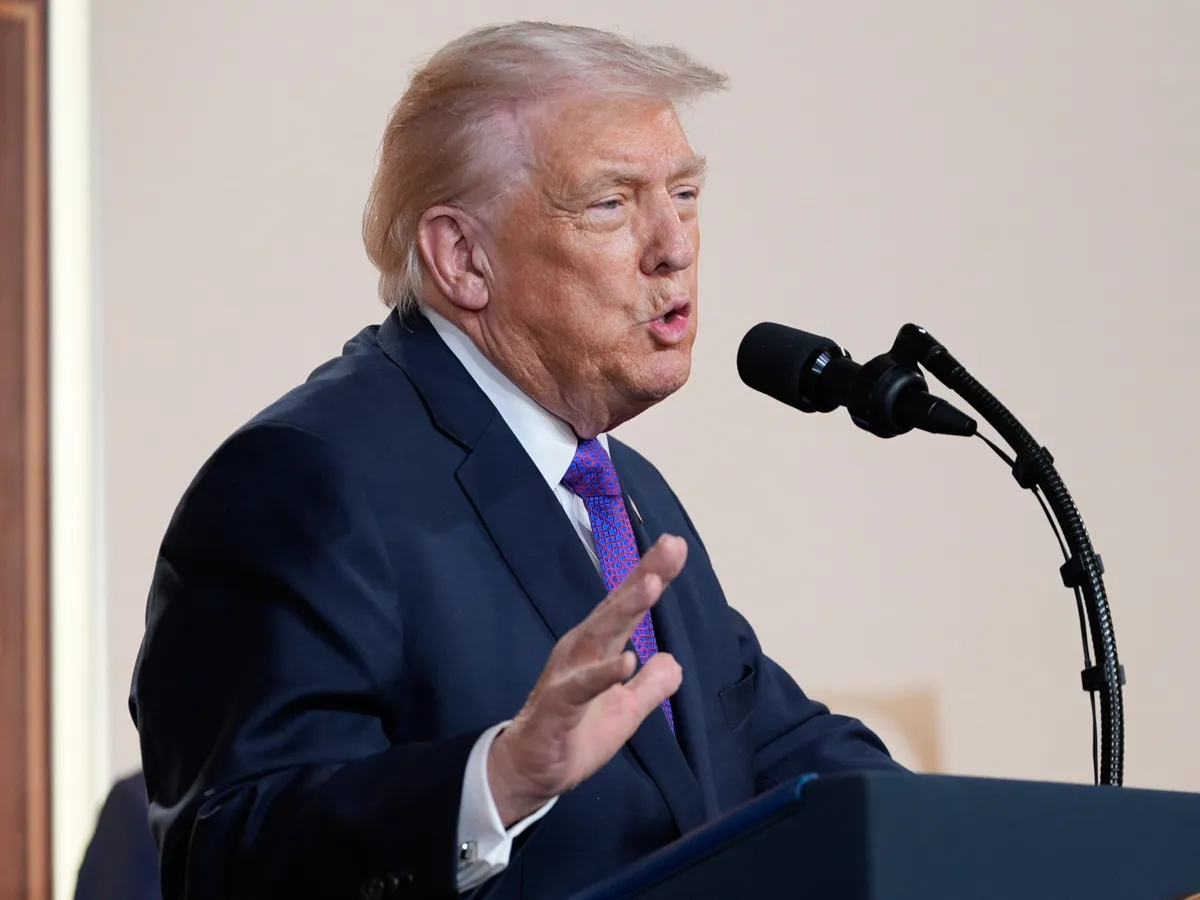
US president has said that he will use tariffs to bring down costly pharmaceutical drugs, but the impact remains uncertain.United States President Donald Trump has signed an executive order that could slap long-threatened tariffs of up to 100 percent on some patented drugs if pharmaceutical companies don’t reach deals with his administration in the coming months.Under Thursday’s executive order, companies that have signed a “most favoured nation” pricing deal and are actively building facilities in the US will have a zero-percent tariff.Recommended Stories list of 3 itemslist 1 of 3‘TrumpRx’ website launches in US with promise to lower price of medicinelist 2 of 3Why are biologic drugs expensive? Will Trump’s plans make them cheaper?list 3 of 3Trump announces new deal with pharma companies to cut drug pricesend of listFor those that don’t have a pricing deal but are building such projects in the US, a 20 percent tariff will apply, but it will increase to 100 percent in four years.A senior administration official told reporters on a press call that companies still have months to negotiate before the 100 percent tariffs kick in. Bigger companies will have 120 days, and 180 days are offered for everyone else.The official, speaking on condition of anonymity to preview the executive order before it was issued, did not identify any companies or drugs that were in jeopardy of getting hit with the increased tariffs.But the source noted the administration had already reached 17 pricing deals with major drugmakers, 13 of which have signed.In Thursday’s executive order, Trump wrote that he deemed the tariffs necessary “to address the threatened impairment of the national security posed by imports of pharmaceuticals and pharmaceutical ingredients”.The order arrived on the first anniversary of Trump’s so-called Liberation Day, when the president unveiled sweeping new import taxes on nearly every country in the world, sending the stock market reeling. Those “Liberation Day” tariffs were among the duties the Supreme Court overturned in February.Critics, pharmaceutical leaders and medical groups warned of the consequences the new tariffs could bring.
SRCAl Jazeera
LANGEN
LEANCenter
WORDS336
ENT4
THU · 2026-04-02 · 23:38 GMTBRIEF NSR-2026-0403-50011
NSR-2026-0403-50011News Report·EN·Economic Impact
Trump unveils 100-percent tariff on drugs to push for pharmaceutical deals
President Trump signed an executive order threatening tariffs of up to 100% on certain patented drugs if pharmaceutical companies don't negotiate pricing deals with his administration. The order aims to lower drug costs by incentivizing companies to agree to "most favored nation" pricing and build facilities in the US.
By The Associated PressAl JazeeraFiled 2026-04-02 · 23:38 GMTLean · CenterRead · 2 min
Al JazeeraFIG 01
Reading time
2min
Word count
336words
Sources cited
1cited
Entities identified
4entities
Quality score
100%
§ 01
Briefing Summary
AI-generatedNEWSAR · AI
President Trump signed an executive order threatening tariffs of up to 100% on certain patented drugs if pharmaceutical companies don't negotiate pricing deals with his administration. The order aims to lower drug costs by incentivizing companies to agree to "most favored nation" pricing and build facilities in the US. Companies that sign deals and build facilities will face no tariffs, while those building facilities without a deal will initially face a 20% tariff, increasing to 100% in four years. The administration has already reached pricing agreements with several major drugmakers. The order, justified by Trump as necessary for national security, arrives a year after similar tariffs were overturned by the Supreme Court, and has drawn criticism from pharmaceutical leaders and medical groups.
Confidence 0.90Sources 1Claims 5Entities 4
§ 02
Article analysis
Model · rule-basedFraming
Economic Impact
Political Strategy
Tone
Measured
AI-assessed
CalmNeutralAlarmist
Factuality
0.70 / 1.00
Factual
LowHigh
Sources cited
1
Limited
FewMany
§ 03
Key claims
5 extracted01
Trump deemed the tariffs necessary 'to address the threatened impairment of the national security posed by imports of pharmaceuticals'.
quoteTrump
Confidence
1.00
02
Companies with a 'most favoured nation' pricing deal and building facilities in the US will have a zero-percent tariff.
factualArticle
Confidence
1.00
03
Trump signed an executive order that could slap tariffs of up to 100 percent on some patented drugs.
factualArticle
Confidence
1.00
04
The administration had already reached 17 pricing deals with major drugmakers, 13 of which have signed.
statisticArticle
Confidence
0.90
05
Companies have months to negotiate before the 100 percent tariffs kick in.
factualSenior administration official
Confidence
0.90
§ 04
Full report
2 min read · 336 words§ 05
Entities
4 identifiedKey playerOppositionContextPositiveNeutralNegative
Locations1
§ 06
Keywords & salience
8 termstariffs
0.90
pharmaceutical drugs
0.90
drug pricing
0.70
executive order
0.60
pharmaceutical companies
0.60
trade deals
0.50
national security
0.40
drugmakers
0.40
§ 07
Topic connections
Interactive graph Network visualization showing 51 related topics
View Full Graph Person Organization Location Event|Click node to navigate|Edge numbers = shared articles