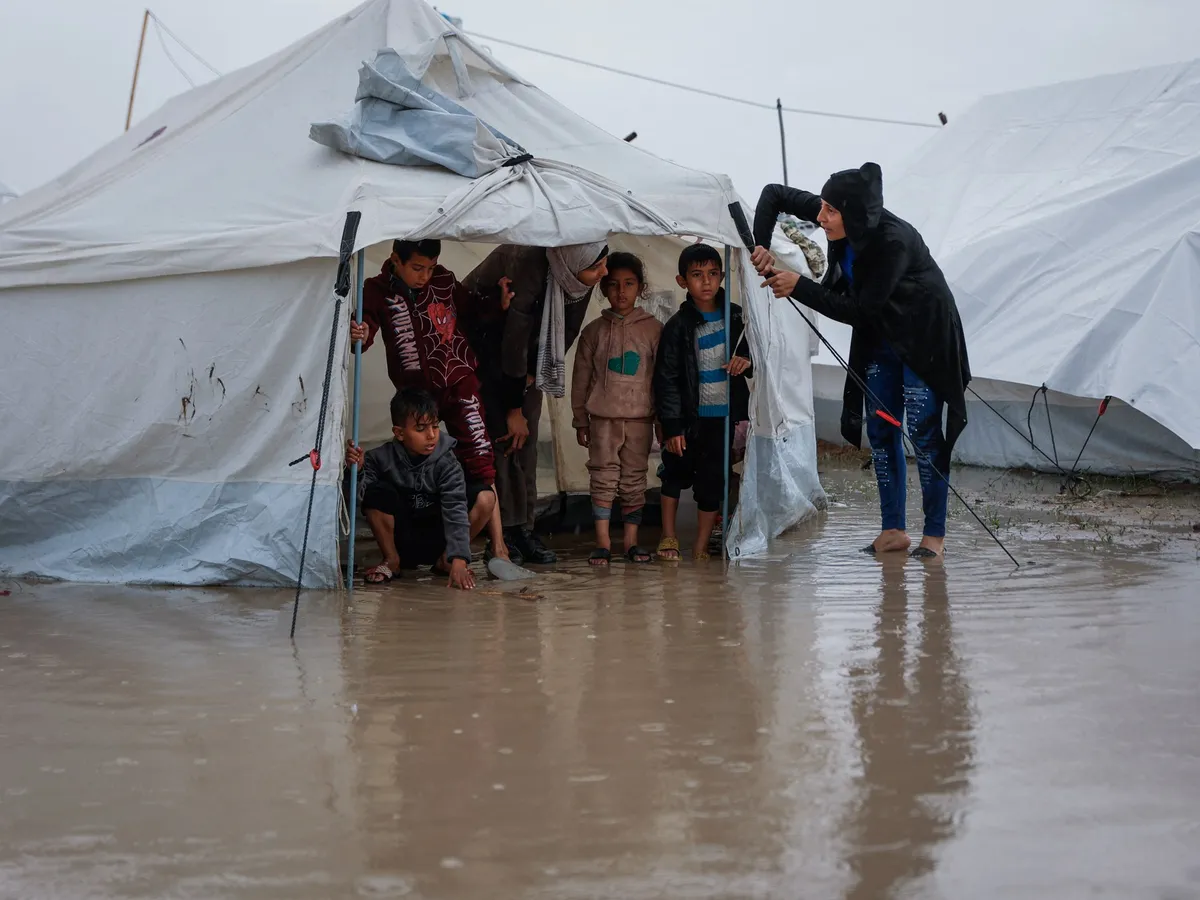
A new innovative aid model is needed to reflect the needs of Children and their communities and adapt to new realities.Chief Executive Officer (CEO) of Save the Children International.Published On 1 Jan 2026As we enter 2026, one truth is impossible to ignore: Children around the world are facing their greatest levels of need in modern history – just as the humanitarian system meant to protect them and their futures is battling some of its biggest challenges in decades.The events of 2025 marked a dramatic rupture in global humanitarian and development efforts. When the United States abruptly halted foreign aid in January, billions of dollars vanished overnight. Critical programmes were suspended, offices closed, and millions suddenly lost access to food, healthcare, education, and protection. Overnight, lifelines that communities had depended on for decades were thrown into jeopardy – and Children, as always, paid the highest price.For international NGOs, the shock was immediate and severe. At Save the Children, we were forced to take some of the toughest decisions in our 106-year history. We had to close country offices, cut thousands of staff positions, and wind down life-saving operations. We estimated that about 11.5 million people – including 6.7 million Children – would feel the immediate impacts of these cuts, while many more would be impacted in the longer term.The aid cuts came at a time when Children globally were already facing major challenges, from conflict to displacement, to climate change, with decades of progress at risk of being reversed.The facts are startling. In 2025, one in every five Children was living in an active conflict zone where Children are being killed, maimed, sexually assaulted and abducted in record numbers. About 50 million Children globally are displaced from their homes. Nearly half the world’s Children – about 1.12 billion – cannot afford a balanced diet, and some 272 million were out of school.
SRCAl Jazeera
LANGEN
LEANCenter
WORDS311
ENT4
THU · 2026-01-01 · 08:21 GMTBRIEF NSR-2026-0101-5129
NSR-2026-0101-5129Opinion·EN·Human Interest
The world is still failing its children. We can change that in 2026
In 2026, the CEO of Save the Children International reports a global crisis for children due to unprecedented levels of need and challenges within the humanitarian system. A major catalyst was the United States' abrupt halt to foreign aid in January 2025, resulting in billions of dollars lost and the suspension of critical programs.
Inger AshingAl JazeeraFiled 2026-01-01 · 08:21 GMTLean · CenterRead · 2 min
Al JazeeraFIG 01
Reading time
2min
Word count
311words
Sources cited
1cited
Entities identified
4entities
Quality score
100%
§ 01
Briefing Summary
AI-generatedNEWSAR · AI
In 2026, the CEO of Save the Children International reports a global crisis for children due to unprecedented levels of need and challenges within the humanitarian system. A major catalyst was the United States' abrupt halt to foreign aid in January 2025, resulting in billions of dollars lost and the suspension of critical programs. Save the Children was forced to close offices and cut staff, impacting an estimated 11.5 million people, including 6.7 million children. These cuts occurred amidst existing challenges like conflict, displacement, and climate change, with alarming statistics showing millions of children living in conflict zones, displaced from their homes, lacking adequate nutrition, and out of school. The article emphasizes the urgent need for a new aid model to address these realities.
Confidence 0.90Sources 1Claims 5Entities 4
§ 02
Article analysis
Model · rule-basedFraming
Human Interest
Economic Impact
Tone
Mixed Tone
AI-assessed
CalmNeutralAlarmist
Factuality
0.60 / 1.00
Mixed
LowHigh
Sources cited
1
Limited
FewMany
§ 03
Key claims
5 extracted01
Save the Children had to close country offices, cut thousands of staff positions, and wind down life-saving operations.
factualSave the Children
Confidence
1.00
02
The United States abruptly halted foreign aid in January 2025, billions of dollars vanished overnight.
factual
Confidence
1.00
03
Nearly half the world’s children – about 1.12 billion – cannot afford a balanced diet.
statistic
Confidence
0.90
04
About 50 million children globally are displaced from their homes.
statistic
Confidence
0.90
05
Children around the world are facing their greatest levels of need in modern history.
factualCEO of Save the Children International
Confidence
0.80
§ 04
Full report
2 min read · 311 words§ 05
Entities
4 identifiedKey playerOppositionContextPositiveNeutralNegative
Organizations1
Locations1
§ 06
Keywords & salience
10 termschildren
1.00
humanitarian aid
0.90
foreign aid cuts
0.80
save the children
0.70
conflict zones
0.60
child displacement
0.60
food insecurity
0.50
global challenges
0.50
healthcare access
0.40
education access
0.40
§ 07
Topic connections
Interactive graph Network visualization showing 51 related topics
View Full Graph Person Organization Location Event|Click node to navigate|Edge numbers = shared articles