Beijing should shift its strategy and improve ways to attract and retain top Chinese AI professionals as America’s accelerating integration of artificial intelligence into military and national security systems puts such talent in a bind.As geopolitical tensions rise, many highly skilled Chinese researchers working at US tech and research institutions are confronting a painful dilemma, according to Dai Mingjie, a researcher at the Institute of Public Policy at the Guangzhou-based China-university-of-technology" class="entity-link entity-organization" data-entity-id="37969" data-entity-type="organization">South China University of Technology.Tighter security reviews, possible isolation from sensitive projects and identity conflicts were forcing them to “choose a side”, Dai said in an article published on the institute’s social media account on Monday.“Faced with this situation, China should build regionally embedded talent ecosystems that allow top talent to truly integrate into the domestic innovation system, take root and grow within industry-academia-research collaboration,” Dai wrote.Such a strategy would “help the country transition from a major trainer of AI talent to a genuine development highland for talent”, she added.China’s strength in training large numbers of AI talent has not been matched by an equally robust development scene.
SRCSouth China Morning Post
LANGEN
LEANCenter-Right
WORDS178
ENT7
SUN · 2026-04-05 · 04:00 GMTBRIEF NSR-2026-0405-52888
NSR-2026-0405-52888News Report·EN·National Security
How can Beijing attract top-tier Chinese AI professionals based abroad?
A Chinese researcher suggests Beijing needs a new strategy to attract and retain top-tier Chinese AI professionals currently working abroad, particularly in the US. Rising geopolitical tensions and stricter security measures in the US are creating a dilemma for these professionals, potentially forcing them to choose between countries.
Jane Cai,Alcott WeiSouth China Morning PostFiled 2026-04-05 · 04:00 GMTLean · Center-RightRead · 1 min
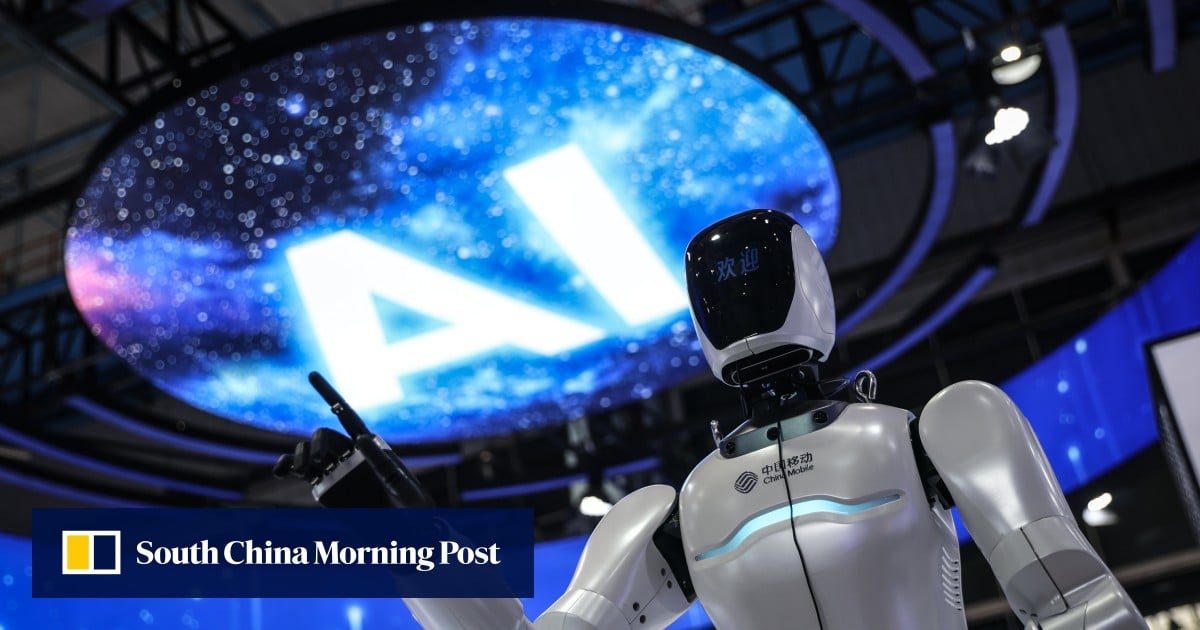
South China Morning PostFIG 01
Reading time
1min
Word count
178words
Sources cited
1cited
Entities identified
7entities
Quality score
100%
§ 01
Briefing Summary
AI-generatedNEWSAR · AI
A Chinese researcher suggests Beijing needs a new strategy to attract and retain top-tier Chinese AI professionals currently working abroad, particularly in the US. Rising geopolitical tensions and stricter security measures in the US are creating a dilemma for these professionals, potentially forcing them to choose between countries. The researcher argues that China should focus on building robust, regionally embedded talent ecosystems that foster collaboration between industry, academia, and research. This approach aims to transform China from a major trainer of AI talent into a leading hub for AI development and innovation. The article was published on the social media account of the Institute of Public Policy at the South China University of Technology on Monday.
Confidence 0.90Sources 1Claims 5Entities 7
§ 02
Article analysis
Model · rule-basedFraming
National Security
Political Strategy
Tone
Measured
AI-assessed
CalmNeutralAlarmist
Factuality
0.60 / 1.00
Mixed
LowHigh
Sources cited
1
Limited
FewMany
§ 03
Key claims
5 extracted01
Many highly skilled Chinese researchers working at US tech and research institutions are confronting a painful dilemma.
quoteDai Mingjie
Confidence
0.90
02
Tighter security reviews, possible isolation from sensitive projects and identity conflicts were forcing them to “choose a side”.
quoteDai Mingjie
Confidence
0.80
03
America’s accelerating integration of artificial intelligence into military and national security systems puts such talent in a bind.
factualArticle's own claim
Confidence
0.80
04
China’s strength in training large numbers of AI talent has not been matched by an equally robust development scene.
factualArticle's own claim
Confidence
0.70
05
China should build regionally embedded talent ecosystems that allow top talent to truly integrate into the domestic innovation system.
predictionDai Mingjie
Confidence
0.70
§ 04
Full report
1 min read · 178 words§ 05
Entities
7 identifiedKey playerOppositionContextPositiveNeutralNegative
People1
Organizations2
§ 06
Keywords & salience
8 termsai professionals
1.00
artificial intelligence
0.90
talent retention
0.80
china
0.70
geopolitical tensions
0.60
united states
0.60
innovation system
0.50
security reviews
0.40
§ 07
Topic connections
Interactive graph Network visualization showing 51 related topics
View Full Graph Person Organization Location Event|Click node to navigate|Edge numbers = shared articles