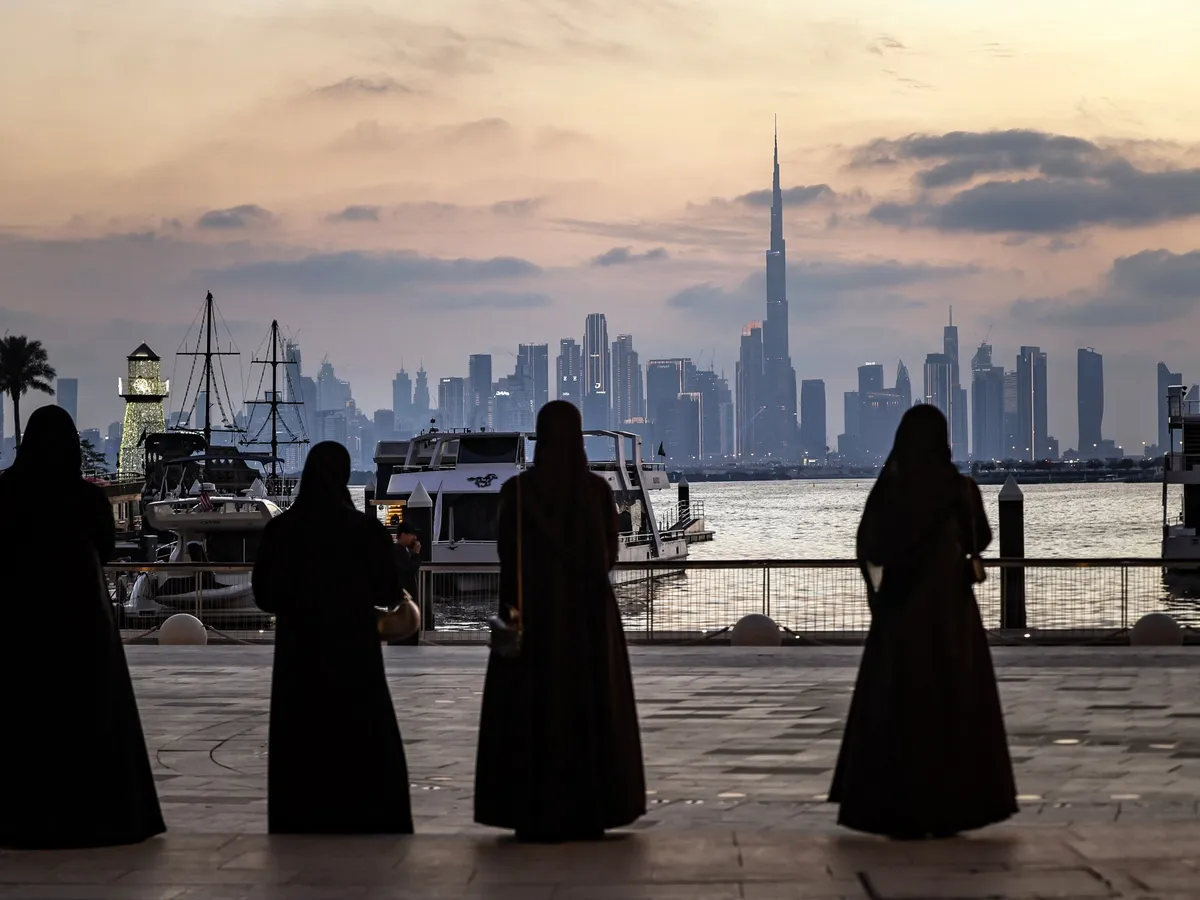
Experts say Gulf states wary US could agree to deal giving Iran leverage over strategic energy waterway.The Gulf region breathed a collective sigh of relief late on Tuesday after Iran and the United States agreed on a two-week truce, pausing more than a month of increasingly violent attacks and inflammatory rhetoric.Hours earlier, US President Donald Trump threatened to wipe out an “entire civilisation” and Tehran warned of further attacks across the Gulf and beyond.Recommended Stories list of 3 itemslist 1 of 3Why JD Vance joined Pakistan’s last-ditch US-Iran mediation effortslist 2 of 3‘No end in sight’ if Trump acts on threat to destroy Iran infrastructurelist 3 of 3Iran warns region and beyond as tension builds ahead of US ultimatumend of listBut 90 minutes before the end of the deadline that Trump had imposed for Iran to fully reopen the Strait of Hormuz or “be sent back to the stone ages“, the US president said it had agreed to halt attacks for two weeks. That was on condition of maritime transit resuming in the vital waterway, where 20 per cent of the world’s oil and natural liquefied gas normally is shipped. Iran brought traffic through the chokepoint to a near standstill in response to joint US-Israeli attacks since February 28.In a separate message, Trump described a 10-point plan put forward by Iran as “a workable basis on which to negotiate”. According to Iranian state media, one of Iran’s points is for Tehran to continue controlling the Strait of Hormuz. Iranian Foreign Minister Abbas Araghchi said passage over the two weeks will only be possible “in coordination” with the Iranian military.While negotiations are set to kick off in Pakistan’s capital, Islamabad, at the weekend, experts say Gulf nations remain wary that the US, desperate for an exit, could agree to terms that grant Iran some control over the Strait of Hormuz.“There is a quiet but palpable concern that President Trump, eager for a quick political victory, could tolerate some Iranian leverage over the strait in exchange for a fragile truce, prioritising optics over Gulf realities,” said Hesham Alghannam, a Saudi Arabia-based scholar at the Malcolm H Kerr Carnegie Middle East Center.In a flurry of statements, the six Gulf Cooperation Council (GCC) countries sounded the alarm after facing almost daily Iranian missile and drone attacks. With varying wording, they all welcomed the ceasefire but stressed that the Strait of Hormuz must reopen and any deal must result in a permanent, long-term arrangement.
SRCAl Jazeera
LANGEN
LEANCenter
WORDS409
ENT12
THU · 2026-04-09 · 05:58 GMTBRIEF NSR-2026-0409-59878
NSR-2026-0409-59878News Report·EN·National Security
For Gulf states, Hormuz uncertainty casts shadow over US-Iran ceasefire
Following heightened tensions and threats, the US and Iran agreed to a two-week truce, contingent on the reopening of the Strait of Hormuz, a vital waterway for global oil and gas shipments. Negotiations are scheduled to begin in Islamabad, Pakistan.
Virginia PietromarchiAl JazeeraFiled 2026-04-09 · 05:58 GMTLean · CenterRead · 2 min
Al JazeeraFIG 01
Reading time
2min
Word count
409words
Sources cited
2cited
Entities identified
12entities
Quality score
100%
§ 01
Briefing Summary
AI-generatedNEWSAR · AI
Following heightened tensions and threats, the US and Iran agreed to a two-week truce, contingent on the reopening of the Strait of Hormuz, a vital waterway for global oil and gas shipments. Negotiations are scheduled to begin in Islamabad, Pakistan. However, Gulf states are apprehensive that the US, seeking a swift resolution, might concede some control of the Strait of Hormuz to Iran in exchange for a temporary ceasefire. This concern stems from Iran's demand to maintain control over the Strait and coordinate maritime passage with its military. The Gulf Cooperation Council (GCC) countries have expressed cautious optimism, emphasizing the need for a permanent and lasting solution that ensures the Strait's free passage.
Confidence 0.90Sources 2Claims 5Entities 12
§ 02
Article analysis
Model · rule-basedFraming
National Security
Political Strategy
Tone
Measured
AI-assessed
CalmNeutralAlarmist
Factuality
0.70 / 1.00
Factual
LowHigh
Sources cited
2
Limited
FewMany
§ 03
Key claims
5 extracted01
Passage over the two weeks will only be possible “in coordination” with the Iranian military.
quoteIranian Foreign Minister Abbas Araghchi
Confidence
1.00
02
20 per cent of the world’s oil and natural liquefied gas normally is shipped through the Strait of Hormuz.
statistic
Confidence
1.00
03
Trump threatened to wipe out an “entire civilisation”.
quoteUS President Donald Trump
Confidence
1.00
04
Iran and the United States agreed on a two-week truce.
factual
Confidence
1.00
05
Gulf nations remain wary that the US could agree to terms that grant Iran some control over the Strait of Hormuz.
prediction
Confidence
0.70
§ 04
Full report
2 min read · 409 words§ 05
Entities
12 identifiedKey playerOppositionContextPositiveNeutralNegative
People3
Organizations2
§ 06
Keywords & salience
9 termsstrait of hormuz
1.00
us-iran ceasefire
0.90
gulf states
0.80
iranian leverage
0.70
maritime transit
0.60
negotiations
0.50
oil and gas
0.50
trump
0.40
attacks
0.40
§ 07
Topic connections
Interactive graph Network visualization showing 51 related topics
View Full Graph Person Organization Location Event|Click node to navigate|Edge numbers = shared articles