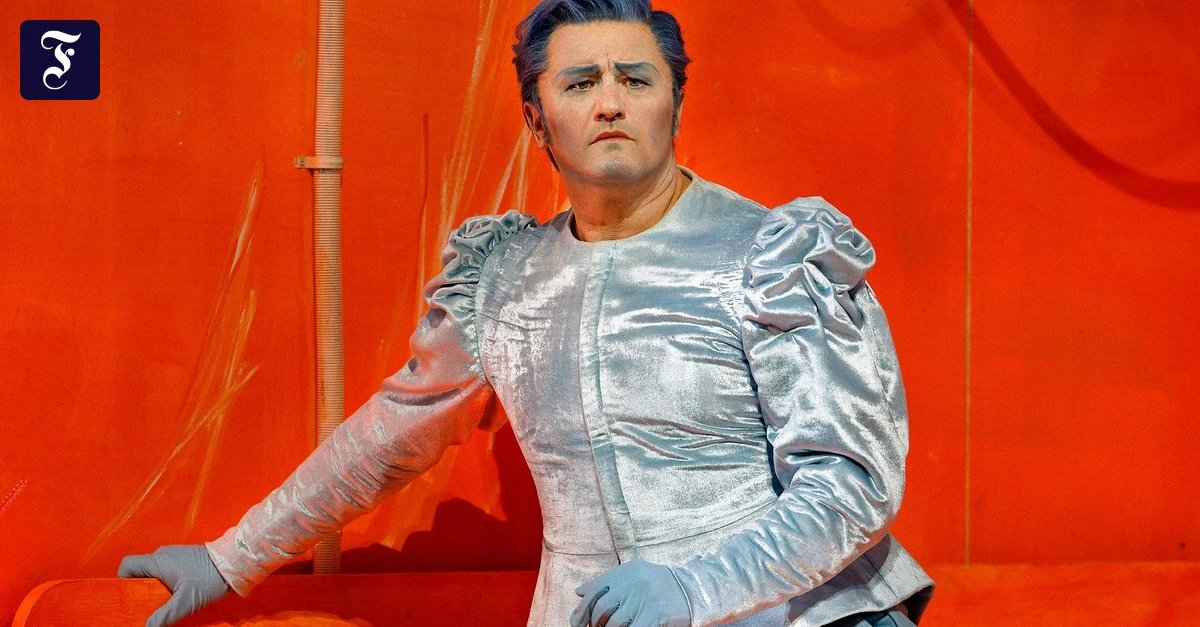
Unendlich viel ist in den „Gral“ hineingeheimnisst worden. Im Parzival ist er zunächst einfach ein „dinc“. Dann aber auch ein Edelstein, der den Rittern ständig neue Jugendfrische verleiht.In Richard Wagners Oper „Lohengrin“ ist die „Gralserzählung“ der finale Höhepunkt, wenngleich die Schlusspointe absehbar ist. Alle Zuschauer wissen schließlich, dass der geheimnisvolle Ritter, der in seinem von einem Schwan gezogenen Kahn wie aus dem Nichts aufgetaucht war und seinen Namen nicht verraten wollte, Lohengrin heißt – selbst diejenigen, die einzig den Titel des Musikdramas gelesen haben. Interessanter ist da schon, was der überirdisch edle Schwanenritter über den Tempel in der Burg Monsalvat berichtet, und „ein Gefäß von wundertät’gem Segen“, das „dort als höchstes Heiligtum bewacht“ werde.Jeder erfahrene Sänger wird sich seine Kräfte für die Erzählung einteilen und zunächst mit leiser tränenerstickter Stimme beginnen, um dann nach mehr als drei Stunden Nettospielzeit den zentralen Vers zu diesem Gefäß noch ordentlich herauszuschmettern: „Es heißt der Gral.“ Echten Wagnerianern mögen beim Spitzenton a' im Forte auf dem Wort „Gral“ heilige Schauer über den Rücken laufen. Denn in seiner Jahrzehnte später komponierten letzten Oper aus dem Stoffkreis der Artussage und der Gralsritter hat Wagner den Gral erst richtig überhöht: Sein Bühnenweihfestspiel „Parsifal“ ist getragen von einer quasireligiösen Musik und Atmosphäre rund um den Gral und seine Hüter.Bei Wolfram von Eschenbach, dessen mittelhochdeutscher Versroman „Parzival“ Wagner als wichtige Vorlage diente, ist der Gral indes zunächst einfach „ein dinc“. Dann aber auch ein (Edel-)Stein, der den Rittern Nahrung herbeizaubert und ständig neue Jugendfrische verleiht. „Longevity“ bei den alten Rittersleuten sozusagen.Unendlich viel ist in den Gral seit der Literatur des christlichen Mittelalters hineingeheimnisst worden. Es sei der Kelch, aus dem Christus beim letzten Abendmahl getrunken habe oder in dem sein Blut beim Lanzenstich am Kreuz aufgefangen worden sei. „Ein dinc“ jedenfalls mit Symbolkraft: Was wären Kunstwerke ohne sie und ohne geheimnisvolle und vieldeutige Figuren? Der Gral und seine Ritter geben da viel her – in immer neuen Lesarten bis heute.„Lohengrin“ ist im Staatstheater Mainz am 4. Oktober die erste Musiktheater-Premiere der neuen Saison.
SRCFAZ
LANGDE
LEANCenter-Right
WORDS334
ENT5
THU · 2026-04-09 · 10:51 GMTBRIEF NSR-2026-0409-60143
NSR-2026-0409-60143Analysis·DE·Human Interest
Wagners Lohengrin: Longevity bei den alten Rittern
Der Artikel thematisiert Richard Wagners Oper "Lohengrin" und die Bedeutung des Grals darin. Die Oper, die am 4.
Guido HolzeFAZFiled 2026-04-09 · 10:51 GMTLean · Center-RightRead · 2 min
FAZFIG 01
Reading time
2min
Word count
334words
Sources cited
1cited
Entities identified
5entities
Quality score
100%
§ 01
Briefing Summary
AI-generatedNEWSAR · AI
Der Artikel thematisiert Richard Wagners Oper "Lohengrin" und die Bedeutung des Grals darin. Die Oper, die am 4. Oktober im Staatstheater Mainz Premiere feiert, behandelt die Gralserzählung, in der der Gral als ein heiliges Gefäß im Tempel Monsalvat beschrieben wird. Der Artikel verweist auf Wolfram von Eschenbachs "Parzival", wo der Gral als ein "dinc" oder Edelstein dargestellt wird, der den Rittern Jugend verleiht. Seit dem Mittelalter wurde der Gral mit verschiedenen Bedeutungen belegt, darunter der Kelch des letzten Abendmahls oder das Gefäß, das Christi Blut auffing. Der Gral und seine Ritter bieten Stoff für Interpretationen in Kunstwerken.
Confidence 0.90Sources 1Claims 5Entities 5
§ 02
Article analysis
Model · rule-basedFraming
Human Interest
Tone
Measured
AI-assessed
CalmNeutralAlarmist
Factuality
0.40 / 1.00
Mixed
LowHigh
Sources cited
1
Limited
FewMany
§ 03
Key claims
5 extracted01
'Lohengrin' is the first music theater premiere of the new season at the Staatstheater Mainz on October 4th.
factualnull
Confidence
1.00
02
In Wolfram von Eschenbach's 'Parzival', the Grail is initially just 'a thing'.
factualnull
Confidence
0.90
03
In Richard Wagner's opera 'Lohengrin', the 'Gral story' is the final highlight.
factualnull
Confidence
0.90
04
Wagner's last opera 'Parsifal' is carried by a quasi-religious music and atmosphere around the Grail.
factualnull
Confidence
0.80
05
The Grail is said to be the cup from which Christ drank at the Last Supper.
factualnull
Confidence
0.70
§ 04
Full report
2 min read · 334 words§ 05
Entities
5 identifiedKey playerOppositionContextPositiveNeutralNegative
People3
Organizations1
§ 06
Keywords & salience
8 termsgral
1.00
lohengrin
1.00
wagner
0.90
gralserzählung
0.80
ritter
0.70
parsifal
0.60
musiktheater
0.50
longevity
0.40
§ 07
Topic connections
Interactive graph No topic relationship data available yet. This graph will appear once topic relationships have been computed.