A Malaysian association has come under fire after warning that wider work-from-home arrangements would hurt urban businesses, with critics accusing it of prioritising city-centre takings over the government’s effort to cut fuel use across the country and rein in soaring subsidy costs.The backlash comes days before Malaysia begins a phased work-from-home roll-out for eligible civil servants on April 15, part of a wider effort to cut fuel use and manage rising costs tied to disruptions caused by the Iran war.Prime Minister Anwar Ibrahim announced the measure on April 1, saying it was meant to reduce fuel consumption and protect the sustainability of the country’s energy supply.Federal civil servants in Kuala Lumpur, Putrajaya, Selangor and state capitals with a one-way commute exceeding 8km (5 miles) are eligible, while critical sectors such as security, defence, healthcare and education are excluded.In response, the Federation of Malaysian Business Associations (FMBA) said a blanket work-from-home policy could cost the Klang Valley – Malaysia’s main urban and commercial corridor around Kuala Lumpur – hundreds of millions of ringgit a month.“These losses are expected to be 1.9x to 2.9x higher than the projected savings of widespread [work-from-home],” it said in a statement on Wednesday.
SRCSouth China Morning Post
LANGEN
LEANCenter-Right
WORDS197
ENT8
FRI · 2026-04-10 · 07:33 GMTBRIEF NSR-2026-0410-61396
NSR-2026-0410-61396News Report·EN·Economic Impact
Malaysian business lobby says working from home will hurt city profits, faces backlash
A Malaysian business association, the FMBA, is facing criticism for claiming that the government's upcoming work-from-home initiative for civil servants will negatively impact urban businesses in the Klang Valley. The government's phased roll-out, starting April 15th, aims to reduce fuel consumption and manage rising costs due to global disruptions.
Iman Muttaqin YusofSouth China Morning PostFiled 2026-04-10 · 07:33 GMTLean · Center-RightRead · 1 min
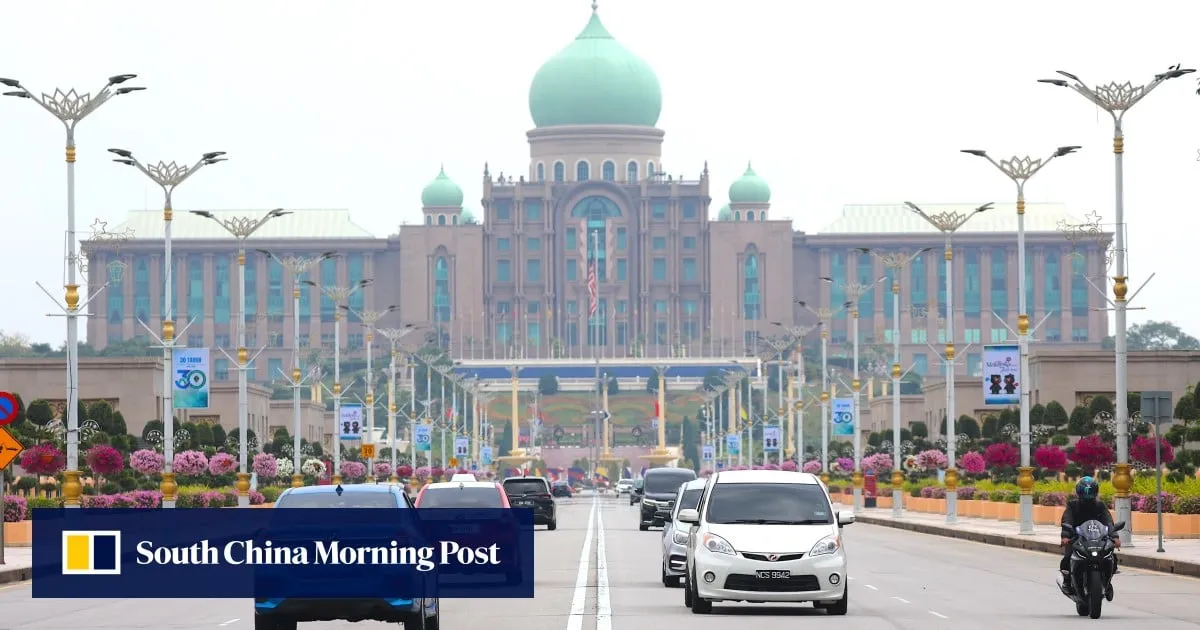
South China Morning PostFIG 01
Reading time
1min
Word count
197words
Sources cited
2cited
Entities identified
8entities
Quality score
100%
§ 01
Briefing Summary
AI-generatedNEWSAR · AI
A Malaysian business association, the FMBA, is facing criticism for claiming that the government's upcoming work-from-home initiative for civil servants will negatively impact urban businesses in the Klang Valley. The government's phased roll-out, starting April 15th, aims to reduce fuel consumption and manage rising costs due to global disruptions. Eligible civil servants in Kuala Lumpur, Putrajaya, Selangor, and state capitals with commutes exceeding 8km can participate, excluding essential sectors. The FMBA argues that the policy could cost the Klang Valley hundreds of millions of ringgit monthly, outweighing the projected savings from reduced fuel use. This stance has drawn backlash, with critics accusing the FMBA of prioritizing city-center profits over national fuel conservation efforts.
Confidence 0.90Sources 2Claims 5Entities 8
§ 02
Article analysis
Model · rule-basedFraming
Economic Impact
Political Strategy
Tone
Measured
AI-assessed
CalmNeutralAlarmist
Factuality
0.70 / 1.00
Factual
LowHigh
Sources cited
2
Limited
FewMany
§ 03
Key claims
5 extracted01
Prime Minister Anwar Ibrahim announced the measure on April 1 to reduce fuel consumption.
factualArticle
Confidence
1.00
02
Malaysia begins a phased work-from-home roll-out for eligible civil servants on April 15.
factualArticle
Confidence
1.00
03
FMBA said a blanket work-from-home policy could cost the Klang Valley hundreds of millions of ringgit a month.
quoteFederation of Malaysian Business Associations (FMBA)
Confidence
0.90
04
Wider work-from-home arrangements would hurt urban businesses.
quoteMalaysian association
Confidence
0.90
05
Losses are expected to be 1.9x to 2.9x higher than the projected savings of widespread [work-from-home].
statisticFederation of Malaysian Business Associations (FMBA)
Confidence
0.80
§ 04
Full report
1 min read · 197 words§ 05
Entities
8 identifiedKey playerOppositionContextPositiveNeutralNegative
§ 06
Keywords & salience
9 termswork from home
1.00
fuel use
0.80
subsidy costs
0.70
urban businesses
0.70
civil servants
0.60
economic impact
0.60
federation of malaysian business associations
0.50
klang valley
0.50
cost savings
0.40
§ 07
Topic connections
Interactive graph Network visualization showing 51 related topics
View Full Graph Person Organization Location Event|Click node to navigate|Edge numbers = shared articles